Protein Powder for Vegans: How to Hit Your Targets on a Plant-Based Diet
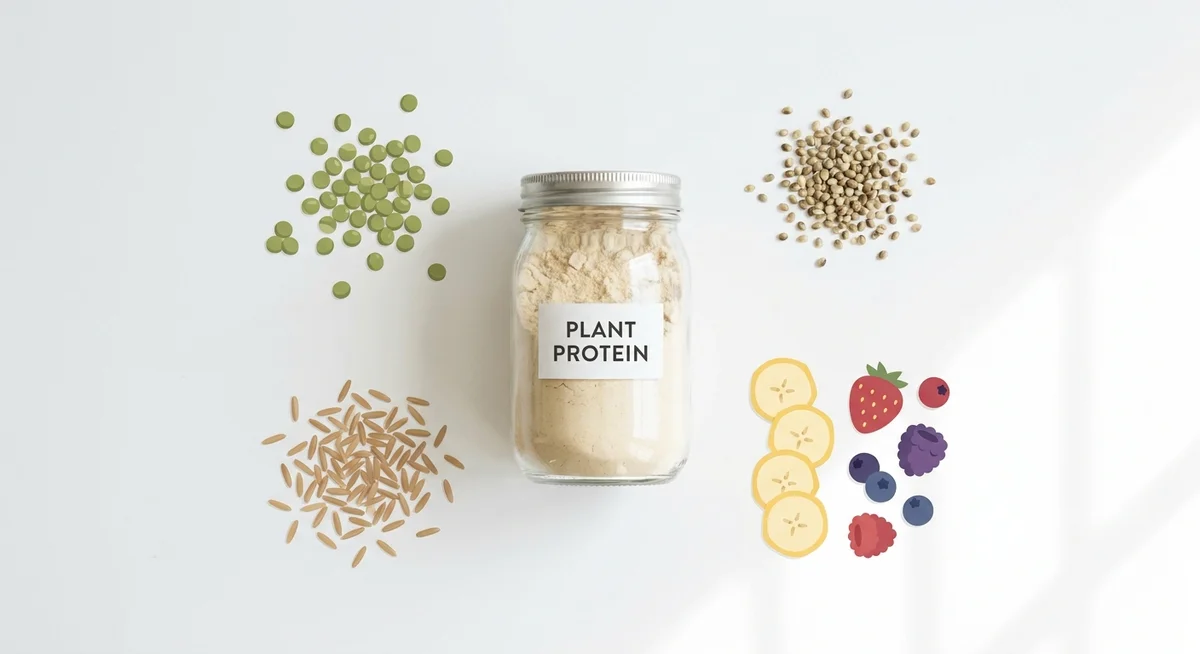
Getting enough protein on a vegan diet is entirely possible, but it does require more deliberate choices than an omnivore diet does. Whole plant foods tend to deliver protein in smaller amounts per serving, and most are not complete proteins on their own. A quality vegan protein powder closes that gap quickly, especially on training days when your requirements jump. This guide covers how much protein you actually need, what to look for in a vegan powder, and how to use it without overcomplicating your day.
Key takeaways
- Most active adults need 1.4 to 2.0 g of protein per kilogram of body weight per day.
- Vegan diets can meet this target, but often benefit from a well-chosen protein powder.
- Blended plant proteins (e.g. pea + rice) give a complete amino acid profile comparable to whey.
- Watch for added sugars, artificial sweeteners, and heavy metal contamination in cheap powders.
- A vegan protein powder works best as a complement to whole foods, not a replacement for them.
How much protein do vegans actually need?
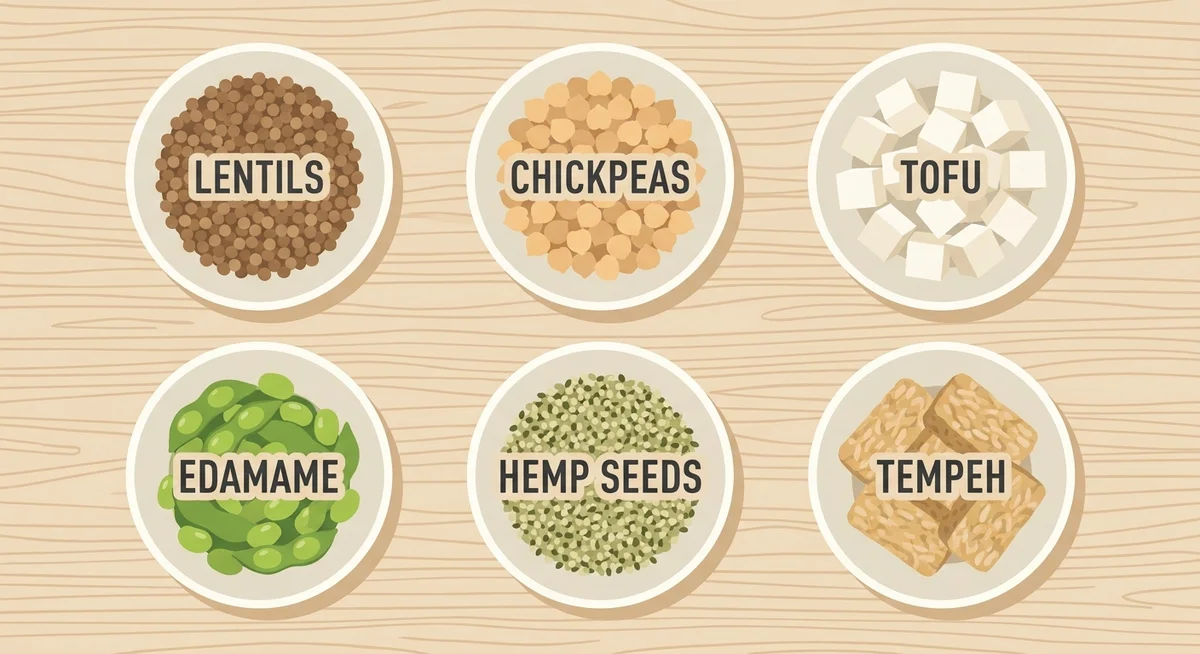
The short answer: roughly the same amount as everyone else, though some researchers recommend a modest 10 to 15 percent higher intake for vegans to account for the slightly lower digestibility of plant proteins. For a 70 kg person training four days a week, that lands somewhere between 105 g and 140 g of protein per day. Whole plant foods (legumes, tofu, tempeh, edamame, lentils) can get you a long way there, but hitting the upper end consistently takes planning. That is where a protein supplement earns its place.
For a deeper look at daily protein requirements by goal and body weight, see our guide to how much protein you need per day.
Which vegan protein powder type is best?
Not all plant proteins are equal. The key difference comes down to the amino acid profile, specifically whether the powder contains all nine essential amino acids in adequate amounts. Here is how the most common options compare:
| Protein Type | Complete Protein? | Protein per 30 g serve (approx.) | Best For | Watch Out For |
|---|---|---|---|---|
| Pea protein | Nearly (low methionine) | 22-24 g | Muscle building, general use | Earthy taste; gritty texture in some brands |
| Brown rice protein | Nearly (low lysine) | 20-22 g | Combining with pea protein | Lower lysine; can taste powdery |
| Pea + rice blend | Yes | 22-25 g | Most people; closest to whey profile | Check the ratio (70:30 pea:rice is typical) |
| Soy protein isolate | Yes | 24-27 g | High protein yield; baking | Some people prefer to limit soy intake |
| Hemp protein | Yes | 12-15 g | Whole-food feel; added omega-3s | Lower protein density; higher calorie count |
The practical winner for most vegans is a pea and rice blend. Together they cover each other's amino acid gaps, producing a complete profile that holds up well against whey in studies measuring muscle protein synthesis. For a full side-by-side breakdown of individual plant protein types, see our plant protein comparison guide.
What should you look for on the label?
Reading a protein powder label is straightforward once you know what matters and what is just decoration. Here is a quick checklist specific to vegan products:
Look for
- 20 g or more of protein per 30 g serving
- A short ingredient list you can actually read
- Third-party testing or certification (HASTA, Informed Sport, or similar)
- Natural sweeteners like stevia or monk fruit if you want low sugar
- Clear sourcing information for the protein base
Avoid
- Proprietary blends that hide individual protein amounts
- More than 5 g of added sugar per serve
- Long lists of fillers and gums with no functional purpose
- Unusually cheap powders with no third-party testing (heavy metals risk)
- Misleading serving sizes (some brands use 50 g scoops to inflate numbers)
How to fit vegan protein powder into your day
A protein shake does not need to be the centrepiece of your nutrition. Think of it as a tool you reach for when whole food alone cannot fill the gap. Practically, this looks like:
- Post-training: A shake within 60 to 90 minutes of training gives your muscles the amino acids they need to begin repair. Mix with oat milk and a banana for a complete post-workout snack.
- Breakfast on the run: Blend a scoop into a smoothie with frozen berries, spinach, and flaxseed. You clear 25 g of protein before you leave the house.
- Cooking: Unflavoured or vanilla plant protein mixes cleanly into oat porridge, pancake batter, and protein balls. Heat does not destroy protein; baking with it is perfectly valid.
- Afternoon snack: A shake between meals can prevent the protein gaps that make hitting daily targets harder than it needs to be.
If you are specifically using protein powder to manage your weight while eating plant-based, our article on protein powder in a calorie deficit covers how to keep muscle while cutting kilojoules.
Frequently asked questions
Can you build muscle on vegan protein powder alone?
Protein powder supports muscle building, but it works alongside a consistent training programme and a well-rounded diet, not instead of them. Research comparing pea protein to whey protein over 12 weeks found no significant difference in muscle gain when total protein intake was matched. The powder type matters less than hitting your daily target consistently.
Is vegan protein powder safe for long-term use?
Yes, for most people. The main risk area is heavy metals in lower-quality plant proteins, which is why third-party testing matters. Beyond that, plant protein supplements have a strong safety record. If you have a kidney condition, speak with your doctor before increasing protein intake significantly, regardless of the source.
How does vegan protein powder compare to whey in taste and texture?
Modern pea and rice blends have improved enormously. They are noticeably thicker than whey isolate, and some brands carry a mild earthy aftertaste. Mixing with plant milk rather than water and choosing a flavoured variety helps considerably. Vanilla tends to be the most forgiving starting point for those switching from whey.
Do I need a protein powder if I already eat tofu, lentils, and legumes regularly?
Not necessarily. If you are hitting your daily protein target from whole foods alone and feeling recovered after training, a supplement is not essential. Protein powder is most useful when whole food is inconvenient, when portions are hard to track, or when training intensity pushes your requirements above what meals alone can cover comfortably.
Try our Vanilla Protein PowderA clean, plant-friendly option made with real ingredients and no unnecessary fillers.