Protein Powder and Menopause: How to Support Your Body Through the Transition

Menopause shifts the way your body handles protein in ways that most generic advice ignores. Falling oestrogen levels accelerate muscle loss, weaken bones, and slow recovery after exercise. Getting enough protein each day is one of the most practical things you can do to counter those changes, and a quality protein powder makes hitting your targets far easier than food alone.
Key takeaways
- Oestrogen decline speeds up muscle loss during and after menopause, making protein intake more important than at any earlier life stage.
- Most research supports a target of 1.2 to 1.6 g of protein per kg of body weight per day for perimenopausal and postmenopausal women.
- Whey protein and soy protein both have strong evidence for supporting muscle and bone health during menopause.
- Timing matters: spreading protein across three to four meals is more effective than loading it into one or two.
- A protein supplement works best as a complement to resistance training, not a replacement for it.
Why does menopause increase your protein needs?
Oestrogen plays a direct role in muscle protein synthesis. When levels drop during perimenopause and menopause, the anabolic signal that keeps muscle tissue intact weakens. Research published in the Journal of the Academy of Nutrition and Dietetics found that postmenopausal women need a larger dose of protein per meal to trigger the same muscle-building response that younger women get from a smaller amount. That threshold, sometimes called the "anabolic threshold," rises with age for both men and women, but the oestrogen drop during menopause accelerates the process in women specifically.
On top of muscle loss, lower oestrogen also reduces calcium absorption and bone density. Adequate protein intake supports bone matrix formation and helps the body use calcium more effectively, which matters because the first five to ten years after menopause are when bone density drops fastest.
How much protein do perimenopausal and postmenopausal women actually need?
The standard Australian dietary guideline of 0.8 g per kg of body weight is a floor, not a target. For women going through or past menopause, the evidence consistently points higher. A 70 kg woman should aim for roughly 85 to 110 g of protein per day, spread across meals rather than consumed in one sitting.
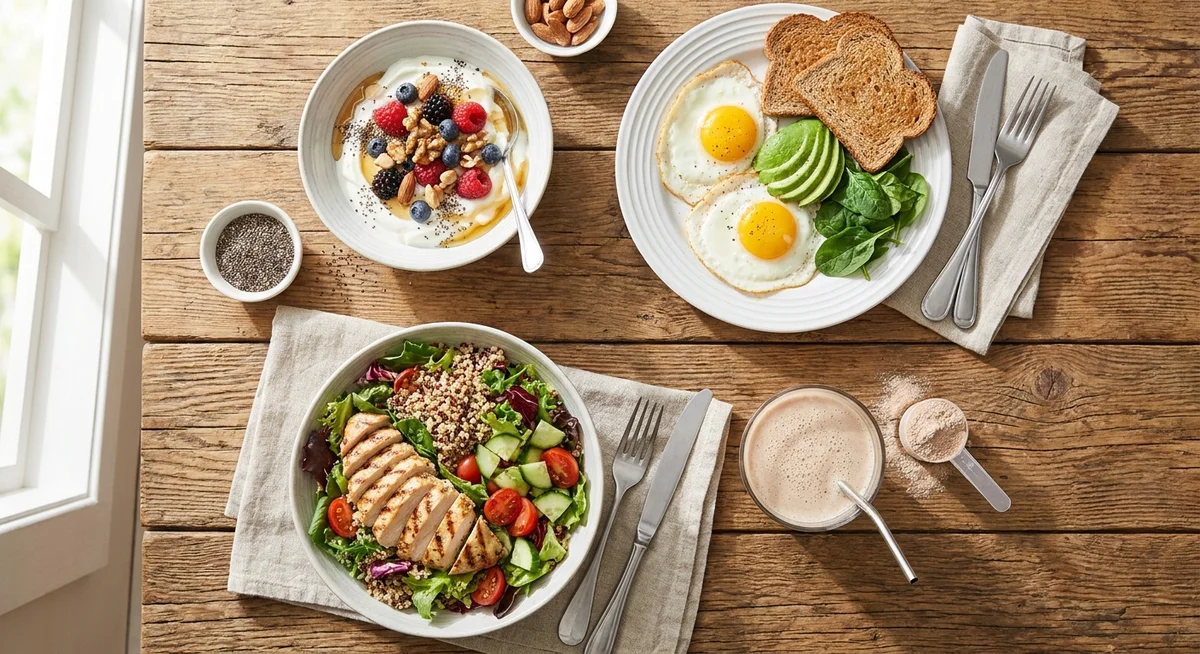
Spreading your intake matters because muscles can only use so much protein at once. Older research suggested the ceiling was around 20 to 25 g per meal, but more recent work indicates postmenopausal women benefit from meals containing 30 to 40 g. A protein shake can fill the gap at breakfast or as an afternoon snack when whole-food sources fall short. For a practical look at total daily targets, see our guide on how much protein you need per day.
Which protein powder type is best for menopause?
Two types stand out in the research for this life stage.
| Protein type | Key benefit for menopause | Considerations |
|---|---|---|
| Whey protein | Highest leucine content of any common protein; leucine is the amino acid most responsible for triggering muscle protein synthesis | Not suitable for dairy-free women; choose isolate if lactose is an issue |
| Soy protein | Contains isoflavones (plant oestrogens) that may help ease symptoms like hot flushes; full amino acid profile comparable to whey | Evidence on isoflavone benefits is mixed; check for non-GMO sourcing if that matters to you |
| Pea protein | Strong leucine content for a plant source; easy to digest; no allergen concerns | Lower in methionine; pair with a varied diet or rice protein to round out the amino acid profile |
| Casein protein | Slow digestion makes it useful before sleep, when the body does most of its repair work | Thicker texture; not suited to hot drinks |
If you eat dairy, whey isolate is a practical first choice because of its leucine density. If you follow a plant-based diet or have a dairy intolerance, soy or pea protein are both well-supported options. For a deeper comparison of plant proteins against whey, read our article on plant protein vs whey.
Protein powder and bone health during menopause
There was concern for years that high protein intake would leach calcium from bones by making blood more acidic. Large, well-controlled studies have since overturned that idea. Higher protein intake is associated with better bone mineral density, not worse. A 2017 meta-analysis in Osteoporosis International found that women in the top third of protein intake had significantly higher bone density at the hip and spine than those in the bottom third.
Combine adequate protein with resistance training and adequate calcium (1,200 mg per day is the Australian recommendation for postmenopausal women) and you have a practical bone-protection strategy that does not rely solely on medication.
Practical ways to use protein powder during menopause
The goal is consistency, not complexity. A few approaches that work well for this life stage:
- Morning shake: Blend 30 g of whey or soy protein with milk or a fortified plant milk, a banana, and a handful of spinach. You get 35 to 40 g of protein and a meaningful calcium contribution before 9 am.
- Greek yogurt boost: Stir half a scoop of unflavoured protein into full-fat Greek yogurt at lunch. Keeps the texture familiar and adds 12 to 15 g without a shake.
- Pre-sleep casein: A small casein shake 30 minutes before bed gives muscles a slow supply of amino acids overnight, when growth hormone activity peaks. See our article on protein powder and sleep for more on this approach.
- Post-workout window: After any resistance training session, aim to consume 30 to 40 g of protein within two hours. A shake is the most convenient way to hit that target without cooking.
Frequently asked questions
Can protein powder help with menopause weight gain?
It can help indirectly. Protein is the most satiating macronutrient, which means it reduces appetite better than the same calories from carbohydrate or fat. It also costs the body more energy to digest (the thermic effect of food). Neither effect is dramatic on its own, but both support a calorie-controlled approach without the hunger that makes dieting unsustainable. Protein powder is not a fat-loss product; consistent training and overall diet quality do the real work.
Is soy protein safe during menopause?
Yes, for most women. Despite early concerns that soy isoflavones might interact with hormone-sensitive conditions, the current evidence from long-term studies does not show harm in healthy postmenopausal women. Women with a history of hormone-receptor-positive breast cancer should discuss soy intake with their oncologist before making significant changes.
Does protein powder affect menopause symptoms like hot flushes?
Whey and pea proteins have no direct effect on hot flushes or night sweats. Soy protein, because it contains isoflavones, may reduce the frequency of hot flushes for some women, though the evidence is moderate and the effect varies considerably between individuals. No protein supplement replaces medical management of severe symptoms.
How do I know if I am getting enough protein?
Track your intake for three to five days using a free app like Cronometer or MyFitnessPal. Most women are surprised to find they fall well short of 1.2 g per kg on their typical days. Look for where the gaps are (usually breakfast and lunch) and fill them with a combination of whole foods and a protein supplement where convenient. Our guide to reading a protein powder label helps you compare products accurately.
Find a clean protein powder that fits your needsRead our full breakdown of vanilla protein powder: ingredients, amino acid profiles, and what to look for on the label.