Protein Powder and Sleep: Can It Help You Recover Overnight?

Taking a protein shake before bed is not a new idea, but the science behind it has sharpened considerably in recent years. Well-designed studies now show that pre-sleep protein can boost overnight muscle protein synthesis by up to 25%, making your sleeping hours a genuine recovery window rather than dead time. The catch is that the type of protein, the dose, and your overall diet all determine how much benefit you actually get.
Key takeaways
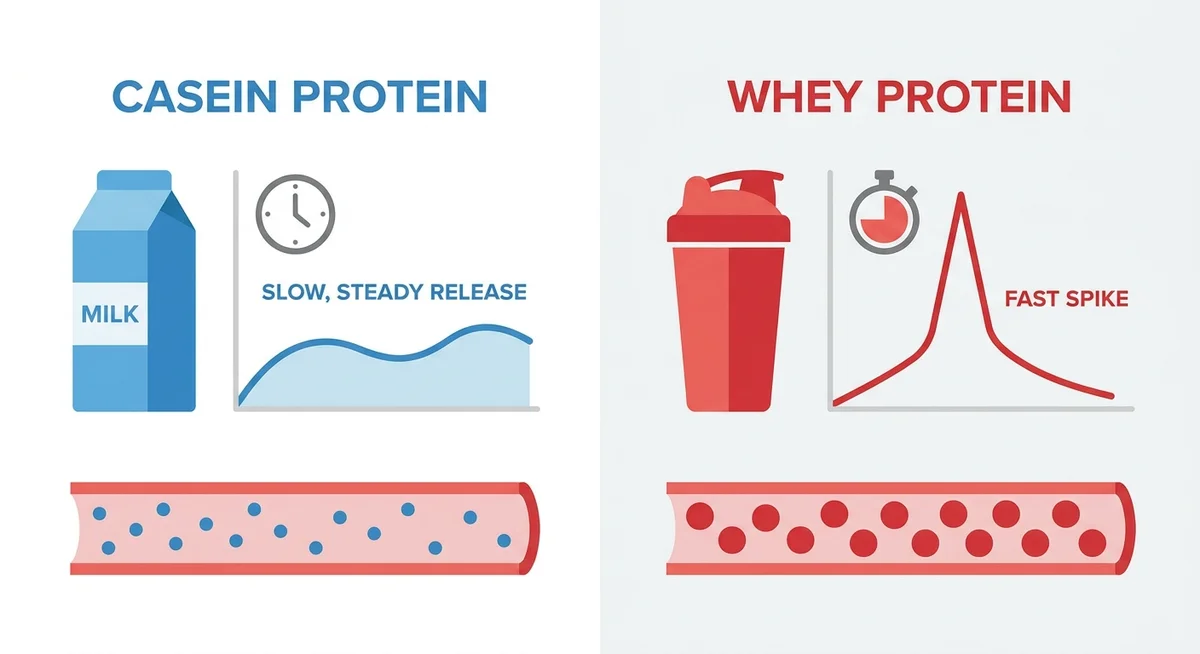
- Casein protein is digested slowly and releases amino acids across 5 to 7 hours of sleep, making it the most-studied choice for overnight recovery.
- A dose of 30 to 40 g before bed is consistently effective in research; smaller doses show weaker results.
- Pre-sleep protein does not meaningfully disrupt sleep quality or fat loss when total daily calories are controlled.
- Whey and plant proteins can work too, though they digest faster and may not sustain amino acid release as long through the night.
- People who train in the evening, older adults, and those in a caloric deficit tend to benefit most.
Why does overnight protein matter for muscle repair?
Muscle repair happens continuously, but it accelerates during sleep when growth hormone peaks and blood flow to muscle tissue increases. The limiting factor is amino acid availability. If you last ate at 7 pm and you sleep from 10 pm to 6 am, your muscles go roughly eight hours without a meaningful supply of the building blocks they need. Research from Maastricht University found that this overnight fast is long enough to reduce overnight muscle protein synthesis in both young and older adults. Feeding that window, even once, produces measurable gains in muscle mass over a 12-week training period compared to a placebo.
This is not about eating more total protein. It is about timing existing protein intake so your muscles have raw material when they are primed to use it.
Which protein powder is best before bed?
Not all proteins behave the same way after midnight. The key variable is digestion rate: how quickly the protein breaks down into amino acids and how long those amino acids stay elevated in the bloodstream.
| Protein Type | Digestion Speed | Overnight Amino Acid Release | Best For |
|---|---|---|---|
| Casein (micellar) | Slow (5-7 hrs) | Sustained throughout sleep | Pure overnight recovery focus |
| Whey concentrate | Fast (1-2 hrs) | Short spike, then drops | Post-workout if training late |
| Whey isolate | Very fast (<1.5 hrs) | Brief spike only | Post-workout, not ideal pre-sleep |
| Pea protein | Moderate (2-3 hrs) | Partial coverage | Plant-based option, decent overnight |
| Blended plant proteins | Varied by blend | Better than single-source plant | Vegans prioritising overnight recovery |
Casein wins on the overnight brief almost every time. Its slow, gel-forming digestion in the stomach creates a drip-feed of amino acids across the full sleep period. That said, if you are already using a high-quality vanilla protein powder that fits your digestion well, combining it with a small amount of full-fat dairy (Greek yoghurt, for example) can slow gastric emptying and extend amino acid release meaningfully.
Does pre-sleep protein affect sleep quality or body composition?
This is the question most people actually want answered. The short version: no, it does not disrupt sleep when the dose is reasonable, and no, it does not cause fat gain when it replaces rather than adds to your daily intake.
A 2019 study published in Frontiers in Nutrition tracked sleep architecture in resistance-trained men who took 48 g of casein protein 30 minutes before sleep for several weeks. Sleep stages, total sleep time, and morning alertness were indistinguishable from placebo. A separate meta-analysis covering over 600 participants found no significant change in body fat percentage from pre-sleep protein supplementation, provided total energy intake remained constant.
Who benefits most from overnight protein?
Pre-sleep protein is not magic for everyone, but certain groups see reliably stronger results.
Most likely to benefit
- People training 4 or more times per week, especially evening sessions
- Adults over 50, where muscle protein synthesis is blunted and needs more stimulus
- Those in a caloric deficit who need to preserve muscle while losing fat
- Anyone who typically skips dinner or eats it more than four hours before bed
Less likely to see extra benefit
- People already hitting total daily protein targets AND eating close to bedtime
- Sedentary individuals with no active muscle-repair demand
- Those sensitive to eating before bed (acid reflux, disrupted digestion)
- Anyone whose pre-sleep shake would meaningfully exceed their daily calorie goal
How to use protein powder effectively before bed
The practical steps are simpler than the science suggests. Choose a casein or blended protein if overnight recovery is your goal. Mix it with water or low-fat milk, keep the dose between 30 and 40 g of actual protein (check the label, not just the serving size), and drink it 30 to 45 minutes before sleep. Avoid adding a large number of carbohydrates or fats to the shake if you are watching total calories, since those add up quickly at the end of the day.
If casein is not available or you prefer a plant-based protein, a blend of pea and rice protein is the next best option. Single-source plant proteins digest faster, but a blended formula creates a more complete amino acid profile and a slightly more sustained release. Pair it with a tablespoon of nut butter or some Greek yoghurt to slow digestion further.
Timing within your overall day matters too. If you are not hitting your total daily protein target, fix that first. Pre-sleep timing is a refinement on top of an adequate base, not a shortcut around it. Our guide on how much protein you need per day is a good place to anchor that number before worrying about when you take it.
Frequently asked questions
Will protein powder before bed make me gain weight?
Not if you account for it in your daily calorie total. A 35 g protein serving adds roughly 140 to 160 calories. Swap it for a late-night snack you were already eating, or subtract it from an earlier meal, and body composition stays neutral. The research consistently shows no fat gain when total energy intake is controlled.
Can I use whey protein before bed instead of casein?
You can, and it will still contribute to your overnight amino acid pool. The limitation is that whey digests in roughly one to two hours, so amino acid levels in the bloodstream drop before your sleep cycle is halfway through. If whey is what you have, it is better than nothing. For purely overnight recovery, casein or a slow-digesting blend is a more efficient choice.
Does protein powder before bed affect sleep quality?
Multiple controlled studies show no meaningful disruption to sleep stages, total sleep time, or morning alertness from a pre-sleep protein dose of 30 to 48 g. Individuals with acid reflux or sensitive digestion may notice some discomfort from eating close to bedtime, in which case moving the shake earlier in the evening is sensible.
How long before bed should I take protein powder?
Thirty minutes is the practical window used in most research protocols. This gives initial digestion time to begin before you lie down, which reduces any risk of reflux, while still ensuring amino acids are entering your bloodstream as you transition into deep sleep phases.
Find a protein powder worth taking at nightSee our vanilla protein powder: clean ingredients, full amino acid profile, and a flavour that works in water or milk before bed.