Pea vs Rice vs Hemp vs Soy Protein: Which Plant Protein Wins?
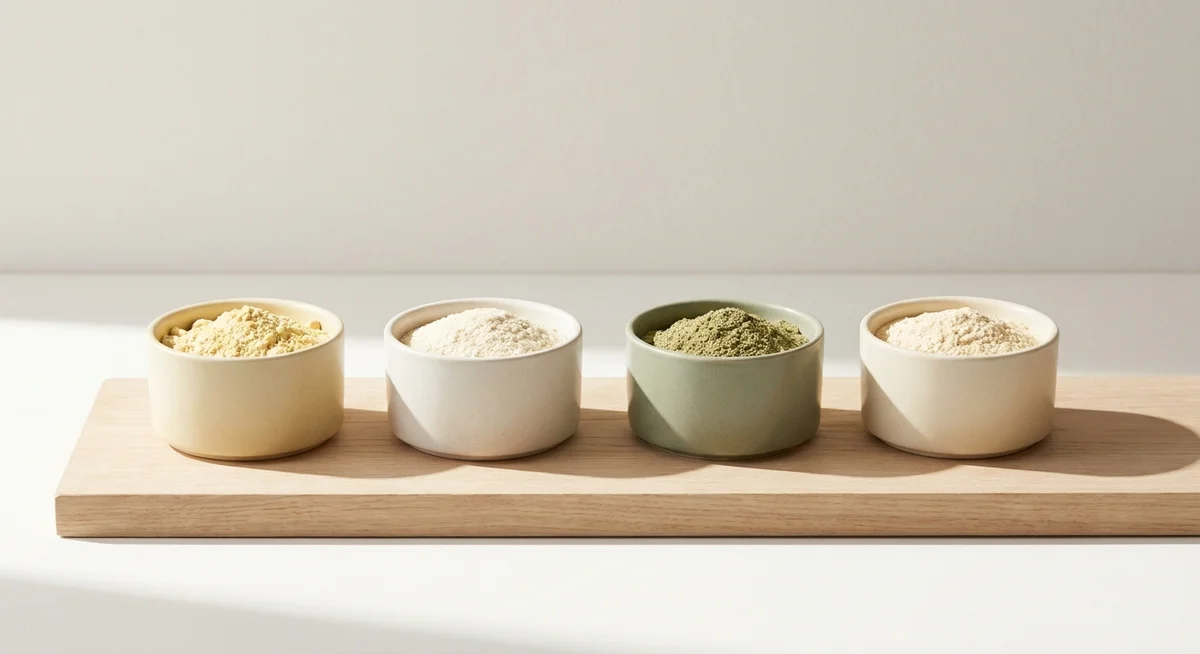
Pea, rice, hemp, and soy are the four plant proteins you'll see on most Australian shelves, and they are genuinely different products. Each has a distinct amino acid profile, texture, taste, and digestibility. This guide compares them on the factors that actually matter so you can stop guessing and pick the one that fits your body and routine.
Key takeaways
- Pea protein is the closest plant source to a complete amino acid profile and blends well in shakes.
- Rice protein is light and easy to digest, but low in lysine - best paired with pea.
- Hemp protein brings fibre and omega-3s but delivers less protein per serve than the others.
- Soy is the only plant protein that is fully complete on its own, though some people prefer to avoid it.
- Blends (pea + rice is the most common) often outperform single-source powders for muscle building.
What makes a plant protein "good"?
Before comparing sources, it helps to understand what you're evaluating. The three things that separate a useful plant protein from a mediocre one are amino acid completeness (especially leucine, which triggers muscle protein synthesis), digestibility (measured by a score called PDCAAS or DIAAS), and practical factors like taste, texture, and what ingredients are hiding on the label. A high gram count on the front of the bag means nothing if the powder is padded with fillers or scores poorly on digestibility.
For a deeper look at what those label numbers actually mean, see our guide on how to read a protein powder nutrition label.
How do the four main plant proteins compare?
| Source | Protein per 30g serve | Complete amino acids? | Digestibility | Best for |
|---|---|---|---|---|
| Pea | ~22-24g | Near-complete (low methionine) | High | Muscle building, general use |
| Rice (brown) | ~22-24g | Incomplete (low lysine) | High | Sensitive stomachs, blends |
| Hemp | ~12-15g | Complete | Moderate | Whole-food nutrition, fibre |
| Soy | ~23-25g | Fully complete | Very high | All-round use, highest output per gram |
Pea protein: the workhorse of plant-based powders
Pea protein (usually yellow split peas) has become the default for good reason. It delivers a high protein yield per serve, sits well in most stomachs, and mixes into shakes without turning gritty. Its leucine content is solid, which matters because leucine is the amino acid that actually signals your muscles to repair and grow.
The one gap is methionine, which pea protein contains in smaller amounts. This is easy to address by eating a varied diet or by choosing a pea-and-rice blend. On its own, pea protein still performs well for most people training regularly.
Rice protein: mild and gut-friendly
Brown rice protein is the gentlest option on this list. It digests smoothly, rarely causes bloating, and has a neutral flavour that works well in flavoured powders. Where it falls short is lysine - the amino acid critical for collagen synthesis and calcium absorption. This makes it a poor choice as a standalone protein if muscle building is your main goal.
Paired with pea protein, however, the two cover each other's amino acid gaps almost perfectly. That's why pea-rice blends dominate the natural protein market. If you're lactose intolerant or finding whey-based products hard on your gut, a pea-rice blend is the most direct swap.
Hemp protein: the nutritional outlier
Hemp protein is technically a complete protein, containing all nine essential amino acids. The catch is the quantity: hemp powder typically delivers only 12-15g of protein per 30g serve because a significant portion of hemp seed is fat and fibre. That fibre is genuinely useful for digestive health, and the fat profile includes omega-3 and omega-6 fatty acids in a reasonable ratio. So hemp is better described as a nutritious whole-food supplement than a high-output protein powder.
It works best for people who want to add protein gradually alongside real food, or who already get adequate protein from their diet and want a more natural, less processed product. If you're training hard and need 30g+ of protein per shake, hemp alone won't get you there without a very large serve.
Soy protein: the complete and capable option
Soy is the only plant source that is fully complete AND delivers a high protein yield. Studies on muscle protein synthesis show soy performing closer to whey than any other plant source, which makes it genuinely competitive for people who want to build or maintain muscle on a plant-based diet.
Why does it get skipped over? A few reasons: some people prefer to limit phytoestrogens (though the evidence that normal dietary amounts cause hormonal issues in adults is thin), others have soy allergies or intolerances, and some simply prefer to avoid soy due to concerns about farming practices and GMO sourcing. These are all valid personal choices. For those with no objection to soy, it's the most capable single-source plant protein available.
Reasons to choose soy
- Fully complete amino acid profile
- Highest protein output per gram of any plant source
- Decades of safety data in the research literature
- Well-tolerated by most people
Reasons to skip soy
- Common allergen for some individuals
- Many soy crops are genetically modified
- Some people prefer to limit phytoestrogen intake
- Flavour can be stronger than pea or rice
Which plant protein should you actually buy?
For muscle building and general fitness: a pea-rice blend is the practical first choice. It covers all essential amino acids, digests well, and is widely available in natural formulations without artificial sweeteners or fillers. Soy is equally effective if you have no concerns about it.
For digestive sensitivity: rice protein or a pea-rice blend. Avoid hemp if you need a high per-serve protein count.
For a whole-food nutritional boost rather than a performance supplement: hemp protein is worth adding to smoothies and oats, but treat it as a food rather than a protein powder in the traditional sense.
Whatever you choose, the label check matters as much as the source. Our overview of the best protein powder options in Australia covers what to look for on packaging so you're not paying a premium for a product that's mostly filler. And if you're new to protein powders entirely, the beginner's guide to picking your first tub walks through the whole process from scratch.
See our natural vanilla protein powderA clean pea-based formula with no artificial sweeteners or fillers, available now.Frequently asked questions
Is pea protein better than whey for building muscle?
Several studies now show pea protein producing comparable muscle and strength gains to whey when total protein intake is matched. Whey still has a slight edge on leucine content and digestion speed, but the gap is smaller than many people assume. For most recreational gym-goers eating a varied diet, pea protein performs well.
Can I mix different plant protein powders together?
Yes, and it's often a good idea. Pea and rice is the most common combination because the two sources fill each other's amino acid gaps. You can mix them yourself or buy a pre-blended product. Just check that both sources are listed clearly on the label, with no unnecessary additives making up the weight.
Does hemp protein contain THC?
Reputable hemp protein powders are made from hemp seeds, not the plant's flowers, and contain negligible to zero THC. Australian food-grade hemp protein products must comply with FSANZ regulations, which set strict limits. Buy from brands that provide third-party testing certificates to be sure.
Is soy protein safe for men to consume regularly?
The current weight of evidence says yes. Clinical studies have not found that typical dietary amounts of soy protein cause measurable hormonal changes in men. Concerns stem largely from very high-dose case reports and animal studies using concentrated isoflavone extracts, not from protein powder at normal serving sizes. If you're uncertain, talk to your GP.