How to Read a Protein Powder Nutrition Label
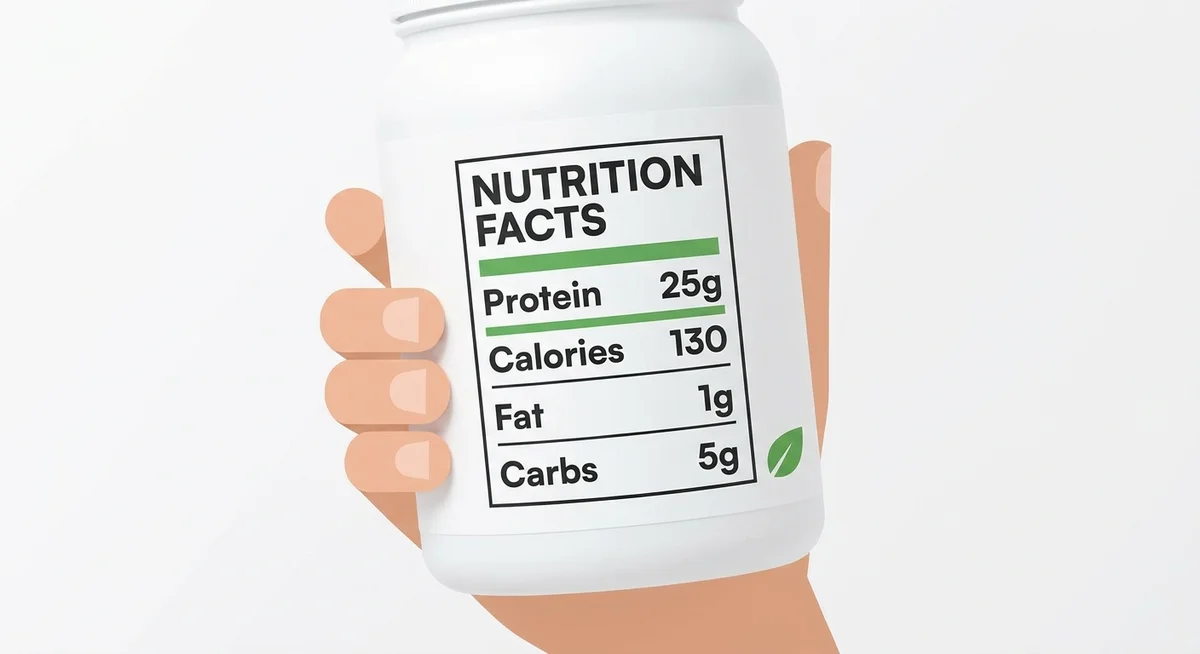
A protein powder nutrition label can tell you almost everything you need to know about a product before you open the bag. The protein content, the ingredient quality, the sugar load, and the filler count are all sitting right there. You just need to know which numbers actually matter and which ones are marketing noise.
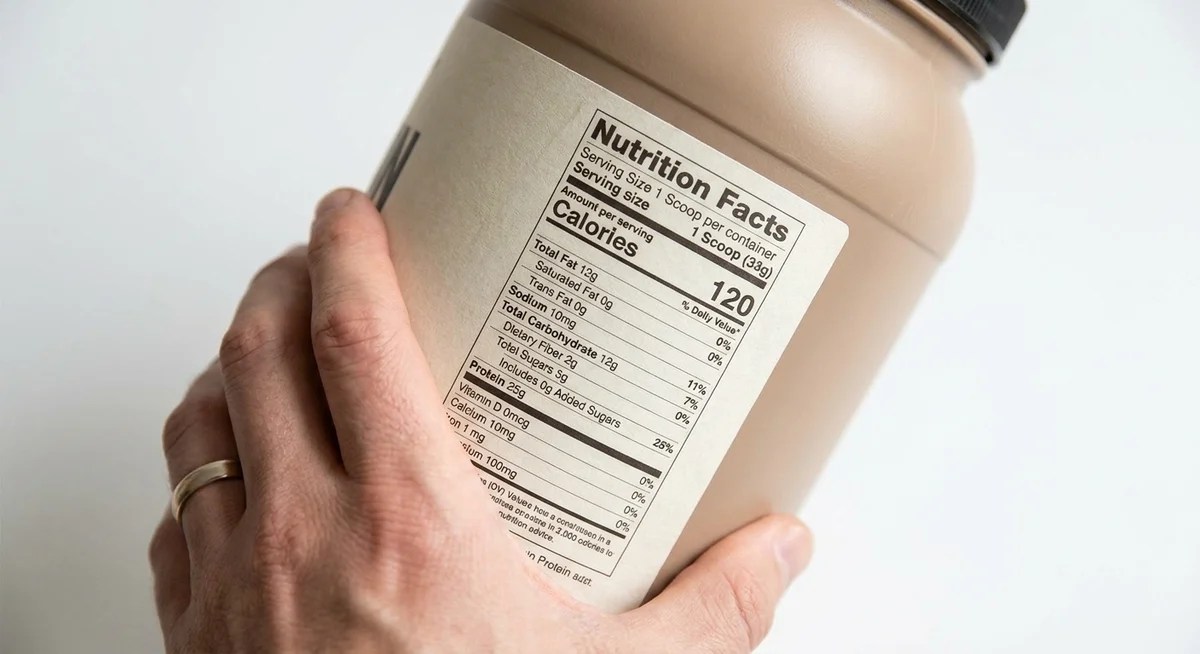
What does the serving size really tell you?
The serving size line is the first thing to check, because every number below it is calculated from that weight. A common trick is to set the serving size unusually large (40–50g) so the protein number looks impressive, or unusually small so the calorie count looks low. Always convert the protein figure to a percentage of the serving size.
A quality whey isolate should deliver around 80–90% protein by weight. So a 30g scoop should show roughly 24–27g of protein. If a 30g scoop only shows 18g, roughly 40% of what you bought is something other than protein. That matters if you are comparing products by price per gram of actual protein.
The quick calculation: divide the grams of protein by the serving size in grams, then multiply by 100. Anything above 75% is solid. Below 60% and you should ask what fills the rest.
How do you spot low-quality protein sources?
The ingredients list runs from highest to lowest weight. The first ingredient should be your protein source, whether that is whey protein isolate, whey protein concentrate, pea protein, or casein. If you see "proprietary blend" listed first, or if maltodextrin, soy flour, or vegetable oil appears before your protein source, treat it as a red flag.
Watch for these specific issues:
- Amino spiking: Some manufacturers add cheap amino acids like glycine, taurine, or creatine to inflate the total protein reading on a standard lab test. If the amino acid profile looks unusually high in non-essential aminos relative to essential ones, this is likely happening.
- Multiple sweetener layers: One sweetener is normal. Three or four listed in sequence suggests the product was formulated to mask a poor-quality base.
- Thickener stacking: Xanthan gum, guar gum, and carrageenan all at once usually means the texture required heavy intervention, which often points to over-processing.
If you are comparing whey types, the difference between isolate and concentrate is worth understanding before you buy. Our guide to whey isolate vs concentrate covers what each form means for your protein intake and digestibility.
What should you check in the amino acid profile?
Not all protein is equal, and the amino acid profile is where that becomes measurable. Look for the essential amino acid (EAA) breakdown, especially the three branched-chain amino acids: leucine, isoleucine, and valine. Leucine is the primary trigger for muscle protein synthesis. A high-quality whey serving should carry around 2–3g of leucine per 25g of protein.
If the label only shows total BCAAs without a per-amino breakdown, that is less informative but not automatically a problem. What you want to avoid is a product with a high total protein claim but a leucine content below 1.5g per serving, which suggests the protein is either heavily diluted or sourced from a low-leucine base like collagen or rice.
Calories, carbs, and fats: what is acceptable?
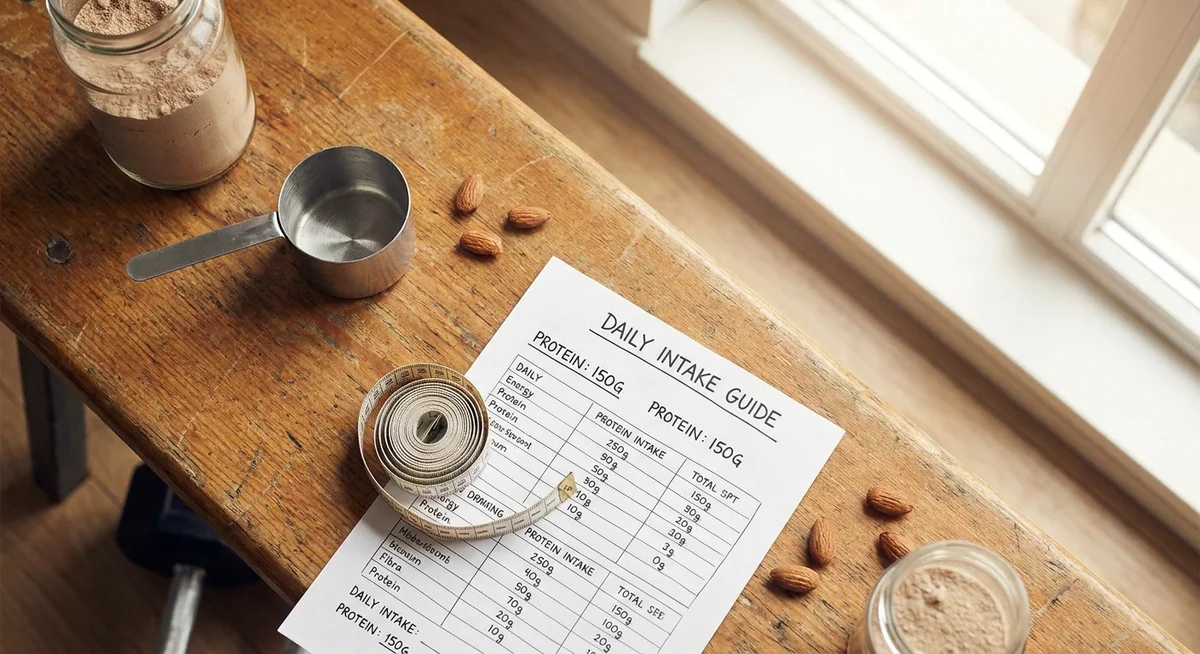
For a plain protein powder (not a mass gainer), you want the calorie count driven by protein rather than by carbohydrates or fat. A rough benchmark: 100–130 calories per serving with 20–25g of protein is normal. If you are seeing 200+ calories in a standard scoop and the protein is under 20g, the product is closer to a meal replacement than a protein supplement.
Sugar is worth a close read too. Under 2g per serving is fine for most goals. Over 5g in a product that does not label itself as a mass gainer is worth questioning, especially if you are using the product specifically for weight loss.
Fat content in the 1–3g range is completely normal for whey concentrate. Higher fat in an isolate product suggests incomplete filtration.
Frequently asked questions
What is the difference between total protein and digestible protein on a label?
Total protein is measured by nitrogen content and can include non-protein nitrogen sources. Digestible protein reflects how much your body actually absorbs. Most mainstream whey and pea proteins have high digestibility scores (DIAAS above 1.0 for whey), so the gap is small. It becomes relevant with blended plant proteins, where some sources score lower. Labels rarely show DIAAS, so checking the protein source quality is the practical workaround.
Should I worry about artificial sweeteners in protein powder?
Sucralose, stevia, and acesulfame potassium are the most common. All are approved for use and present in very small amounts. If you are sensitive to digestive discomfort, sucralose and acesulfame-K are occasionally reported as triggers in large doses. Stevia is generally well-tolerated. Whether you prefer artificially or naturally sweetened products is largely personal preference at the amounts used in supplements.
How do I compare two products side by side on price?
Ignore the per-kilogram sticker price. Calculate the cost per gram of protein instead: take the total price, divide by the total number of servings, then divide by the grams of protein per serving. This gives you a cost-per-gram figure that makes any two products directly comparable regardless of pack size or serving weight. Our best protein powder Australia roundup uses this method to rank value across popular local options.
Does the order of ingredients on a protein powder label matter?
Yes. Ingredients are listed by weight from highest to lowest. If your primary protein source is the first ingredient and the rest are flavoring, sweetener, and a small emulsifier, that is a clean formulation. If you see five or six functional ingredients before the protein source appears, the ratio of protein to filler is likely poor. For a deeper look at what good formulation looks like, check our guide to what to look for in a vanilla protein powder.