Protein Powder for Teenage Athletes: What's Safe, What Works, and What to Avoid
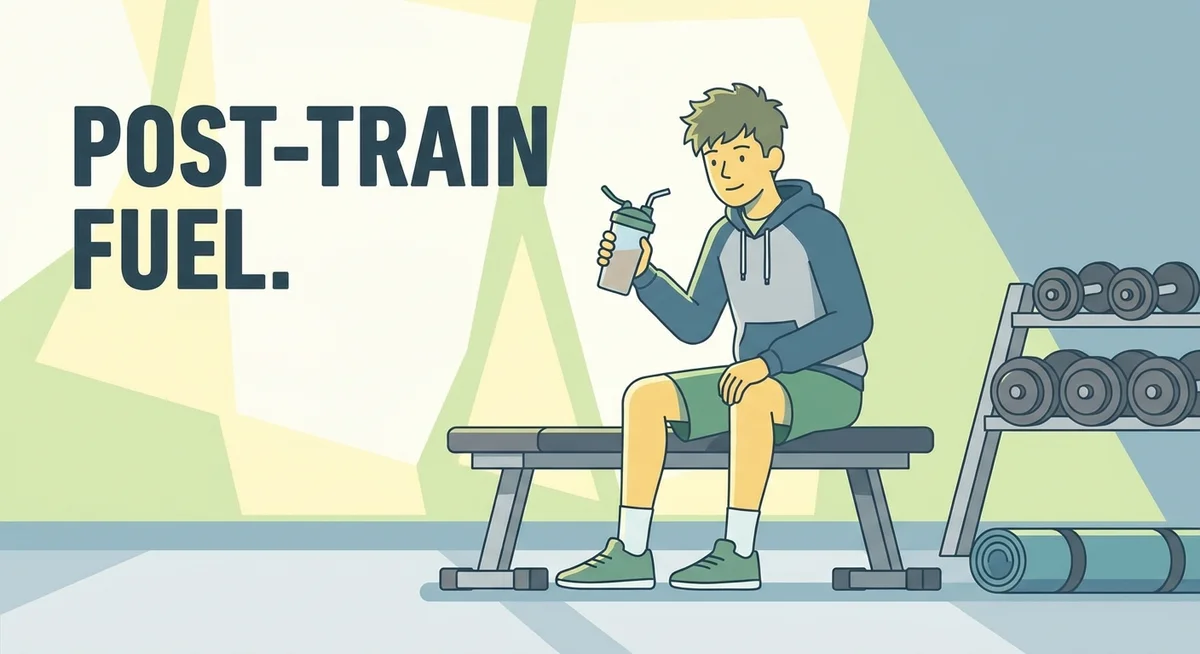
Protein powder can be a practical tool for teenage athletes who train hard and struggle to eat enough through food alone. But the rules are different for adolescents than for adult gym-goers. Growing bodies have unique needs, and many products on the market are formulated with adults in mind. This guide covers what teenage athletes actually need, which types of protein are appropriate, and what to steer clear of.
Key takeaways
- Most teenage athletes can meet their protein needs through food first; powder is a supplement, not a shortcut.
- Protein needs for active teens are higher than for sedentary adults: roughly 1.4 to 1.7 g per kg of body weight per day.
- Whey, casein, and plain pea or rice protein are the safest choices. Avoid pre-workout blends, weight gainers with added stimulants, and products with proprietary stacks.
- Third-party tested products matter more for teens, who compete under stricter doping rules in many junior sports.
- A doctor or sports dietitian should be involved if a teen has any underlying health condition or is restricting calories.
Do teenage athletes actually need protein powder?
Most do not need it in the same way a 30-year-old bodybuilder might. However, teenage athletes in heavy training blocks (two or more sessions a day, year-round team sports, or strength sports like rowing and wrestling) can genuinely struggle to hit adequate protein through meals alone, especially around school hours when eating is inconvenient. In those situations, a simple, clean protein powder is a practical bridge, not a crutch.
The key distinction is purpose. Protein powder used to fill a gap between training and a real meal is reasonable. Protein powder used as a substitute for eating, or layered on top of an already-adequate diet, adds calories and cost without meaningful benefit.
How much protein do teenage athletes need?
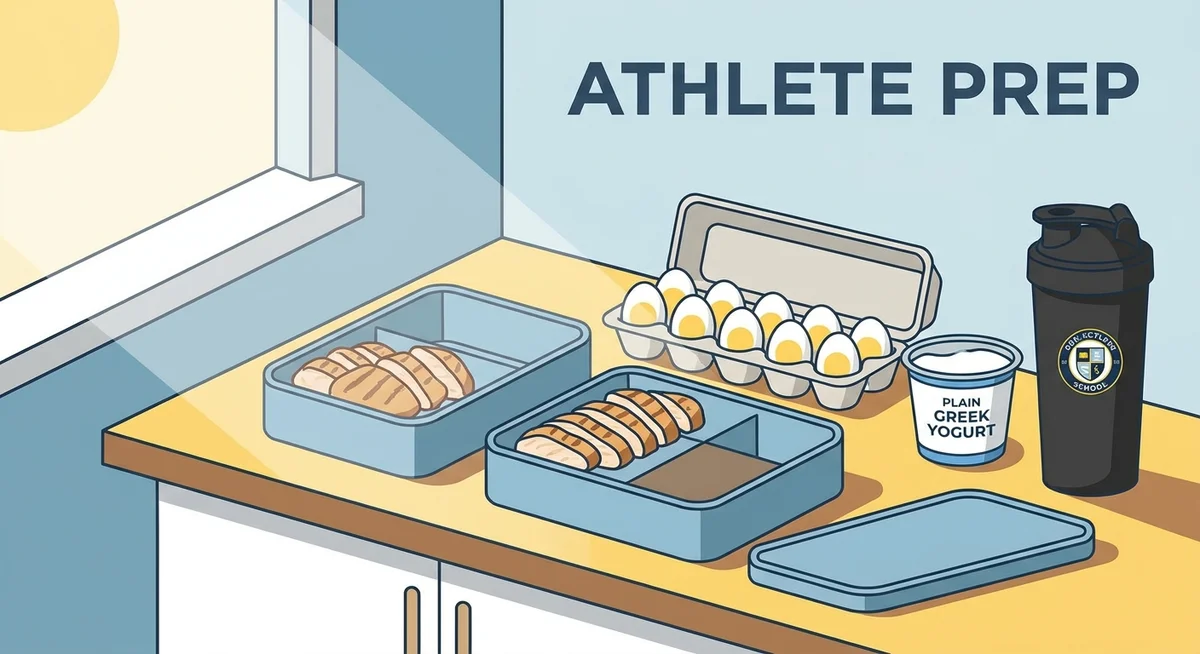
Research from sports nutrition bodies generally puts the range at 1.4 to 1.7 grams of protein per kilogram of body weight per day for adolescents in regular training. For a 65 kg (143 lb) teenage footballer, that is roughly 91 to 110 grams of protein daily. For a 75 kg (165 lb) junior rower, it could reach 128 grams or higher on hard training days.
| Body Weight | Sedentary Teen (0.8 g/kg) | Active Teen (1.4 g/kg) | Heavy Training (1.7 g/kg) |
|---|---|---|---|
| 50 kg (110 lb) | 40 g/day | 70 g/day | 85 g/day |
| 65 kg (143 lb) | 52 g/day | 91 g/day | 111 g/day |
| 75 kg (165 lb) | 60 g/day | 105 g/day | 128 g/day |
| 90 kg (198 lb) | 72 g/day | 126 g/day | 153 g/day |
Most teens who eat three meals with quality protein sources (eggs, chicken, fish, dairy, legumes) will reach the lower end of this range without supplementation. The gap only opens up when training volume rises and meal timing gets squeezed.
Which protein types are appropriate for teens?
The safest options are single-ingredient or near-single-ingredient proteins with no stimulants, no creatine stacks, and no proprietary blends hiding unspecified doses. Here is how the main types compare for adolescent use:
Good choices for teens
- Whey concentrate or isolate: fast-digesting, complete amino acid profile, well-studied in younger athletes. Best post-training.
- Casein: slow-digesting, good before bed for overnight recovery. No stimulants. Read more in our casein protein guide.
- Pea protein: plant-based, easy on digestion, suitable for teens with dairy intolerance. Pairs well with rice protein for a fuller amino profile. See our pea vs whey comparison for a deeper look.
- Rice protein: another clean plant option; mild flavour, low allergen risk.
What teens should avoid
- Pre-workout blends with protein: these often contain caffeine at doses unsuitable for adolescents (150+ mg per serve).
- Mass gainers with added sugars and oils: not harmful per se, but easy to overconsume and nutritionally poor.
- Testosterone boosters or "anabolic" proteins: no evidence of benefit in teens; some contain ingredients with unknown safety profiles in adolescents.
- Products with no third-party testing: contamination risk is a real concern for junior athletes subject to WADA testing rules.
Timing: when should a teen take protein powder?
Post-training is the most useful window. Muscle protein synthesis is elevated for one to two hours after resistance training or intense aerobic work, and getting 20 to 30 grams of protein into that window supports recovery. If a full meal is not possible within 60 minutes of finishing training (common after evening sessions), a shake is the practical solution.
A small protein hit before bed can also help teens who train twice a day or who are in a growth phase. Casein is the traditional choice here because it digests slowly and keeps amino acids available through the night. 20 to 25 grams is enough; bigger doses do not add proportional benefit.
Frequently asked questions
Is protein powder safe for 14 or 15 year olds?
Plain whey, casein, or plant-based protein powders with no added stimulants are considered low-risk for teenagers in normal health. The main caution is product quality: always choose products with third-party testing, avoid blends with caffeine or hormone precursors, and keep total intake within the ranges appropriate for body weight. When in doubt, a sports dietitian can give personalised guidance.
Can protein powder stunt growth in teenagers?
There is no evidence that standard protein supplementation stunts growth. Protein is a building block of bone and muscle, and adequate intake supports normal development. The concern is more about products that contain anabolic compounds or high doses of certain herbs, which is why sticking to plain, tested protein powders matters.
How much protein powder should a teen have per day?
Most teenage athletes need only one serve (20 to 30 g) per day, and only on days they train. Food should still provide the majority of their protein. Exceeding total daily needs by a large margin does not build more muscle; it just adds calories. Teens who are already eating well across three meals may not need powder at all.
What is the best protein powder flavour for teens?
This is personal preference, but starting with a versatile flavour like chocolate or vanilla makes it easier to mix into smoothies, oats, or yogurt rather than drinking it straight. Unflavoured whey or pea protein also works well in cooking without altering the taste of food. Check our vanilla protein guide for what to look for in a quality flavoured option.
Find the right protein powder for your trainingAustralia's most thorough protein powder comparison and reviews, all in one place.