Vanilla Protein Powder: How to Pick the Right One
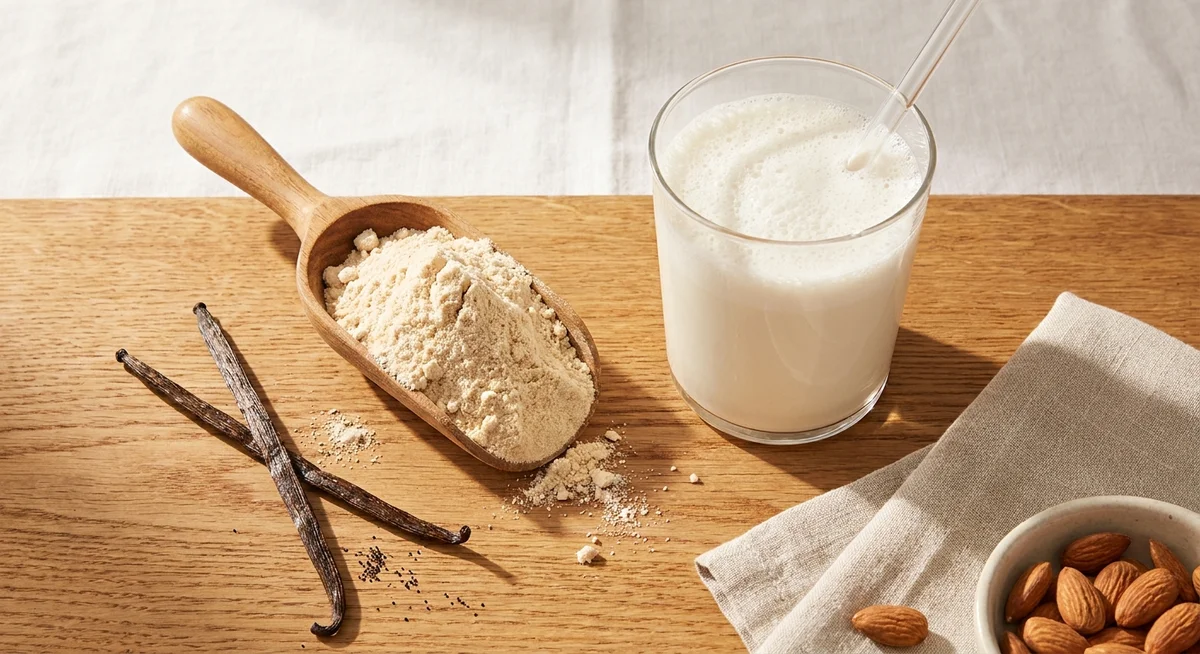
Vanilla is the best-selling protein powder flavour in Australia for good reason: it blends into almost anything, masks the chalky taste most protein bases carry on their own, and leaves a shake tasting like dessert without loading it with sugar. The catch is that "vanilla" covers everything from natural bean extract to an artificial cocktail of sweeteners and flavour chemicals. Knowing which you're buying matters, because the ingredients behind that flavour tell you a lot about the rest of the formula too.
Key takeaways
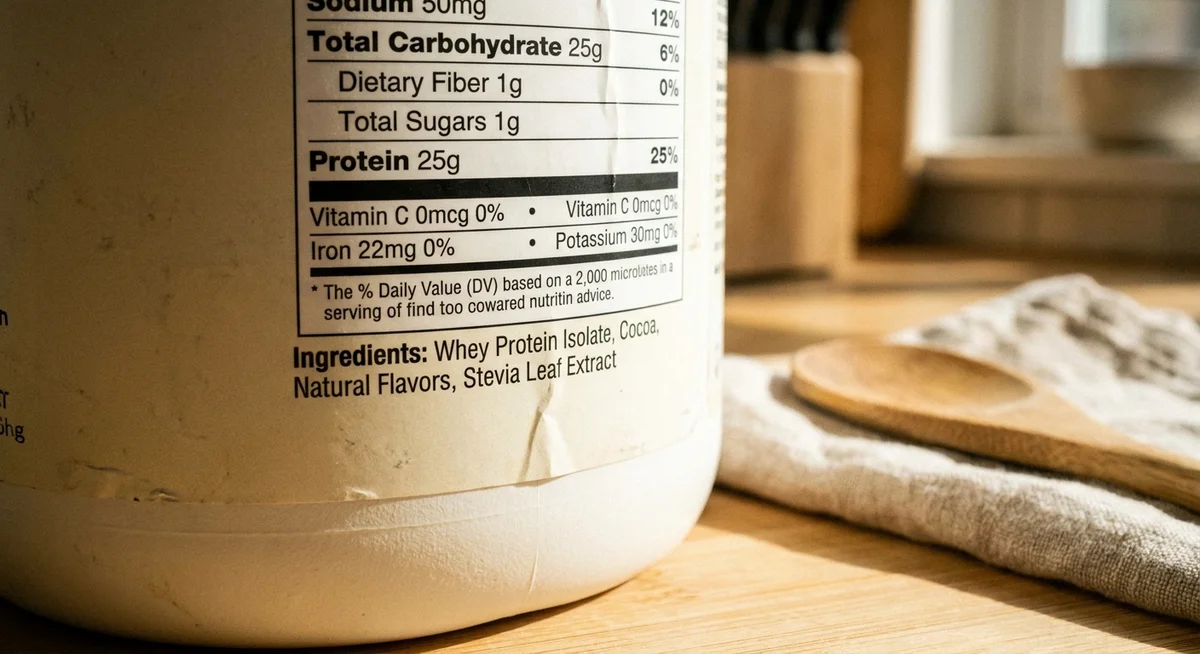
- Check whether vanilla flavouring comes from natural extract or artificial sources. The label will say "natural vanilla flavour" or list vanillin separately.
- Aim for at least 20 g of protein per serving with less than 5 g of sugar unless the formula uses a whole-food sweetener.
- Protein source matters as much as flavour. Whey concentrate, isolate, casein, and plant blends all behave differently in vanilla form.
- Sweetener type affects taste and digestion. Stevia and monk fruit sit better with most people than sucralose or acesulfame potassium.
- A short ingredient list is a reliable quality signal. If you cannot pronounce most of it, look elsewhere.
What separates a good vanilla protein powder from a mediocre one?
Quality vanilla protein powder starts with the protein itself, not the flavour. A well-formulated tub will hit 20 to 30 g of protein per 30 to 35 g serving, which puts the protein efficiency above 65%. Anything below that is carrying too much filler, whether that's carbohydrate binders, flavour bulkers, or cheap fat sources added to improve mouthfeel.
After protein content, look at the flavouring method. Natural vanilla flavour derived from Vanilla planifolia beans costs more, but it delivers a rounded, warm taste that artificial vanillin cannot replicate. Many budget tubs list "vanilla flavour" without specifying natural or artificial. That ambiguity is your cue to dig deeper or shop elsewhere.
Which protein base works best with vanilla flavour?
Vanilla is one of the few flavours that works with every protein base, but each combination has a different texture and use case.
| Protein Base | Texture in Vanilla | Best Use | Who Should Avoid It |
|---|---|---|---|
| Whey Concentrate | Creamy, slightly thick | Post-workout shakes, smoothies | Lactose-sensitive people |
| Whey Isolate | Light, fast-dissolving | Low-carb and low-fat protocols | Those wanting slower digestion |
| Casein | Thick, pudding-like | Overnight recovery, baking | Lactose-sensitive people |
| Pea + Rice Blend | Slightly gritty but mild | Vegan athletes, smoothie bowls | Anyone needing rapid absorption |
| Egg White | Very smooth, neutral | Cooking, pancakes, baking | Those who prefer a sweeter shake |
If you are still deciding which protein type suits your goals, our whey protein guide and our casein breakdown cover both in detail.
How do sweeteners affect vanilla protein powder?
Sweetener choice shapes both the flavour profile and how well your gut handles the product. Natural sweeteners like stevia and monk fruit leave a slightly floral aftertaste but are generally well-tolerated. Sucralose is neutral in taste but can cause bloating in sensitive people when consumed daily. Acesulfame potassium (Ace-K) is often paired with sucralose to mask bitterness, and while it's approved for use, some people find it leaves a metallic finish that clashes with vanilla's warmth.
For a formula that tastes like real vanilla without compromise, look for stevia or monk fruit as the sole sweetener and "natural vanilla flavour" as the flavouring source. These two choices together are the closest a protein powder gets to the flavour of a home-made vanilla shake.
How to use vanilla protein powder beyond the shaker cup
Vanilla's neutral warmth makes it the most kitchen-friendly flavour. A scoop blends cleanly into overnight oats without overpowering the other ingredients. It works in pancake batter, protein balls, and Greek yoghurt without the flavour clash you'd get from chocolate or strawberry. Casein-based vanilla is particularly good for baking because its slow-digesting proteins hold moisture and give baked goods a denser, more satisfying texture.
For cooking specifically, avoid isolate-heavy formulas. Isolates denature quickly under heat and can turn rubbery in a finished product. Concentrate and casein hold up better above 150°C.
What should a serving of vanilla protein powder cost in Australia?
Price per serving is a more honest metric than price per tub. Expect to pay between $1.50 and $3.50 per serving for a quality vanilla formula in Australia. Anything below $1.20 per serving usually signals a low protein-per-serving ratio or a heavy reliance on cheap fillers. Anything above $4.00 per serving rarely reflects superior nutrition; you are mostly paying for branding and packaging.
A 1 kg tub typically delivers 30 to 33 servings, so a fair price range sits between $45 and $105 depending on the protein base. Whey isolate and egg white formulas sit at the higher end. Pea-rice blends and concentrates sit lower.
See our recommended vanilla protein powderRead the full breakdown of ingredients, nutrition, and where to buy in Australia.Frequently asked questions
Is vanilla protein powder good for weight loss?
Yes, if the formula is low in sugar and uses a lean protein base like whey isolate or egg white. A 25 g protein serving with under 3 g of sugar keeps total calories low while helping you stay full between meals. Avoid formulas with maltodextrin or added oats if you are tracking carbohydrate intake closely.
Can I bake with vanilla protein powder?
Yes. Vanilla is the easiest flavour to bake with because it complements most recipes that already call for vanilla extract. Replace 20 to 30% of the flour in a recipe with protein powder and add a little extra liquid to compensate for the drier texture. Casein-based vanilla holds moisture better than whey isolate in baked goods.
Does vanilla protein powder contain real vanilla?
That depends on the brand. Look for "natural vanilla flavour" or "vanilla bean extract" in the ingredient list. If you see "vanilla flavour" alone, it is likely artificial vanillin derived from wood pulp or synthetic sources. Some premium formulas specify "Madagascar vanilla" or "Bourbon vanilla," both of which indicate the genuine article.
How does vanilla protein powder compare to unflavoured protein powder?
Unflavoured protein powder has a cleaner ingredient list and works well in savoury cooking, but most people find it difficult to drink straight. Vanilla adds palatability without a significant calorie cost. If you alternate between sweet shakes and cooking, buying one vanilla tub and one unflavoured tub gives you maximum flexibility. You can also read Australia's full protein powder guide to compare all your options side by side.