Protein Powder and Pregnancy: What's Safe, What to Avoid, and How Much You Need
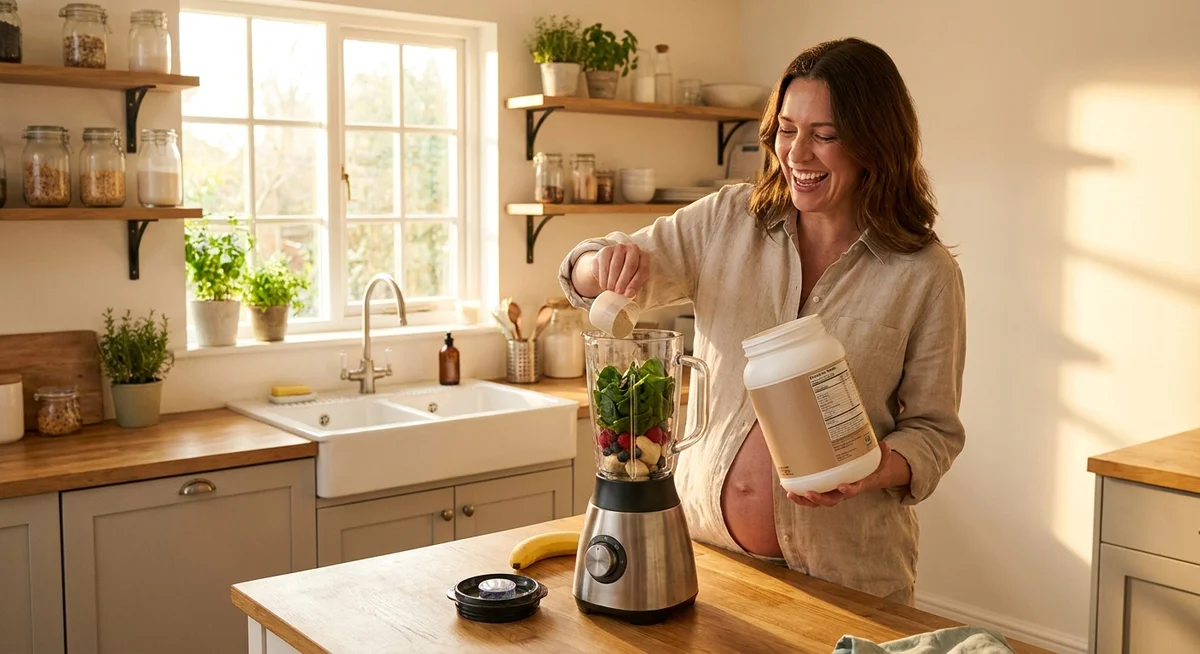
Protein requirements climb during pregnancy, yet many women find eating enough whole food protein genuinely difficult, especially in the first trimester when nausea, food aversions, and fatigue hit hardest. A good protein powder can fill that gap, but the category is not one-size-fits-all. Some products are perfectly fine; others carry ingredients that have no place in a pregnancy diet. Here is a clear breakdown of what to look for, what to skip, and how much protein you actually need at each stage.
Key takeaways
- Protein needs increase by roughly 25 g per day during pregnancy, rising from a baseline of around 46 g to 71 g or more.
- Whey, pea, and rice protein powders are generally considered safe options during pregnancy when sourced from a reputable supplier.
- Avoid products with high-dose herbal additives, artificial sweeteners, heavy-metal contamination risks, and unverified "proprietary blends".
- Always check with your midwife or obstetrician before adding any supplement to your routine.
- A simple, short-ingredient powder with third-party testing is the safest choice.
How much protein do pregnant women actually need?
The current Australian dietary guidelines recommend around 60 g of protein per day during pregnancy, though many sports dietitians and obstetricians now suggest the real target sits closer to 70 to 100 g daily, particularly in the second and third trimesters when fetal tissue, placenta, and amniotic fluid are all growing rapidly. Research published in the American Journal of Clinical Nutrition found that protein intakes above the standard recommendation were associated with better fetal growth outcomes, especially for women carrying multiples or those who were underweight at conception.
If you are eating three meals a day and managing solid food comfortably, you may already be getting close to your target through eggs, meat, fish, legumes, and dairy. But many pregnant women, especially in the first trimester, cannot consistently eat enough of those foods. That is where a clean protein powder earns its place.
Which protein powders are safe during pregnancy?
The type of protein matters less than the overall formulation. Here is how the most common options compare.
| Protein Type | Generally Safe? | Key Considerations |
|---|---|---|
| Whey concentrate | Yes | Dairy-derived; avoid if lactose intolerant. Check for minimal additives. |
| Whey isolate | Yes | Lower lactose than concentrate. Good option for sensitive stomachs. |
| Pea protein | Yes | Plant-based, easy to digest, no dairy. Watch for added herbs. |
| Rice protein | Yes (with caveats) | Check for heavy metal testing due to arsenic risk in some rice sources. |
| Soy protein | Generally yes | Moderate phytoestrogen content; fine in normal serving amounts, not excess. |
| Collagen peptides | Yes | Not a complete protein; useful for skin and connective tissue but needs combining. |
| Hemp protein | Yes | Lower protein per serve; higher in healthy fats and fibre. Pairs well with other sources. |
What ingredients should you avoid during pregnancy?
This is where many protein powders fall short for pregnant women. Manufacturers add all sorts of extras to make their product stand out on shelf, and not all of those extras are pregnancy-safe.
Red-flag ingredients
- High-dose herbal extracts (ashwagandha, guarana, ginseng, fenugreek, echinacea): safety data during pregnancy is limited or absent for most adaptogens.
- Caffeine: Australian health authorities recommend keeping caffeine below 200 mg per day during pregnancy. Many "energy" or "lean" protein blends push you over that limit in a single serve.
- Vitamin A above 700 mcg RAE per day: excessive preformed vitamin A (retinol, not beta-carotene) is linked to birth defects. A powder stacking on top of a prenatal vitamin can tip you over.
- Artificial sweeteners like saccharin and aspartame: the evidence is not conclusive, but many practitioners recommend caution given limited long-term data on fetal exposure.
- Unverified rice protein: rice can absorb heavy metals from soil. If using rice protein, choose a brand that publishes third-party heavy-metal testing results.
Ingredients that are fine
- Whey, casein, pea, or hemp as the sole protein source.
- Stevia in small amounts, which is considered safe by Food Standards Australia New Zealand.
- Digestive enzymes (bromelain, papain, lactase): generally safe in food-level amounts found in supplements.
- Iron and folate if added: both are beneficial during pregnancy, though confirm the total dose against your prenatal supplement.
- Vanilla flavouring from natural sources: no concerns at all. A quality vanilla protein powder with a short ingredient list is often the easiest pregnancy-safe choice.
Practical ways to use protein powder during pregnancy
The goal is to supplement food, not replace it. Whole food proteins carry co-nutrients (zinc, iron, B12, omega-3s) that powder cannot replicate. Aim for one serve per day, used specifically to fill a gap rather than as a routine meal skip.
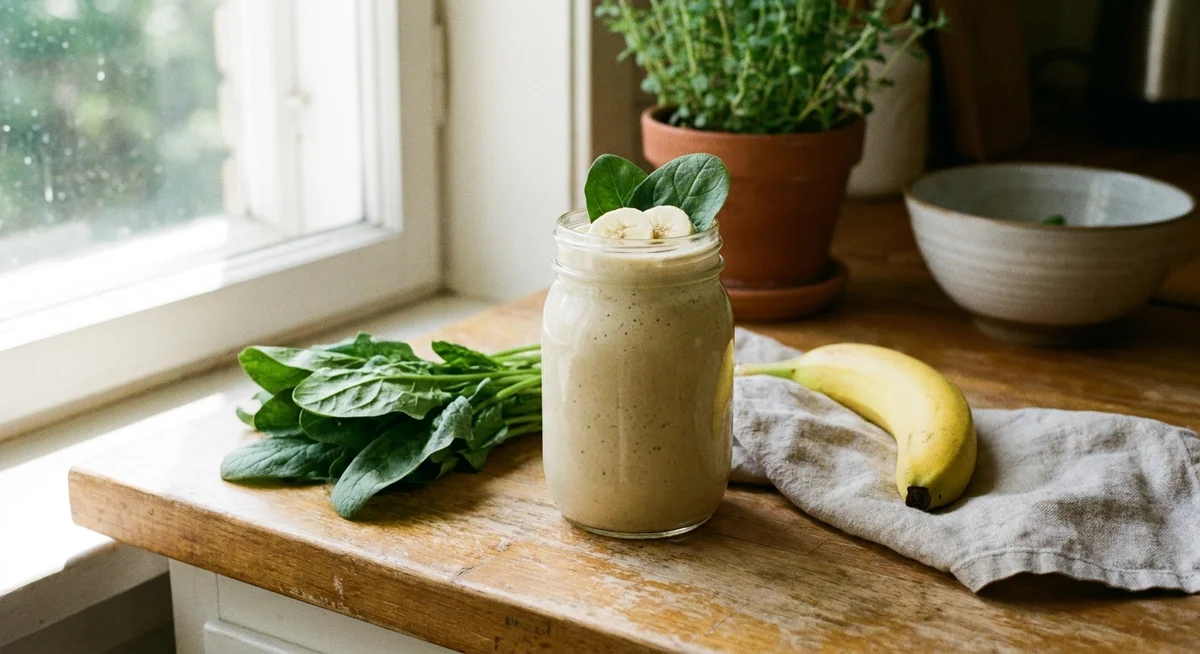
- Morning sickness smoothie: blend half a banana, a handful of spinach, 200 ml of milk or oat milk, and one scoop of plain whey or pea protein. Cold, mild, and easy to keep down.
- Overnight oats: stir a scoop into oats with Greek yoghurt and berries the night before. The texture masks any chalkiness and the meal is ready when you wake up too tired to cook.
- Soup stirred in: a scoop of unflavoured or lightly flavoured protein powder dissolves into a warm (not boiling) broth. This works well when solid food is unappealing.
- Post-exercise recovery: if you are continuing low-to-moderate exercise in pregnancy, a post-session shake with fruit is a practical way to meet both protein and carbohydrate needs at once.
If you want a broader picture of how protein powder fits into different dietary patterns and goals, the protein powder buying guide covers type-by-type breakdowns in more detail. For a look at plant-based options specifically, the vegan protein powder guide is worth a read if you are avoiding animal products during pregnancy.
Frequently asked questions
Is it safe to drink a protein shake every day while pregnant?
One serve per day of a clean, low-additive protein powder is considered safe for most pregnant women. The key is choosing a product with a simple ingredient list, no high-dose herbs or caffeine, and ideally third-party testing. Always run it past your midwife or obstetrician first, particularly if you are taking a prenatal supplement, to avoid doubling up on nutrients like vitamin A or iron.
Can protein powder cause harm to the baby?
Protein itself poses no risk to fetal development. The risk, if any, comes from additives in certain products: herbal stimulants, excessive fat-soluble vitamins, or heavy metal contamination in low-quality plant proteins. Stick to reputable brands that publish testing results, keep the ingredient list short, and you significantly reduce any concern.
When during pregnancy do protein needs increase the most?
Protein requirements ramp up significantly from the second trimester onward, when fetal growth accelerates. By the third trimester, some estimates put daily needs at 80 to 100 g depending on pre-pregnancy weight, activity level, and whether you are carrying more than one baby. The first trimester requirement is only slightly above the standard adult recommendation, though food aversions often make even that hard to meet.
Should I keep using protein powder while breastfeeding?
Yes, protein needs during breastfeeding are similar to, and in some cases higher than, during pregnancy. The same rules apply: choose a simple formulation with no stimulants or high-dose herbs. Herbal galactagogues (fenugreek, blessed thistle) added to some "nursing" protein blends have mixed evidence and some carry minor risks; discuss with a lactation consultant before using them.
See our vanilla protein powderA clean, short-ingredient option that fits comfortably into a pregnancy diet.