Protein Powder for Muscle Recovery: What Actually Works

Protein powder for muscle recovery works by supplying the amino acids your body needs to rebuild muscle fibres damaged during exercise. The science is solid: consuming adequate protein after training reduces muscle soreness, shortens the time between sessions, and supports steady strength gains over weeks. But how you use it, and which type you choose, matters far more than most labels admit.
Key takeaways
- Muscle repair requires amino acids, specifically leucine, to trigger protein synthesis.
- Timing matters, but total daily protein intake matters more.
- Whey isolate is the fastest-absorbing option; casein works best overnight.
- Plant proteins can match whey for recovery when leucine content is sufficient.
- 20 to 40 g of protein per post-workout serving covers most people's needs.
Why does muscle recovery require extra protein?
Resistance training and high-intensity cardio create small tears in muscle fibres. Your body repairs those tears through a process called muscle protein synthesis (MPS), which demands a consistent supply of amino acids, particularly the branched-chain amino acid leucine. Without enough protein in your diet, MPS stalls and recovery slows. Whole food sources work perfectly well, but protein powder offers a fast, portable, low-prep option to hit your targets when appetite or time is limited after a session.
Research published in the Journal of the International Society of Sports Nutrition consistently shows that post-exercise protein feeding increases MPS rates by 25 to 70 percent compared with carbohydrate alone. The effect is most pronounced in the hours immediately after training, which is where protein powder earns its place.
Which protein powder is best for recovery?
Not all protein sources trigger MPS equally. The key variable is leucine content per serve, combined with how quickly the protein is digested and absorbed. Here is how the main types compare:
| Protein Type | Absorption Speed | Leucine per 30 g serve (approx.) | Best Recovery Use |
|---|---|---|---|
| Whey Isolate | Fast (60-90 min) | 2.7 – 3.0 g | Immediately post-workout |
| Whey Concentrate | Moderate (90-120 min) | 2.3 – 2.6 g | Post-workout, slightly slower |
| Casein | Slow (5-7 hours) | 2.0 – 2.3 g | Before bed, overnight repair |
| Pea Protein | Moderate | 1.8 – 2.1 g | Post-workout at higher doses |
| Brown Rice Protein | Moderate-slow | 1.5 – 1.7 g | Best blended with pea protein |
| Soy Protein Isolate | Moderate-fast | 2.2 – 2.5 g | Solid plant-based post-workout |
Whey isolate comes out ahead for immediate post-workout recovery because it digests fast and carries a high leucine load per serve. If you want to understand the difference between whey formats in detail, the guide on whey isolate vs concentrate breaks down the tradeoffs between cost, protein percentage, and purity.
Does timing actually matter for recovery?
The "anabolic window" concept, where you must consume protein within 30 minutes of training or the gains disappear, is largely overstated. Current evidence suggests the window is closer to two hours, and for people who ate a protein-rich meal before training, even that deadline relaxes considerably. What does matter consistently across studies is total daily protein intake. If you are hitting your daily protein target (typically 1.6 to 2.2 g per kg of body weight for active people), the exact post-workout timing is a fine-tuning detail, not a make-or-break factor.
That said, if you train fasted, or if your pre-workout meal was small, getting 20 to 40 g of protein within an hour post-session is a reasonable and evidence-backed practice. Protein powder makes this easy without needing to prepare a full meal straight after training.
How much protein do you need per serve for recovery?
Studies using stable isotope tracers (the gold standard for measuring MPS) suggest that 20 g of high-quality protein maximally stimulates MPS in most people under 80 kg. Larger athletes and those with heavier training loads benefit from up to 40 g per serve. Going above 40 g in a single sitting adds little extra MPS stimulus, though the excess amino acids are still used for other body functions rather than wasted entirely.
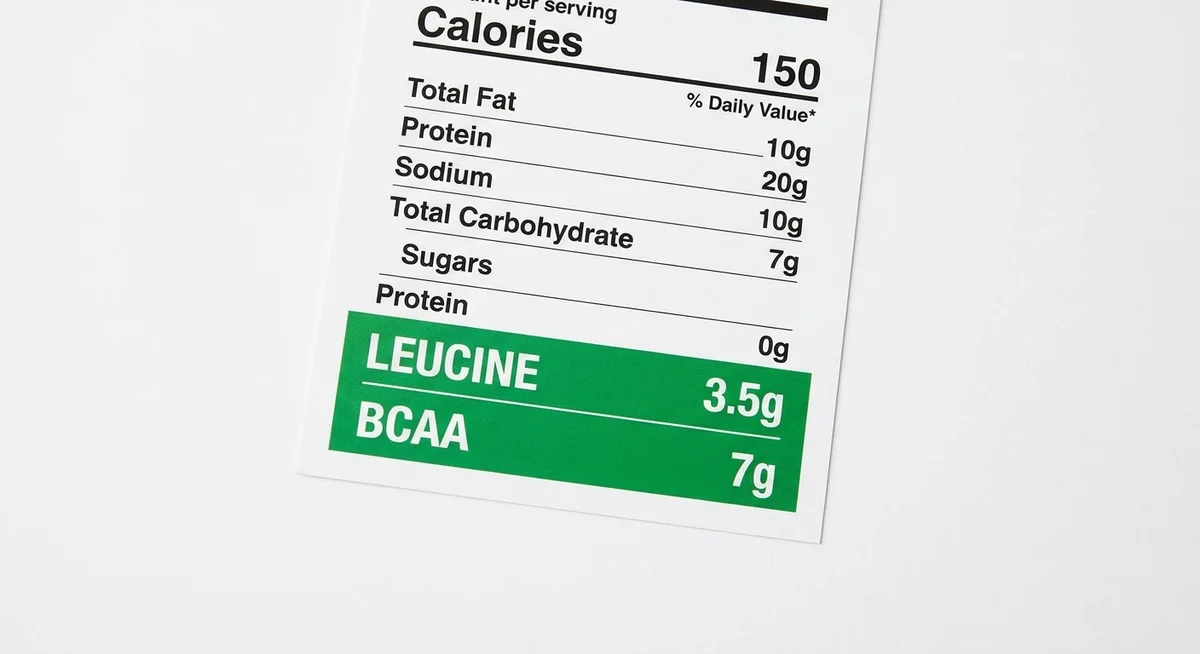
Practically, one to two scoops of most protein powders (depending on the serve size listed on the label) sits right in this range. Always check the actual protein grams per serve on the nutrition panel rather than assuming by scoop size. The article on how to read a protein powder nutrition label explains exactly what to look for and what the numbers mean.
Can plant protein support recovery as well as whey?
Yes, with one important condition: the dose needs to be higher. Because most individual plant proteins have a lower leucine concentration per gram than whey, you need a larger serve (often 35 to 40 g rather than 25 to 30 g) to cross the leucine threshold that reliably triggers MPS. Blended plant proteins, typically pea combined with rice or sunflower, cover a fuller amino acid profile and perform better than single-source plant proteins alone. A 2019 study in Sports found that pea protein produced equivalent gains in muscle thickness to whey over 12 weeks of resistance training when doses were matched for leucine content.
For a thorough side-by-side comparison of how plant and whey proteins perform across different goals, read the full plant protein vs whey guide.
Frequently asked questions
Is it better to have protein before or after training for recovery?
Both windows contribute. Pre-workout protein raises circulating amino acids so your body can begin repair the moment training stress starts. Post-workout protein extends that repair signal. If you can only do one, post-workout is the more reliable choice for most people because it is harder to train on a full stomach than to eat straight after exercise.
Can I rely on whole foods instead of protein powder for recovery?
Absolutely. Chicken, eggs, Greek yoghurt, cottage cheese, fish, and legumes all supply the amino acids needed for muscle repair. Protein powder is a convenient supplement, not a replacement. If your diet already hits your daily protein target through whole foods, adding powder on top adds no extra recovery benefit.
Does protein powder help with delayed onset muscle soreness (DOMS)?
Partially. Adequate protein intake shortens the duration and reduces the severity of DOMS by giving your body the raw materials to complete repairs faster. It does not eliminate DOMS entirely, especially when you introduce new movements or ramp up training volume. Hydration, sleep, and progressive programming are equally important variables.
What if I train twice a day? Should I double my protein intake?
Total daily protein requirements do increase with training volume, but not by doubling. Spreading 2.0 to 2.2 g per kg of body weight across five to six meals or shakes throughout the day is more effective than front-loading it. A moderate protein serve (20 to 30 g) after each session, within the context of your daily total, is the practical approach for two-a-day athletes.
Find the best protein powder for your training goalsOur independent guide to Australia's top-rated protein powders, compared by ingredients, protein percentage, and value.