Protein Powder and Heart Health: What Cardio Lovers Need to Know

Protein powder is often sold as a muscle-building tool, but if your main training is running, cycling, swimming, or rowing, it still plays a real role in your results. The question is not whether you need protein, but how much, which type, and what to avoid if keeping your cardiovascular system healthy matters to you.
Key takeaways
- Cardio athletes need more protein than most people assume, often 1.4 to 1.7 g per kg of body weight per day.
- Whey isolate and plant-based blends are the most heart-friendly protein powder options.
- Saturated fat and added sugar in protein powders can quietly undermine an otherwise clean diet.
- Protein timing around cardio sessions affects recovery speed, not just muscle building.
- A single daily serve of a quality protein powder is unlikely to raise cardiovascular risk and may help lower it.
Do cardio athletes actually need extra protein?
Yes, and the amounts are higher than the old "just drink a shake if you lift" advice suggests. Endurance exercise breaks down muscle protein at a meaningful rate, particularly during sessions longer than 60 minutes. A 2011 position paper from the International Society of Sports Nutrition placed endurance athlete protein needs at 1.4 to 1.6 g per kg of body weight per day. For a 70 kg runner, that's around 100 to 112 g of protein daily, which is very hard to hit from whole food alone if you're also managing calorie intake or eating a plant-based diet.
Protein powder is the practical bridge. It adds 20 to 30 g of protein with minimal preparation, which helps you reach your target without adding a large volume of food to an already demanding training schedule.
Which protein powders are best for cardiovascular health?
Not all protein powders are equal when heart health is a specific concern. The protein source matters less than what else is in the formula. Here is a breakdown of the main options.
| Protein Type | Heart Health Considerations | Best For |
|---|---|---|
| Whey Isolate | Very low fat, low lactose, may help lower LDL cholesterol in some studies | Most cardio athletes; easy to digest post-session |
| Whey Concentrate | Slightly higher fat content; still a solid choice if the fat is unsaturated | Budget-conscious athletes without lactose sensitivity |
| Pea Protein | Cholesterol-free, no saturated fat; a 2021 study linked pea protein to modest blood pressure reduction | Plant-based athletes; anyone managing cholesterol |
| Soy Protein | Contains isoflavones with potential LDL-lowering effects; well-studied | Vegan athletes who want a complete amino acid profile |
| Collagen Protein | Low in essential amino acids; not a complete protein source | Joint support only; not suitable as a primary protein source |
| Mass Gainers | Often high in sugar and saturated fat; poor choice for heart health | Avoid if cardiovascular health is a priority |
What does the research say about protein and cardiovascular risk?
A 2020 review in the Journal of the American Heart Association found that replacing refined carbohydrates with protein (from food or supplemental sources) was associated with lower triglycerides and modestly improved HDL cholesterol. The effect was more pronounced with plant proteins, but whey also showed neutral to positive outcomes when the rest of the diet was balanced.
The concern some people carry about high protein intake damaging the heart comes from studies on red meat, where saturated fat and haem iron are the more likely culprits, not protein itself. A protein powder that is low in saturated fat and free of artificial additives does not carry the same risk profile as three servings of processed meat per day.
That said, extremely high protein intakes (above 3 g per kg per day) sustained over years have not been studied thoroughly in long-term cardiac outcomes. For cardio athletes, staying in the 1.4 to 1.7 g per kg range and getting most protein from whole foods is still the most evidence-backed approach. A daily protein powder serve slots in cleanly within that range.
Timing protein around cardio sessions
Post-session protein intake is where most cardio athletes see the biggest recovery benefit. After a run or cycling session, muscle protein synthesis is elevated for two to four hours. Consuming 20 to 30 g of protein within that window has been shown to reduce next-day soreness and speed up glycogen resynthesis when combined with carbohydrate.
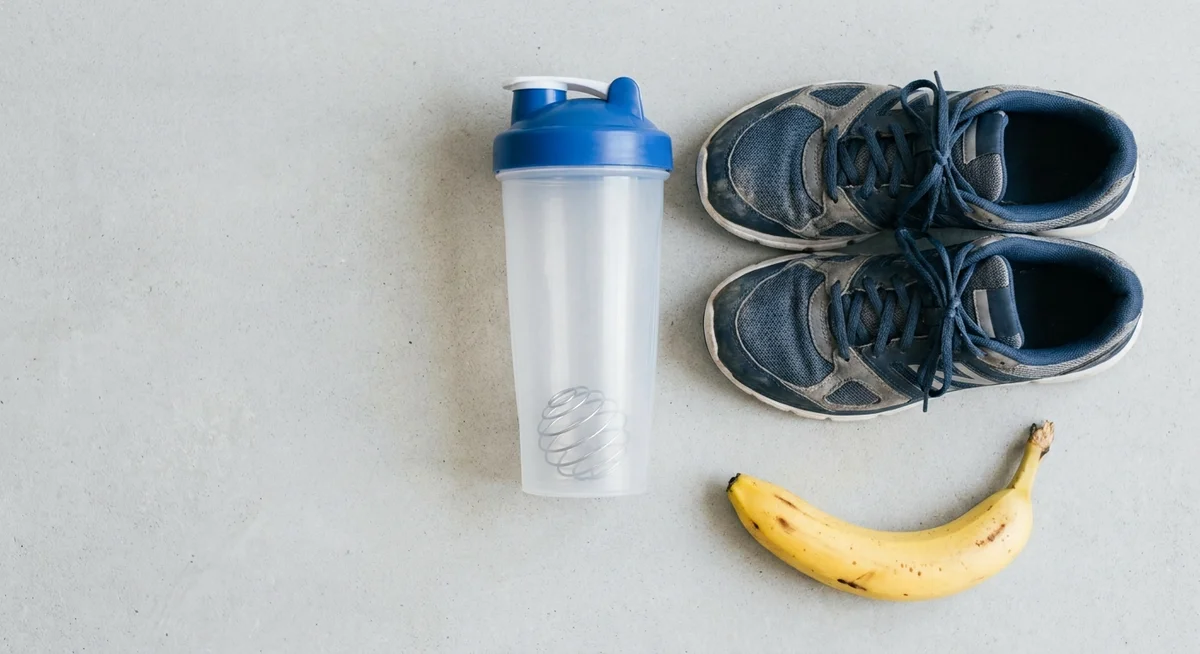
A practical routine: a shake with 25 g of protein and a piece of fruit (for fast carbs) within 30 to 45 minutes of finishing your session. If your sessions are in the morning and you train fasted, a small protein feed beforehand (10 to 15 g from a half-serve) can reduce muscle breakdown without compromising fat oxidation.
For guidance on how timing interacts with different training goals, the protein powder timing article covers the research in detail. If you're also managing body composition alongside your cardio training, the protein in a calorie deficit guide explains how to keep muscle while losing fat.
What to avoid on the label
For anyone prioritising cardiovascular health, a few ingredients are worth steering clear of:
- High fructose corn syrup or large amounts of added sugar. Even in a "healthy" protein product, 15 g of added sugar per serve adds up quickly across a week.
- Hydrogenated or partially hydrogenated oils. A red flag in any food product, but occasionally sneaks into flavoured protein bars and baked protein products.
- Artificial colours and preservatives. Not directly a cardiac risk, but a signal that the formula is not as clean as marketing suggests.
- Fillers that inflate the protein count. Amino spiking (adding cheap amino acids like glycine or taurine to inflate the nitrogen reading) means you get less actual protein per serve. The guide to reading protein powder labels shows exactly what to look for.
If you want a straightforward starting point, the protein powder buying guide narrows down the field by training goal, budget, and dietary preference.
Find a clean, heart-friendly protein powderSimple ingredients, transparent labels, and the protein content your cardio training actually needs.Frequently asked questions
Can protein powder raise blood pressure?
Standard whey and plant protein powders do not raise blood pressure in people with normal kidney function. Some research on pea protein specifically suggests a modest blood pressure-lowering effect. The main risk to blood pressure in protein powders comes from added sodium in flavoured formulas, so check the label if sodium is a concern for you. Aim for under 300 mg of sodium per serve.
Is plant protein better for the heart than whey?
Plant proteins, particularly pea and soy, have slightly more evidence for LDL-lowering effects, but the difference in practice is small. Whey isolate is close to fat-free and has a neutral to positive effect on blood lipids in most studies. The bigger cardiovascular variable is what else is in the formula: sugar, saturated fat, and sodium matter more than the protein source itself.
How much protein powder is too much for heart health?
Most research points to daily protein intakes up to 2 g per kg of body weight being safe for healthy adults, including cardiovascular outcomes. For cardio athletes, 1 to 2 serves of protein powder per day to supplement whole food intake is well within that range. If you are consuming more than 3 serves per day consistently, a conversation with a sports dietitian is worthwhile.
Should I take protein powder on rest days?
Yes. Muscle repair continues on rest days, and your daily protein target does not change with your training schedule. A single serve on a rest day supports recovery from the previous session. There is no cardiac reason to skip it, and maintaining consistent protein intake tends to produce better body composition outcomes than cycling high and low.