Protein Powder and Diabetes: How to Choose the Right One for Blood Sugar Control

If you have diabetes, protein powder can be a smart tool for managing appetite, preserving muscle, and stabilising energy between meals. But not every tub on the shelf works in your favour. Some are loaded with sugars, maltodextrin, and flavour syrups that push blood glucose higher than a chocolate bar. Picking the right one takes about five minutes of label reading once you know what to look for.
Key takeaways
- Protein itself has a minimal effect on blood sugar. The additives in a protein powder are usually the problem.
- Whey protein isolate and unflavoured plant proteins are the lowest-risk choices for people with diabetes.
- Watch for maltodextrin, dextrose, and high-glycaemic fillers hiding in flavoured blends.
- Protein consumed with or just before a meal can blunt post-meal glucose spikes, particularly in type 2 diabetes.
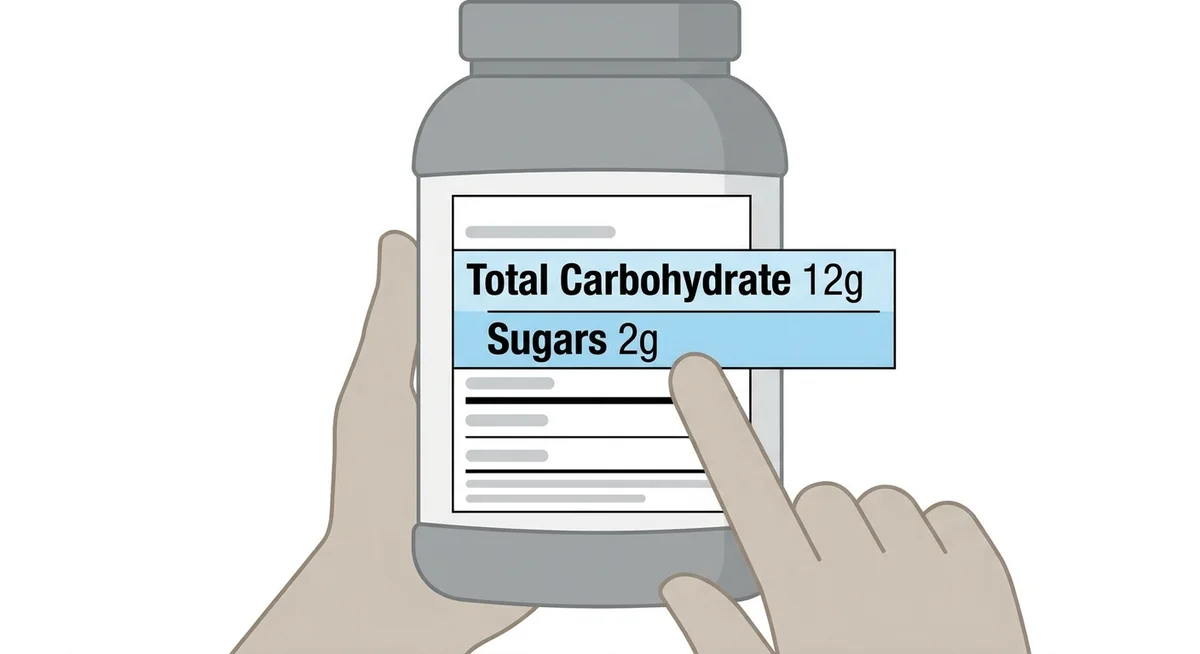
- Check total carbohydrate and sugar per serve, not just the protein percentage.
Does protein powder raise blood sugar?
Pure protein has a low glycaemic index and triggers only a mild insulin response. In isolation, a 30g serve of whey isolate containing less than 2g of carbohydrate will not meaningfully move your blood glucose. The issue is that most commercial protein powders are not pure protein. Flavouring systems, creamers, and texture agents add carbohydrates, and some of those carbohydrates are high-glycaemic. Maltodextrin, a common filler, has a glycaemic index higher than table sugar. If it appears in the first five ingredients, put the product back.
Research also shows that whey protein consumed immediately before a carbohydrate-rich meal can reduce post-meal glucose spikes by stimulating early insulin release. A 2017 study published in Diabetologia found that a small whey preload before breakfast significantly lowered 24-hour glucose levels in people with type 2 diabetes compared with a control group. This is a useful practical trick: a plain protein shake 15 to 20 minutes before your biggest meal of the day.
Which types of protein powder are safest for people with diabetes?
| Protein Type | Typical Carbs per Serve | GI Risk | Best For |
|---|---|---|---|
| Whey Isolate (unflavoured) | 0.5 to 2g | Very low | Post-workout, pre-meal preload |
| Whey Concentrate (unflavoured) | 3 to 6g | Low | General use, budget-friendly |
| Casein (unflavoured) | 3 to 5g | Low | Slow-release overnight or between meals |
| Pea Protein (unflavoured) | 1 to 3g | Low | Plant-based, dairy-free option |
| Flavoured mass gainers / blends | 30 to 80g | High | Avoid if managing blood glucose |
Whey isolate is filtered to remove most of the lactose (the naturally occurring sugar in milk), leaving a product that is typically 90 percent or more protein by weight. For people with diabetes this makes it the most predictable choice. If you are lactose intolerant or prefer to avoid animal products, an unflavoured plant-based protein blend combining pea and rice delivers a complete amino acid profile with similarly low carbohydrate counts.
How much protein do people with diabetes actually need?
General protein guidelines apply to most people with diabetes who do not have kidney disease. Around 1.2 to 1.6g of protein per kilogram of body weight per day supports muscle maintenance and satiety. For a 75kg person that is 90 to 120g daily. Because whole food sources often fall short at breakfast, a protein powder can fill a real gap, particularly at the morning meal when glucose management tends to be most sensitive.
People with diabetic nephropathy (kidney complications from diabetes) should speak to a dietitian before increasing protein intake. High protein diets are not recommended in that context, and the guidance in our kidney health article covers that nuance in detail.
Sweeteners: which ones are safe and which to watch
Most diabetes-friendly protein powders use artificial or natural non-nutritive sweeteners in place of sugar. These have little to no effect on blood glucose for most people. Stevia, monk fruit, and erythritol are well-tolerated by the majority of people with diabetes. Sucralose and acesulfame potassium are more controversial, with some research suggesting they may affect insulin sensitivity in certain individuals, though the evidence is not conclusive. If you notice glucose variability after switching to a new flavoured powder, the sweetener blend is worth investigating.
The safest path for blood sugar certainty is unflavoured protein with your own additions: a handful of frozen berries, a spoon of nut butter, or a pinch of cinnamon. You control every ingredient and there are no hidden carbohydrates.
Practical ways to use protein powder with diabetes
- Pre-meal preload: Mix 20 to 25g of whey isolate in water and drink it 15 minutes before a carbohydrate-containing meal to blunt the glucose spike.
- High-protein breakfast: Blend unflavoured protein with Greek yoghurt, berries, and chia seeds for a meal that slows gastric emptying and keeps glucose stable through the morning.
- Post-exercise recovery: Exercise lowers blood sugar, and a protein shake after training helps rebuild muscle without adding significant carbohydrate. Understanding when to take protein around workouts makes this even more effective.
- Between-meal snack: A small protein shake mid-afternoon reduces hunger and can prevent the overcorrection eating that drives late-day glucose spikes.
Frequently asked questions
Can people with type 1 diabetes use protein powder?
Yes. The considerations are the same: choose low-carbohydrate formulas and account for any carbohydrate content in your insulin dosing. Some people with type 1 diabetes find that large protein doses (50g or more) cause a delayed glucose rise a few hours later due to gluconeogenesis. Start with smaller serves of 20 to 25g and monitor your response over a few days before settling on a routine.
Is whey protein better than plant protein for blood sugar control?
Both can work well when chosen carefully. Whey isolate has a slight edge on stimulating early insulin release, which is useful as a pre-meal preload. Unflavoured pea and rice blends are similarly low in carbohydrate and a strong option for anyone avoiding dairy. The brand and formulation matter far more than the protein source itself.
Can protein powder replace a diabetes medication?
No. Protein powder is a food, not a therapeutic drug. It can support glucose management as part of a balanced diet, but it does not replace prescribed medication or the advice of your endocrinologist or GP. Think of it as a dietary tool that works alongside your current management plan.
What should I look for on the label when buying protein powder for diabetes?
Prioritise: total carbohydrate under 5g per serve, no maltodextrin in the first five ingredients, protein content of 20g or more per serve, and a short ingredient list. Unflavoured varieties give you the most control. Check our guide to reading protein powder labels for a step-by-step walkthrough of every line item.
Find the Best Protein Powder in AustraliaOur full breakdown of the top-rated options across every category, with honest label analysis.