Protein Powder and Kidney Health: What the Research Actually Shows
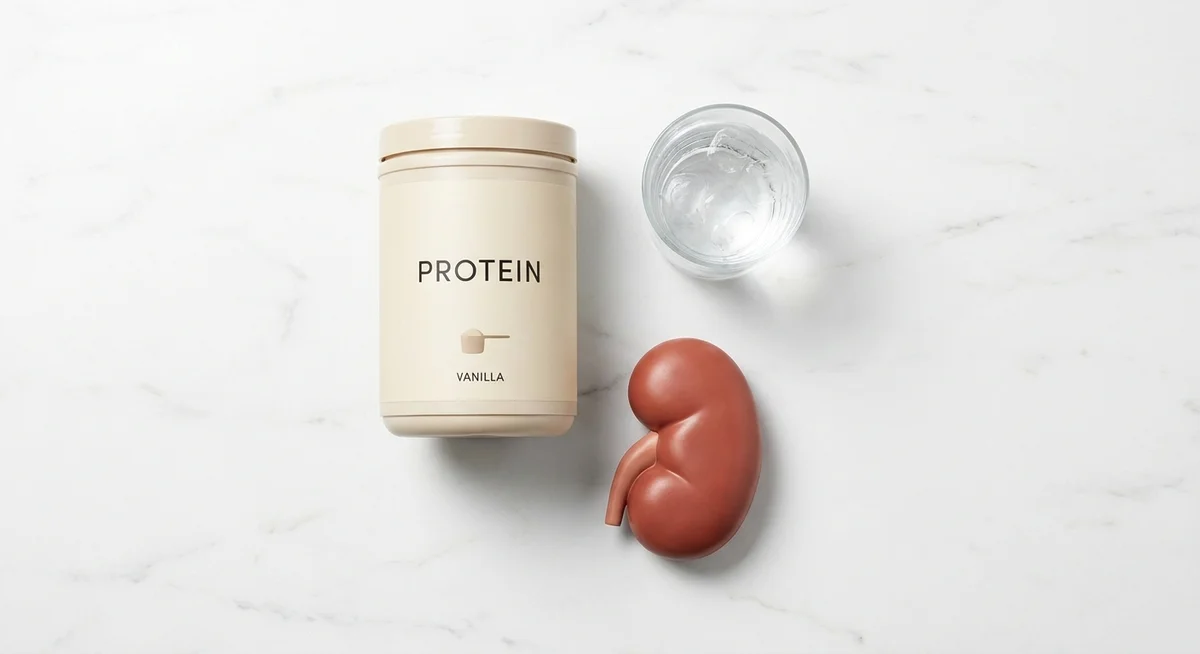
The fear is common: eat too much protein and you will wreck your kidneys. You will hear it from concerned relatives, read it in fitness forums, and occasionally see it repeated by people who should know better. But when you trace that claim back to the actual evidence, the picture is far more nuanced than the warning suggests. Here is what the research says, who genuinely needs to be careful, and how to use protein powder without unnecessary worry.
Key takeaways
- High protein intake does NOT damage healthy kidneys. Decades of research on athletes support this.
- People with existing chronic kidney disease (CKD) need medical guidance on protein, because restriction may be warranted in some stages.
- Staying well hydrated matters more than limiting protein for most people.
- The type of protein (whey, plant, casein) does not meaningfully change the kidney story for healthy adults.
- Routine blood and urine tests give you real data. Worrying without them is guesswork.
Where did the "protein hurts kidneys" idea come from?
The claim has a legitimate origin. Doctors have long known that people with advanced chronic kidney disease (CKD) often benefit from eating less protein, because damaged kidneys struggle to clear the byproducts of protein metabolism, particularly urea and creatinine. That clinical observation got stretched into a general population warning, which is where the logic breaks down.
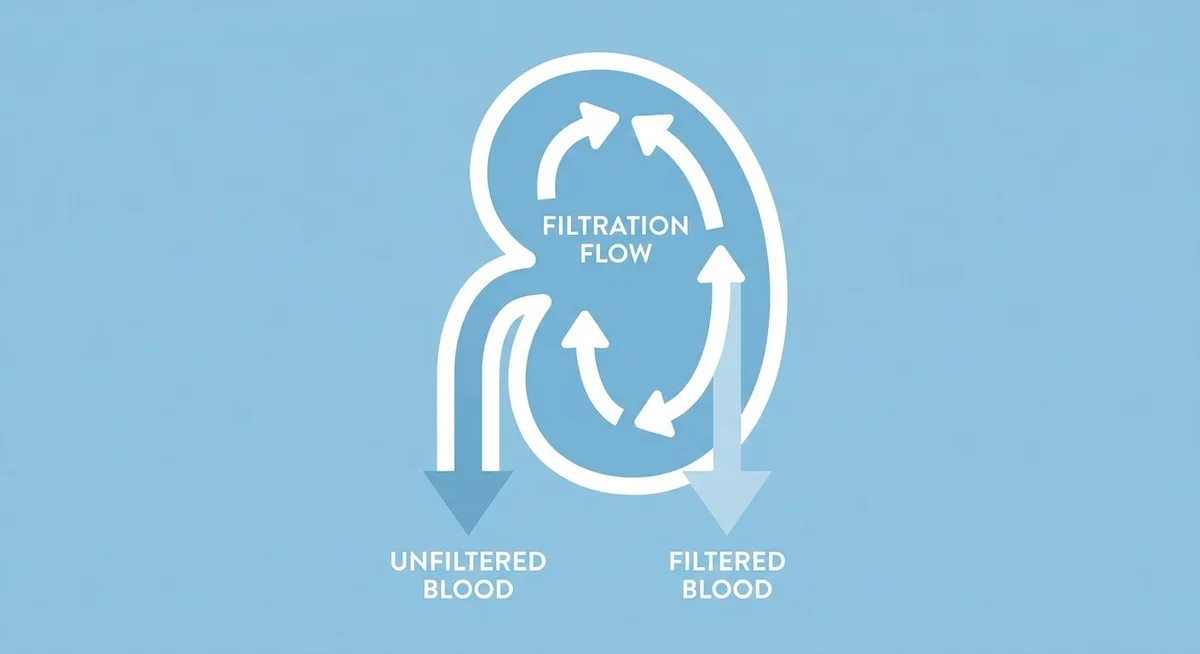
Studies in the 1980s and 1990s noted that high protein intake increases the kidney's filtration rate (called GFR, or glomerular filtration rate). That observation was misread as evidence of damage. But a higher GFR in a healthy kidney is simply the organ doing more work, the same way your heart rate rises during a run. It is a functional adaptation, not a sign of injury.
What does the evidence actually say for healthy adults?
A 2020 review published in the Journal of Nutrition and Metabolism looked at over 28 controlled studies on high protein diets in healthy individuals. The conclusion: no adverse effects on kidney function were found, even at intakes well above the standard recommended daily amount.
A separate long-term study following competitive athletes consuming 2.5 to 3.3 grams of protein per kilogram of body weight daily found no deterioration in kidney markers over the study period. For context, that is roughly double or triple what most non-athletes eat.
The key word throughout this research is healthy. These findings apply to people with kidneys that are working normally. If you already have a diagnosed kidney condition, the rules change significantly (see the section below).
| Population | Protein intake concern? | What the evidence says |
|---|---|---|
| Healthy adults | No | High protein does not damage kidney function |
| Athletes eating 2+ g/kg/day | No | No adverse kidney markers in long-term studies |
| People with CKD stages 1-2 | Possibly | Discuss intake with a nephrologist; evidence is mixed |
| People with CKD stages 3-5 | Yes | Protein restriction is often medically recommended |
| People with one kidney | Probably not, but check | Studies suggest normal intake is generally safe; specialist review advised |
| Type 2 diabetics with nephropathy | Yes | Protein restriction may slow further kidney decline |
Who does need to be careful with protein powder?
If you fall into one of the higher-risk groups below, protein intake is worth a conversation with your GP or a nephrologist, not a reason to panic, but definitely a reason to get personal guidance rather than following generic advice.
Groups that need medical guidance
- Diagnosed chronic kidney disease (any stage)
- Diabetic nephropathy (kidney damage from diabetes)
- History of kidney stones (especially calcium-oxalate type)
- Single functioning kidney
- Regular use of NSAIDs like ibuprofen combined with very high protein
- Uncontrolled high blood pressure with no prior kidney screening
Groups where standard protein use is fine
- Healthy adults of any age with no kidney diagnosis
- Athletes and gym-goers using protein powder daily
- People over 50 trying to maintain muscle mass
- Women during pregnancy with normal kidney function (follow OB guidance on total intake)
- People who have had routine blood work showing normal creatinine and eGFR
Does the type of protein powder matter?
Whey, casein, pea, rice, and hemp protein are all broken down into amino acids before your kidneys ever see them. From a kidney metabolism standpoint, the source matters very little for healthy people. The one exception worth noting is that some plant proteins, particularly soy and spinach-based blends, are higher in oxalates, which can contribute to kidney stones in people who are prone to them. If you have a history of calcium-oxalate stones, this is worth discussing with your doctor.
If you are choosing a protein powder and want to understand what is actually in it, reading the nutrition label carefully will tell you more about additives, fillers, and ingredient quality than any front-of-pack claim will.
How to know your kidneys are actually fine
Rather than guessing based on your protein intake, get tested. A standard blood panel that includes serum creatinine and an estimated GFR (eGFR) gives you a real picture of kidney function. Many GPs include this in routine health checks, or you can request it specifically. A urine dipstick test checking for protein in the urine (proteinuria) adds another data point.
If both come back normal, you have no evidence-based reason to restrict your protein intake. If something flags, you have information you can act on with a specialist. Either way, you are making decisions based on facts rather than a fear that has been repeated so often it feels true.
For a broader look at how protein timing, total intake, and overall goals fit together, the protein powder buying guide covers the full picture without the noise. And if you are specifically building muscle or managing body composition, understanding how much protein you actually need per day will help you set a realistic target rather than defaulting to more-is-always-better.
Frequently asked questions
Can protein powder cause kidney stones?
For most people, no. Kidney stones are caused by a range of factors including dehydration, diet composition, genetics, and urine chemistry. High protein intake can mildly increase calcium and uric acid in urine, which matters for people already prone to stones. If you have had kidney stones before, talk to your doctor before significantly increasing protein intake, and prioritise staying well hydrated.
Is whey protein hard on the kidneys?
No, not in healthy individuals. Whey is one of the most studied protein sources on the planet. Multiple long-term trials in athletes consuming high amounts of whey protein show no negative changes to kidney function markers. The kidneys handle whey the same way they handle protein from chicken, eggs, or any other source.
Should I stop protein powder if my creatinine is slightly elevated?
Not necessarily, but get it properly evaluated. Creatinine levels can fluctuate based on hydration, muscle mass, and even what you ate before the test. High creatinine does not automatically mean kidney damage. A GP or nephrologist will look at your eGFR trend over time, not a single reading, to assess actual kidney health. Bring your supplement list to the appointment.
How much protein is too much for kidneys?
For healthy adults, current evidence does not identify a clear upper threshold where protein becomes harmful to kidney function. Most studies find no adverse effects up to 3.3 g per kilogram of body weight daily. Practically speaking, most people using protein powder for fitness goals are nowhere near that level. If you are consistently eating over 250-300 g of protein per day, routine blood work every 12 months is sensible insurance.
Looking for a clean, high-quality protein powder?See our vanilla protein powder: straightforward ingredients, no unnecessary fillers.