When to Take Protein Powder for Best Results
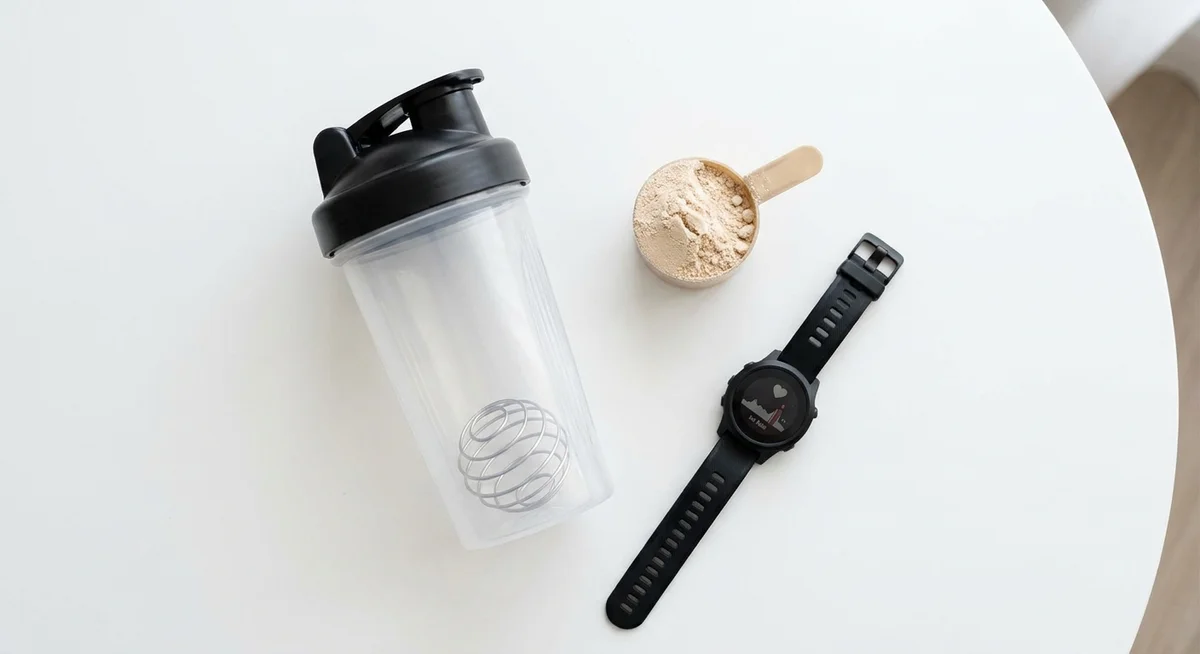
Protein powder timing is one of the most searched questions in sports nutrition, and the answer is more practical than most fitness influencers make it sound. The short version: total daily protein intake matters far more than the exact minute you drink your shake. That said, timing still plays a supporting role, and understanding it helps you build a routine that actually works for your goals and schedule.
Key takeaways
- Hitting your total daily protein target is the single biggest driver of results, ahead of timing.
- Post-workout protein (within 2 hours) supports muscle repair, but the "anabolic window" is wider than once thought.
- A protein shake in the morning is a practical way to front-load intake if you tend to under-eat early in the day.
- Casein protein before bed can support overnight muscle protein synthesis, especially on training days.
- Spreading protein across 3 to 4 meals or shakes per day tends to outperform eating it all in one sitting.
Does protein timing actually matter?
Timing has a real effect, just a smaller one than total intake. A 2013 meta-analysis in the Journal of the International Society of Sports Nutrition found that protein consumed around a workout supported muscle gain, but once researchers controlled for total daily protein, the timing advantage narrowed considerably. The practical takeaway: if you are consistently short on daily protein, fixing that will do more for you than obsessing over the clock.
Where timing becomes genuinely useful is in building consistent habits. Anchoring a shake to a specific moment in your day, whether that is before breakfast, right after training, or before bed, makes it far easier to hit your numbers. Consistency beats perfection.
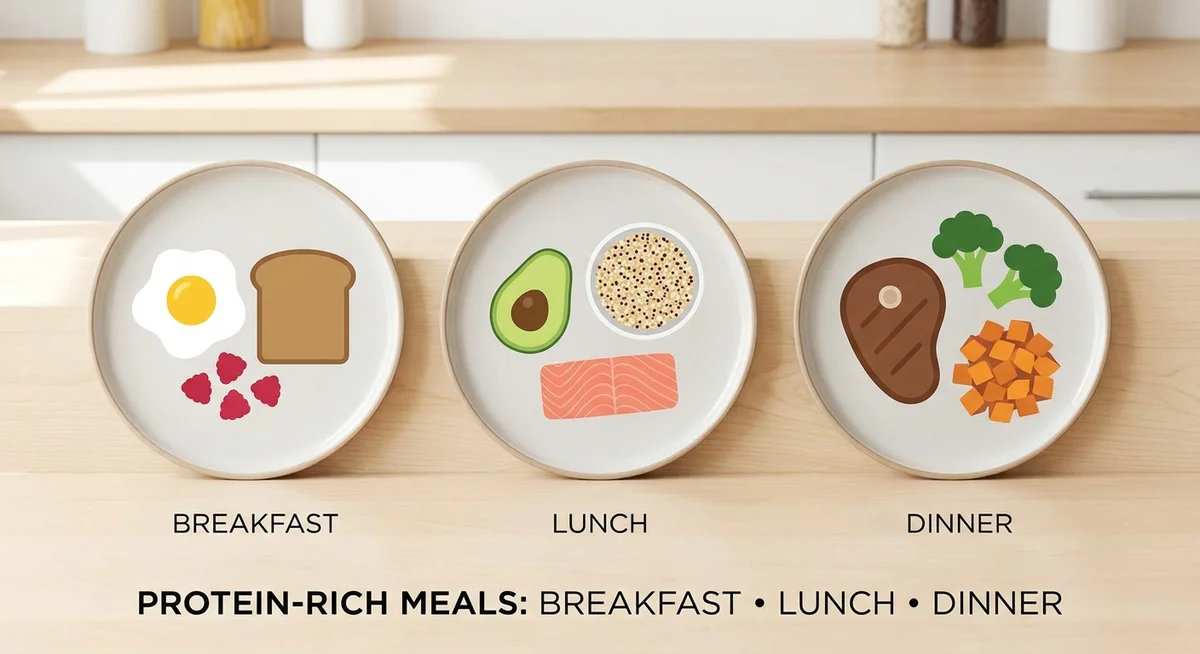
What is the best time to take protein powder?
The honest answer is: the time that fits your schedule reliably. But here is how the main options compare.
| Timing | Best for | Protein type | Evidence strength |
|---|---|---|---|
| Morning (with or instead of breakfast) | People who skip breakfast or eat low-protein mornings | Whey isolate, plant protein | Moderate |
| Pre-workout (30–60 min before) | Training fasted, or when a meal is 3+ hours away | Whey isolate, whey concentrate | Moderate |
| Post-workout (within 2 hours) | Muscle repair and recovery after resistance training | Whey isolate (fast-digesting) | Strong |
| Between meals | Reaching daily targets when food intake is low | Any protein powder | Moderate |
| Before bed | Overnight muscle protein synthesis | Casein (slow-digesting) | Moderate to strong |
Post-workout: the most studied window
Post-workout is the most well-researched timing window. After resistance training, your muscles are primed to absorb amino acids and begin the repair process. Consuming 20 to 40 grams of fast-digesting protein, typically whey isolate, within two hours of your session supports muscle protein synthesis. Research from Maastricht University found that this window is actually broader than the old "30-minute rule" suggested. If you miss the immediate post-session shake, a protein-rich meal within two hours is equally effective.
Morning protein: a genuinely underrated habit
Many Australians eat most of their protein at dinner and very little at breakfast. The problem with that pattern is that your body can only use a certain amount of protein per meal for muscle protein synthesis, roughly 0.4 grams per kilogram of body weight per sitting according to a 2018 paper in the Journal of the International Society of Sports Nutrition. What does not get used for muscle repair gets oxidised for energy or converted to glucose.
Front-loading with a protein shake at breakfast, or as part of it, spreads your intake more evenly and helps you hit your daily target before the day gets away from you. This matters most for people who need 120 grams or more per day and struggle to reach that figure through meals alone.
Before bed: the case for casein
Overnight is the longest fasting period most people experience. Studies by Maastricht University researcher Luc van Loon have shown that consuming 40 grams of casein protein before sleep increases muscle protein synthesis rates overnight compared to a placebo. Casein forms a gel in the stomach and releases amino acids slowly over six to eight hours, making it a natural fit for the overnight window. Whey digests too quickly to have the same sustained effect.
If you regularly train in the evenings, adding a casein shake before bed is one of the few timing strategies with a meaningful, independent benefit on top of adequate daily protein. If you already eat a large protein-rich dinner close to bed, the added benefit diminishes.
How much protein per shake?
Most research points to 20 to 40 grams per serving as the effective range for stimulating muscle protein synthesis in adults. Going above 40 grams in a single serving does not appear to offer proportionally greater muscle-building benefit, though larger individuals and older adults (who have a blunted muscle protein synthesis response) may benefit from the higher end of that range. When choosing a protein powder, check the nutrition label carefully to confirm actual protein content per serve, not just what the front of the tub claims.
When timing helps most
- You train fasted in the morning
- You struggle to reach your daily protein target
- You train intensely 4+ days per week
- You are in a calorie deficit and want to preserve muscle
- You are over 50, where muscle protein synthesis is slower
When timing matters less
- You already hit your daily protein goal consistently
- You eat a high-protein meal within 2 hours of training
- You train recreationally 2 to 3 days per week
- You are focused on general health rather than muscle gain
- Your diet is already well-distributed across meals
Frequently asked questions
Should I take protein powder before or after a workout?
Post-workout is the most studied window and has consistent evidence behind it, but pre-workout protein is equally effective if a meal is not possible beforehand. The practical rule: have protein within two hours either side of your session, whichever fits your routine. The difference between the two is small; what matters is that you do it consistently.
Can I take protein powder on rest days?
Yes, and you should. Muscle repair continues for 24 to 48 hours after a training session, so hitting your daily protein target on rest days is just as important as on training days. A shake in the morning or between meals is an easy way to stay on track when you are not going to the gym.
Is it okay to have protein powder first thing in the morning on an empty stomach?
Perfectly fine for most people. Whey isolate in particular digests quickly and is well-tolerated on an empty stomach. If you find dairy-based protein causes bloating when eaten fasted, a plant-based option such as a pea-rice blend is a good alternative that is equally effective for muscle protein synthesis.
How many protein shakes a day is too many?
There is no universal ceiling, but most people do not need more than two shakes per day to reach their protein targets. Whole food sources of protein deliver additional nutrients, fibre, and micronutrients that a shake does not. Think of protein powder as a practical top-up to a solid diet, not a replacement for meals.
Find a protein powder worth takingRead our independent breakdown of vanilla protein powder, including what to look for on the label before you buy.