Protein Powder and Bone Health: What the Research Shows
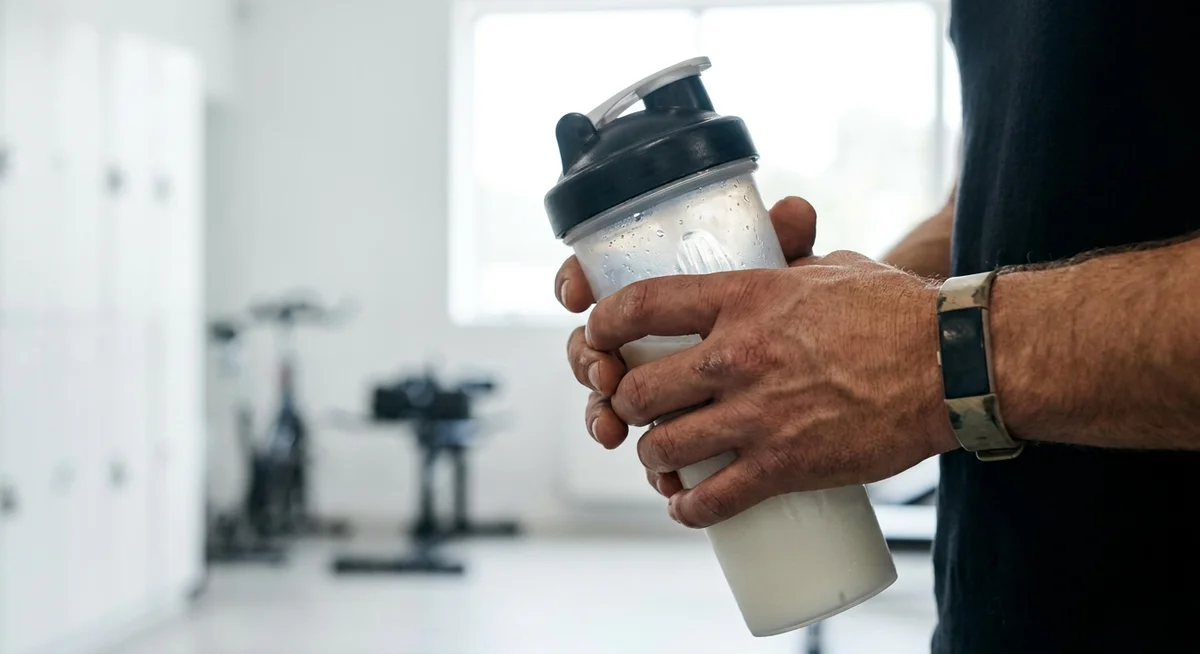
Protein powder supports bone density. For decades the prevailing worry was the opposite: that high protein intake leaches calcium from bones and raises fracture risk. The research has since moved on, and the picture it paints is clear. Adequate protein, including from supplements, is one of the more reliable levers for keeping your skeleton strong across every decade of life.
Key takeaways
- High protein intake is associated with greater bone mineral density, not reduced density.
- The "protein leaches calcium" hypothesis has been largely refuted by controlled trials.
- Older adults need more dietary protein to preserve bone mass, not less.
- Whey protein provides leucine and calcium, giving it a dual benefit for skeletal health.
- Plant-based protein powders can match whey for bone outcomes when micronutrient intake is adequate.
- Resistance training multiplies the bone benefit of protein supplementation.
Does High Protein Intake Hurt Bones?
The concern originated from a plausible-sounding mechanism: protein metabolism produces acid, kidneys excrete that acid, and calcium is drawn from bone as a buffer. Early observational studies seemed to support it. The problem is that those studies did not control for fruit and vegetable intake, which provide the alkaline load that actually neutralises dietary acid. Once researchers accounted for whole diet quality, the association flipped.
A 2017 systematic review and meta-analysis published in Osteoporosis International analysed 36 studies covering more than 86,000 participants. Higher protein intake was associated with a statistically significant reduction in hip fracture risk, not an increase. The authors concluded there was no credible evidence that protein harms bone mineral density when calcium intake is sufficient.
A follow-up position paper from the International Osteoporosis Foundation put a number to it: protein intakes of 1.0 to 1.2 g per kilogram of body weight per day in older adults were associated with better bone health outcomes, compared with the standard 0.8 g/kg recommendation.

How Does Protein Actually Benefit Bone?
Bone is roughly 50% protein by volume. Collagen fibres form the scaffolding that minerals crystallise onto. Without adequate amino acid supply, the body cannot repair micro-damage or build new bone matrix, regardless of how much calcium you eat. Protein also stimulates insulin-like growth factor 1 (IGF-1), a hormone that drives osteoblast (bone-building cell) activity.
Whey protein has a couple of specific advantages here. It is rich in leucine, the amino acid most responsible for triggering muscle protein synthesis, which matters because skeletal muscle mechanically loads and stimulates bone. A stronger, more active muscle pulls harder on the bone it attaches to, and bone adapts by becoming denser. Whey also contains naturally occurring calcium: roughly 120 to 160 mg per 30 g serve depending on the product, which is a meaningful contribution toward the 1000 to 1300 mg daily target most adults need.
| Protein Source | Leucine Content (per 25 g protein) | Calcium Contribution | Best For |
|---|---|---|---|
| Whey isolate | ~2.4 g | 120-160 mg | Fast absorption post-workout, dual protein + calcium hit |
| Casein | ~2.1 g | 200-300 mg (higher) | Overnight slow-release; highest natural calcium of the dairy proteins |
| Pea protein | ~1.8 g | Trace (fortified products vary) | Plant-based diets; pair with a calcium source |
| Soy protein | ~1.6 g | Trace (fortified products vary) | Plant-based; contains phytoestrogens that may offer modest bone benefit |
| Rice + pea blend | ~1.7 g (combined) | Trace | Complete amino acid profile; check for calcium fortification |
Who Benefits Most From Protein Supplementation for Bone Health?
Three groups have the most to gain.
Older adults (50+). Bone mass peaks around age 30 and declines steadily after that. The decline accelerates after menopause due to falling oestrogen, and after 70 in both sexes. Older adults also absorb dietary protein less efficiently, which means the target intake climbs at precisely the time when appetite often falls. A protein supplement is one of the most practical ways to close that gap without adding large volumes of food. The guide on protein powder and aging covers the broader context, but bone health is a central reason the research pushes higher intakes for this group.
People on plant-based diets. Animal proteins tend to arrive with co-factors that support bone: calcium, phosphorus, zinc, and vitamin D from fortified dairy. Plant-based eaters need to build those contributions from separate sources. A pea or soy protein powder that is fortified with calcium and vitamin D can help, but label-reading matters here. For a full breakdown of plant protein options, the vegan protein guide goes deeper on what to look for.
Athletes in weight-sensitive sports. Gymnastics, wrestling, long-distance running, and endurance cycling all carry elevated fracture risk, either through impact, low energy availability, or both. Stress fractures in particular are strongly associated with low protein intake. Getting enough protein through supplementation, alongside adequate calorie intake, is a key injury-prevention strategy in this population.
Does Resistance Training Change the Equation?
Substantially. Protein alone raises IGF-1 and supplies amino acids, but bone remodelling requires mechanical stimulus to direct where and how much new bone forms. Resistance training, particularly multi-joint loading movements like squats, deadlifts, and rows, creates the kind of strain that signals osteoblasts to get to work. The combination of adequate protein and regular resistance training produces better bone density outcomes than either intervention alone. Studies in postmenopausal women specifically show that whey protein supplementation alongside resistance training preserves hip and spine bone mineral density over 12-month periods, whereas neither alone consistently achieves the same result.
If your training is purely aerobic, adding some resistance work, even two sessions per week, meaningfully amplifies the bone benefit you are already getting from protein. The protein and weight training guide covers programme basics for those newer to lifting.
Practical Dosing for Bone Health
The target protein intake for bone health broadly aligns with muscle targets: 1.2 to 1.6 g per kilogram of body weight per day. For a 70 kg person that is 84 to 112 g of protein daily. A 30 g serve of protein powder covers roughly a quarter of that, making one shake per day a useful contribution rather than the whole strategy.
Calcium intake matters in parallel. If your diet is low in dairy, leafy greens, or fortified foods, pairing your protein goal with a calcium-rich whole food source (yoghurt, edamame, tofu, almonds) is worth the attention. Vitamin D is the other non-negotiable: without it, calcium absorption drops sharply regardless of intake.
Find the right protein powder for your goalsOur complete buying guide compares every major type so you can pick the one that fits your diet, budget, and body.Frequently Asked Questions
Does protein powder cause kidney stones or affect calcium excretion?
High protein diets do increase urinary calcium, which prompted early concern. However, the extra calcium in urine appears to come from improved intestinal absorption, not from bone breakdown. The net effect on bone calcium balance is neutral to positive. For healthy adults without pre-existing kidney conditions, there is no evidence that protein supplementation at normal doses causes kidney stones or depletes skeletal calcium.
Is whey better than plant protein for bone health specifically?
Whey has a modest advantage due to its higher leucine content and naturally occurring calcium. That gap narrows considerably when plant proteins are fortified with calcium and vitamin D, and when whole diet quality is high. The most important variable is total protein intake, not source. If you prefer plant-based protein, choose a fortified product and make sure calcium comes from somewhere in your daily diet.
How quickly can protein supplementation improve bone density?
Bone remodelling is slow. Studies that show measurable improvements in bone mineral density typically run 12 to 24 months. Short-term benefits show up earlier in markers like serum IGF-1 and bone turnover biomarkers, but a DEXA scan will not show dramatic change in a few weeks. Consistency over months and years is what drives results.
Should older adults take more protein than younger people for bone health?
Yes. Protein absorption efficiency declines with age, and anabolic resistance means older muscle and bone tissue responds less strongly to the same amino acid dose. Most researchers now recommend 1.2 to 1.6 g/kg/day for adults over 50, compared with 0.8 g/kg for younger sedentary adults. For active older adults, the higher end of that range is appropriate.