Protein Powder and Weight Training: How to Use It to Build Strength
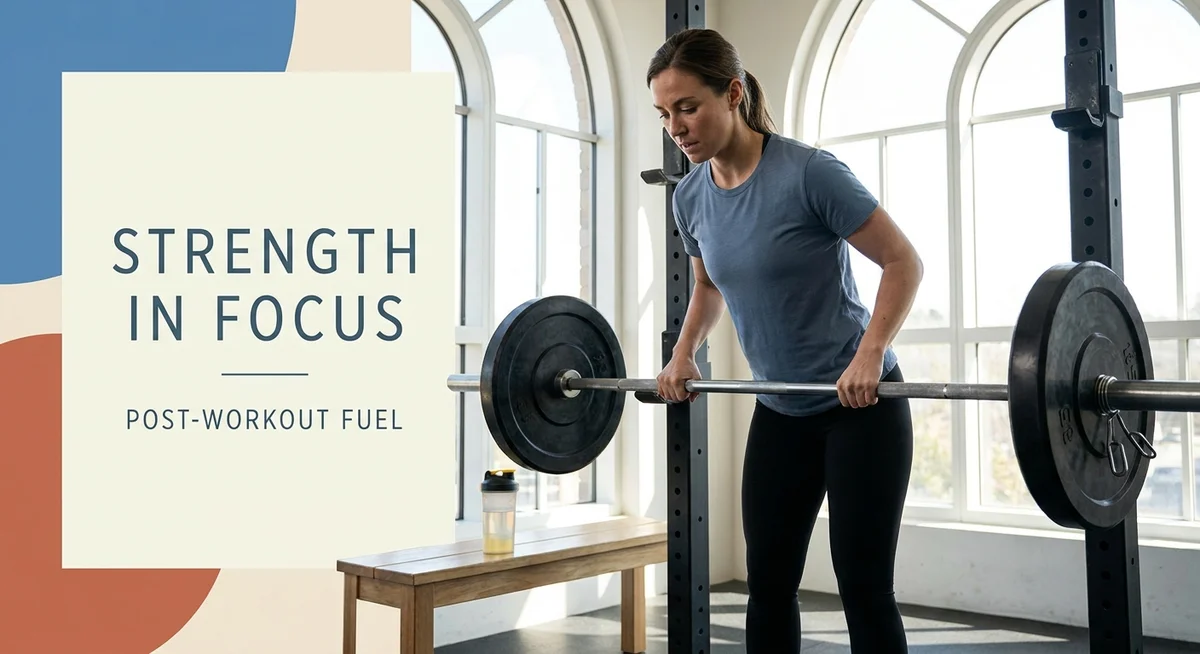
Protein powder does not build muscle on its own. Your training stimulus does that. What protein does is supply the raw material your muscles need to repair and grow after each session. Used at the right time, in the right amount, it genuinely accelerates the results you get from weight training. Used carelessly, it is just an expensive way to hit your daily kilojoule target.
Key takeaways
- Strength athletes need roughly 1.6 to 2.2 g of protein per kilogram of body weight per day.
- Consuming 20-40 g of fast-digesting protein within two hours of lifting supports muscle protein synthesis.
- Whey protein (isolate or concentrate) is the most evidence-backed choice for post-training use.
- Total daily protein matters more than any single timing window.
- Plant-based lifters can match whey results by combining complementary protein sources.
How much protein do weight trainers actually need?
The research here is consistent. Strength athletes require significantly more protein than sedentary adults. A 2017 meta-analysis published in the British Journal of Sports Medicine reviewed 49 trials and found that protein supplementation significantly increased muscle mass and strength gains, with benefits plateauing at around 1.62 g per kilogram of body weight per day. Most sports nutrition bodies now recommend 1.6 to 2.2 g/kg as the practical range, with the higher end applying during aggressive cutting phases or for advanced lifters.
For a person weighing 80 kg, that means 128 to 176 g of protein daily. Hitting that consistently from whole food alone is possible, but it takes planning. A quality protein powder closes the gap without requiring you to eat chicken at every meal.
When should you take protein powder around training?
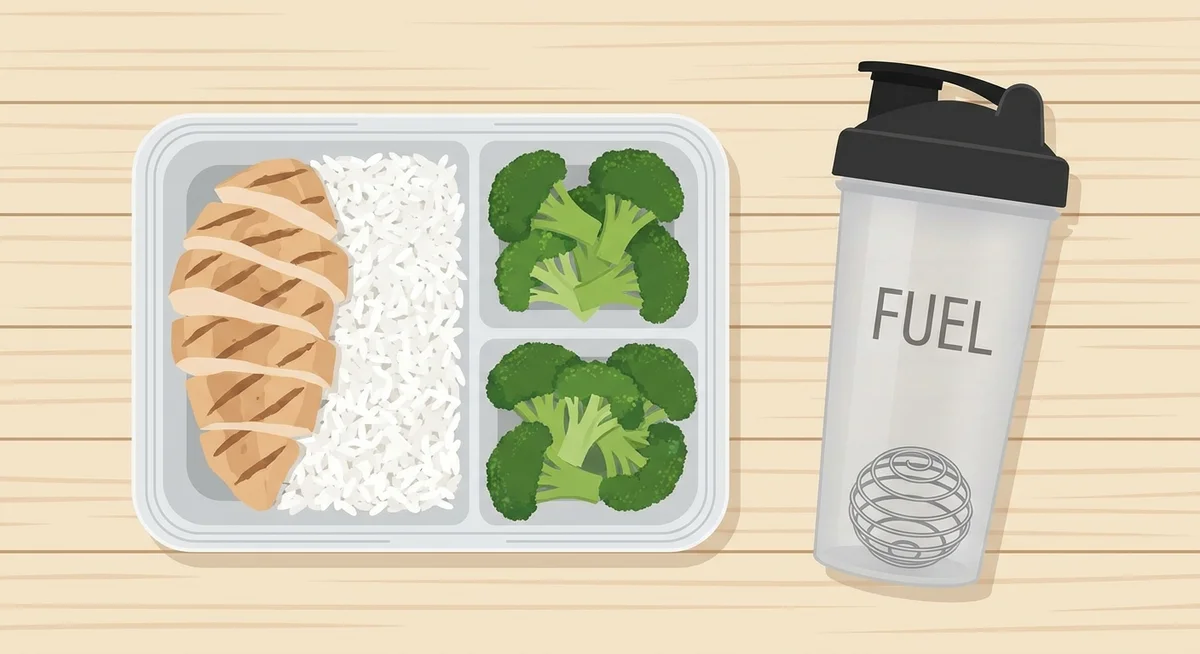
The old "anabolic window" idea — that you must drink a shake within 30 minutes of finishing a lift — has been revised considerably. Current evidence points to a broader window of around two hours post-training where muscle protein synthesis is elevated and receptive to amino acids. That said, if you trained fasted or it has been more than four hours since your last meal, sooner is genuinely better.
| Timing | Situation | Recommended action |
|---|---|---|
| Pre-training (60 min before) | Trained fasted, low appetite, early morning sessions | 20-30 g whey or a mixed protein blend |
| Post-training (within 2 hours) | Primary window for most lifters | 25-40 g fast protein (whey isolate preferred) |
| Between meals | Gap of 5+ hours between whole-food meals | 20-30 g to maintain amino acid availability |
| Before bed | Maximising overnight recovery and muscle repair | 30-40 g slow-digesting protein (casein) |
For a deeper look at how timing affects your results across the full day, the guide on when to take protein powder for best results covers each window in more detail.
Which protein powder works best for strength training?
Not all protein powders are equal for weight training goals. The key factors are leucine content (the amino acid that triggers muscle protein synthesis), digestion speed, and overall amino acid profile.
Whey protein
- Highest leucine content per gram of any common powder
- Fast-digesting — ideal post-training
- Complete amino acid profile
- Isolate suits lactose-sensitive lifters
- Widely available and cost-effective
Plant-based blends
- Pea + rice combos rival whey in leucine when dosed properly
- Better for those avoiding dairy or animal products
- Often lower in leucine per gram — dose slightly higher
- Added digestive enzymes help absorption
- Check that blends list amino acid profiles, not just protein grams
If you train hard four or more times per week, whey isolate is typically the most efficient choice. For a full breakdown of how whey and plant options compare, see the plant protein vs whey comparison.
Protein powder and progressive overload: getting the combination right
Protein powder supports training — it does not replace it. The muscle-building signal comes from progressive overload: consistently adding weight, reps, or difficulty to your sessions over time. Protein supplies the building blocks; your program supplies the blueprint.
A useful practical framework: aim to consume roughly a third of your daily protein target across three anchored eating occasions (breakfast, post-training, and dinner). Let your protein shake fill whichever of those windows is hardest to hit from whole food. This approach keeps amino acid levels elevated across the day without obsessing over timing.
Flavour and mixability also matter for consistency. A product you enjoy drinking after every session is one you will actually keep using. A quality vanilla protein powder mixes cleanly into a shaker with water or milk and is easy to add to oats, yoghurt, or a post-training smoothie when you want more calories.
Common mistakes lifters make with protein powder
- Doubling up unnecessarily. If your diet already hits 1.8 g/kg, adding two extra shakes just adds calories, not muscle.
- Ignoring total daily intake. One perfectly timed shake cannot compensate for a day where you barely hit 80 g of total protein.
- Choosing powder over whole food. Whole food sources bring nutrients, fibre, and satiety that powders don't. Powder is a supplement, not a replacement.
- Using the cheapest option regardless of label quality. Third-party tested powders with full amino acid disclosure are worth the small price premium. Know what you're buying — the guide on how to read a protein powder nutrition label shows you exactly what to look for.
Frequently asked questions
Can I build muscle without protein powder?
Yes. Protein powder is a convenience tool, not a requirement. Lifters who consistently hit their daily protein target from whole foods — meat, fish, eggs, dairy, legumes — build muscle just as effectively. Powder simply makes it easier and faster to reach high daily targets, particularly for people with limited appetite or a busy schedule.
How many protein shakes per day is too many?
There is no hard ceiling, but most people do not need more than one or two shakes per day. Beyond that, you are likely crowding out whole foods that supply nutrients your powder does not. If you find yourself relying on three or more shakes daily to hit your target, revisit your food choices rather than adding more powder.
Does protein powder help with fat loss during a cut?
Yes, in two ways. High protein intake preserves lean muscle during a caloric deficit, so more of the weight you lose comes from fat rather than muscle. Protein is also more satiating than carbohydrates or fat, which can make sticking to a caloric target easier. Aim for the higher end of the 1.6 to 2.2 g/kg range when cutting.
Is protein powder safe to take every day?
For healthy adults, daily protein powder use is well-established as safe. Concerns about kidney strain are unsupported by research in people with normal kidney function. If you have a pre-existing kidney condition, speak with your doctor before significantly increasing protein intake from any source.