Protein Powder Blends: How to Pick the Right Multi-Source Formula
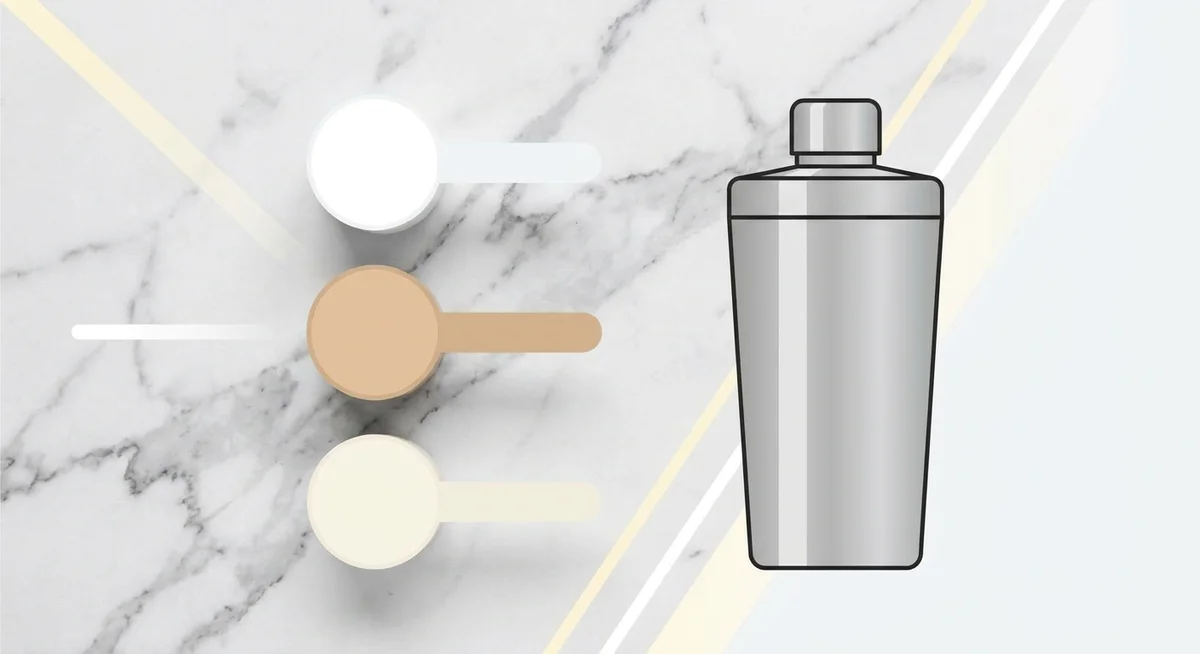
A protein blend is any powder that combines two or more protein sources in a single formula. The idea is practical: different proteins digest at different speeds, carry different amino acid profiles, and mix differently in liquid. A well-constructed blend can cover gaps that a single-source powder leaves behind. A poorly constructed one is just a cheaper label on a watered-down product. Knowing how to tell them apart saves money and gets better results.
Key takeaways
- Blends typically combine a fast-digesting protein (whey or egg white) with a slower one (casein, pea, or soy) to extend amino acid delivery.
- The first two ingredients on the label carry the most protein. Watch for cheap fillers pushed into third or fourth position to bulk up the blend weight.
- Complete amino acid profiles matter most for muscle protein synthesis. Check for leucine content above 2g per serve.
- Plant-pea-rice blends are the best-evidenced dairy-free option. Soy-only blends are also complete but polarise buyers.
- Price-per-gram of protein, not price-per-serve, is the only fair comparison number.
What actually goes into a protein blend?
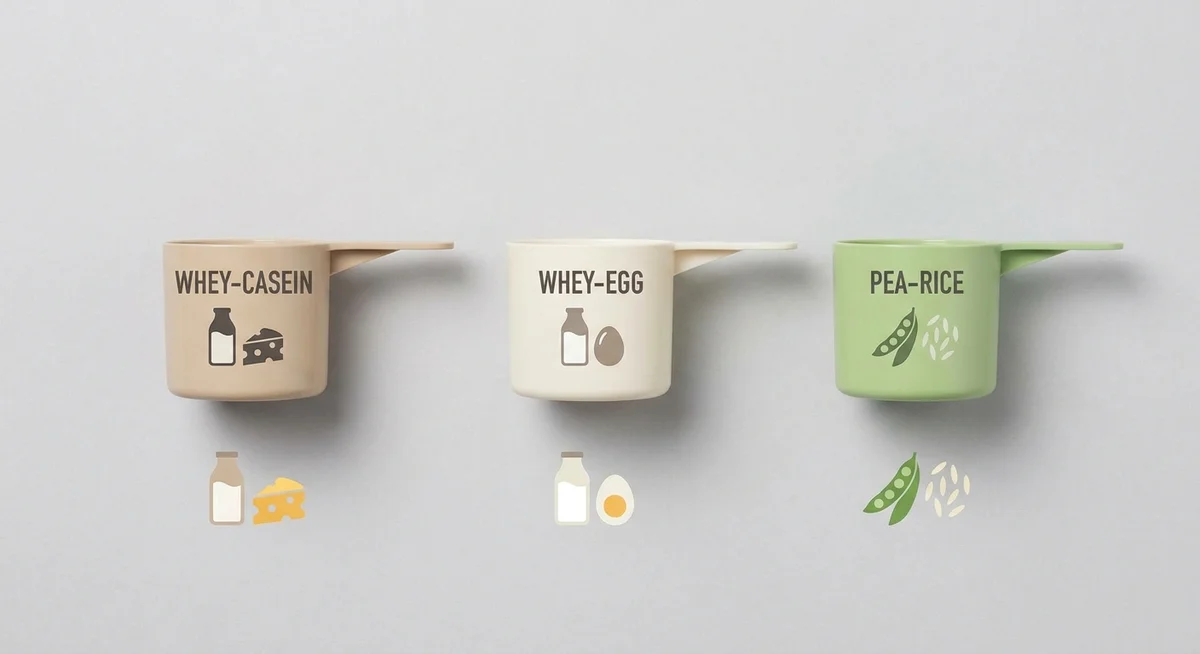
Most blends sold in Australia fall into one of three categories: whey-casein, whey-egg, or plant-based combinations. Each category has a different digestion curve and a different audience. The category you choose should follow your goal, your tolerance for dairy, and when during the day you plan to use it.
| Blend Type | Digestion Speed | Best Timing | Suits | Watch Out For |
|---|---|---|---|---|
| Whey + Casein | Fast + Slow | Post-workout or before bed | Muscle gain, overnight recovery | Lactose intolerance; thick texture |
| Whey + Egg White | Fast + Medium | Post-workout or between meals | Lean muscle, low-fat diets | Egg allergy; slightly higher cost |
| Pea + Rice | Medium | Any time of day | Vegans, dairy-free, endurance | Grittier texture; check leucine per serve |
| Pea + Soy | Medium | Any time of day | Plant-based, complete amino profile | Soy sensitivity; estrogenic concerns (often overstated) |
| Whey + Pea | Fast + Medium | Post-workout | Dairy-reducers, cost-conscious buyers | Lower-quality versions use pea as cheap filler |
How do you read a blend label without getting misled?
Ingredients are listed by weight, so the first protein on the label is the dominant one. If a product calls itself a "premium whey-casein blend" but casein appears fourth after two types of sugar, it is not a serious blend. Here is what to check before buying.
Protein per serve vs protein per 100g
A serve can be anything from 25g to 50g. The only honest comparison is protein per 100g of powder. Anything below 70g of protein per 100g is low quality for a concentrate blend; isolate-led blends should clear 80g. Check the nutrition panel, not the front-of-pack claim.
Leucine threshold
Leucine is the amino acid that triggers muscle protein synthesis. Research consistently points to 2-3g of leucine per serve as the minimum effective dose. Whey is naturally high in leucine; plant proteins are lower, which is one reason plant blends need a higher total protein per serve to achieve the same anabolic effect. If the label does not list leucine separately, check the full amino acid breakdown, which reputable brands publish online.
Proprietary blends and hidden ratios
Some brands list a "protein matrix" with a combined weight but no individual source weights. This hides whether you are getting 60% of the more expensive ingredient or 10% of it. When a brand withholds the breakdown, assume the ratio favours the cheapest source. Transparent brands list exact percentages or weights for each component.
Which blend type suits which goal?
The best blend is the one you use consistently. Taste and texture compliance matters as much as amino acid chemistry. That said, goal alignment shortens the decision.
Building muscle: A whey-casein blend with at least 25g protein per serve and 2.5g+ leucine covers both the immediate post-workout window and the slower overnight delivery period. Use it post-training or as a last meal of the day. For more detail on timing, see the guide on whether protein timing actually matters.
Losing fat while keeping muscle: A lower-carb whey-egg blend sits well in a calorie deficit because egg white protein is very low in fat and carries a strong satiety effect. Pair it with a high-protein diet overall rather than treating the powder as a shortcut. The article on using protein powder in a calorie deficit covers the numbers in depth.
Plant-based goals: A 70/30 or 60/40 pea-rice blend by weight gives a complete essential amino acid profile that rivals whey on a gram-for-gram basis, provided you take a serve of 30g or more. Brands that add leucine as a standalone ingredient to their plant blend are worth the slightly higher price tag. The full breakdown of the dairy-free side of the market is in the guide to protein powder for vegans.
Digestive sensitivity: A blend that pairs whey isolate with a plant source tends to sit easier than a straight whey concentrate because the isolate step removes most lactose. If sensitivity is your primary concern, a pea-rice blend removes the dairy question entirely. The guide on protein powder and gut health covers what to look for on the label.
Find the right protein powder for your goalAustralia's independent protein powder guide compares types, brands, and labels in one place.Frequently asked questions
Is a protein blend better than a single-source protein?
For most people, a well-formulated blend offers a practical advantage: faster amino acids from whey or egg white cover the post-workout window, while the slower component extends delivery over the next few hours. Whether that translates to meaningfully more muscle depends on total daily protein intake more than the blend itself. A single-source powder at an adequate daily dose still works fine.
Can you mix your own blend instead of buying a pre-made one?
Yes, and it often works out cheaper. Buying a tub of whey isolate and a tub of micellar casein separately, then combining them in your shaker at a 70/30 ratio, gives you full control over the ingredient quality and the ratio. The main downside is managing two containers and the slightly rougher texture of hand-mixed powders versus products specifically formulated to blend smoothly.
Are protein blends safe to take every day?
For healthy adults, yes. The safety concerns around protein supplements centre on total daily intake, not the blend format. Most research suggests up to 2.2g of protein per kilogram of body weight per day is safe for healthy people. Blends carry no unique risk; the key is treating them as a supplement to whole food, not a replacement for it.
How long does a 1kg tub of protein blend last?
At one 30g serve per day, a 1kg tub delivers roughly 33 serves, just over a month. At two serves per day, that halves to about 16 days. Price-per-serve comparisons between brands should account for actual serve size in grams, not the number printed on the front of the tub, since some brands use a 40g serve to inflate the protein-per-serve number while reducing serve count.