Protein Powder and Gut Health: How to Choose a Formula Your Digestion Can Handle
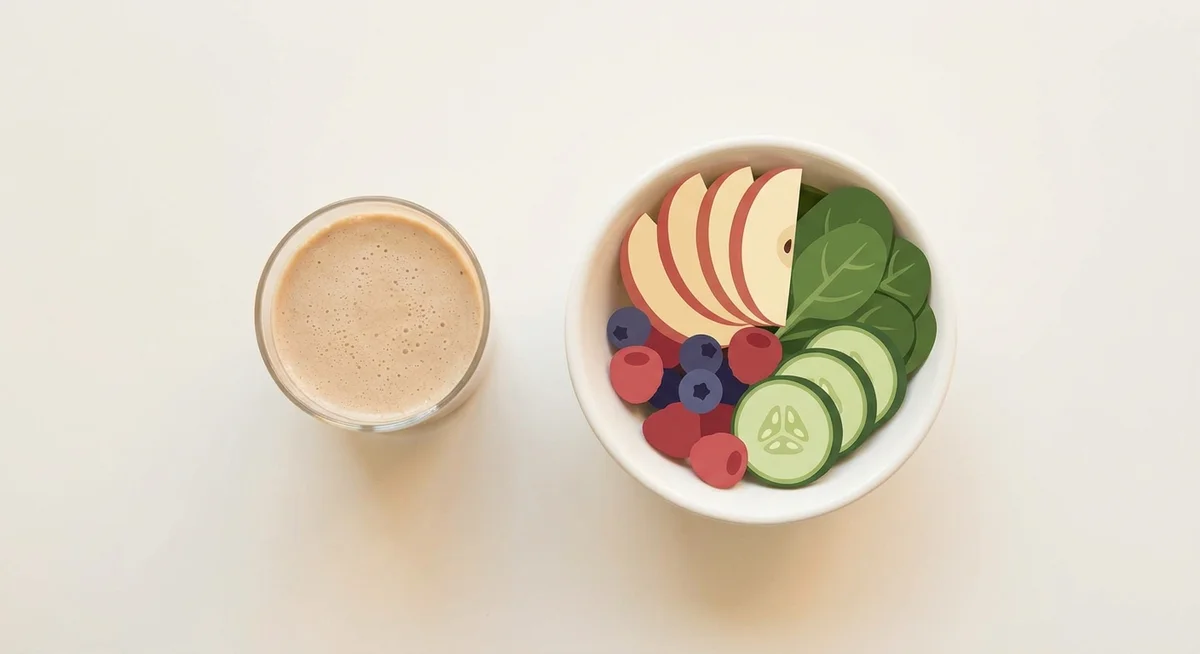
Protein powder can do a lot of good — but pick the wrong type and you'll spend more time feeling bloated than building muscle. Digestive side effects are one of the most common complaints about protein supplements, and they're almost always avoidable once you understand why they happen and which protein types are easiest on your gut.
Key takeaways
- Lactose in whey concentrate is the most common cause of bloating and gas from protein powder.
- Whey isolate removes most of the lactose and is better tolerated by people with sensitive stomachs.
- Plant proteins (pea, rice, hemp) are naturally lactose-free but can cause bloating in some people due to fibre and oligosaccharides.
- Digestive enzymes added to a formula can reduce side effects across all protein types.
- Artificial sweeteners — especially sugar alcohols — are a hidden source of gut discomfort.
Why does protein powder cause digestive problems?
Digestive discomfort from protein powder usually traces back to one of four culprits: lactose, certain artificial sweeteners, fibre and fermentable carbohydrates, or simply consuming too much protein too quickly. Identifying which one is affecting you is the fastest way to fix the problem without abandoning protein supplementation altogether.
Lactose is the most common offender. Standard whey concentrate typically retains 4–8% lactose by weight. For the estimated one in three Australians with some degree of lactose intolerance, even that relatively small amount is enough to trigger cramping, gas, or loose stools. The fix is straightforward: switch to whey isolate, which is processed more thoroughly and contains less than 1% lactose, or move to a completely dairy-free protein source.
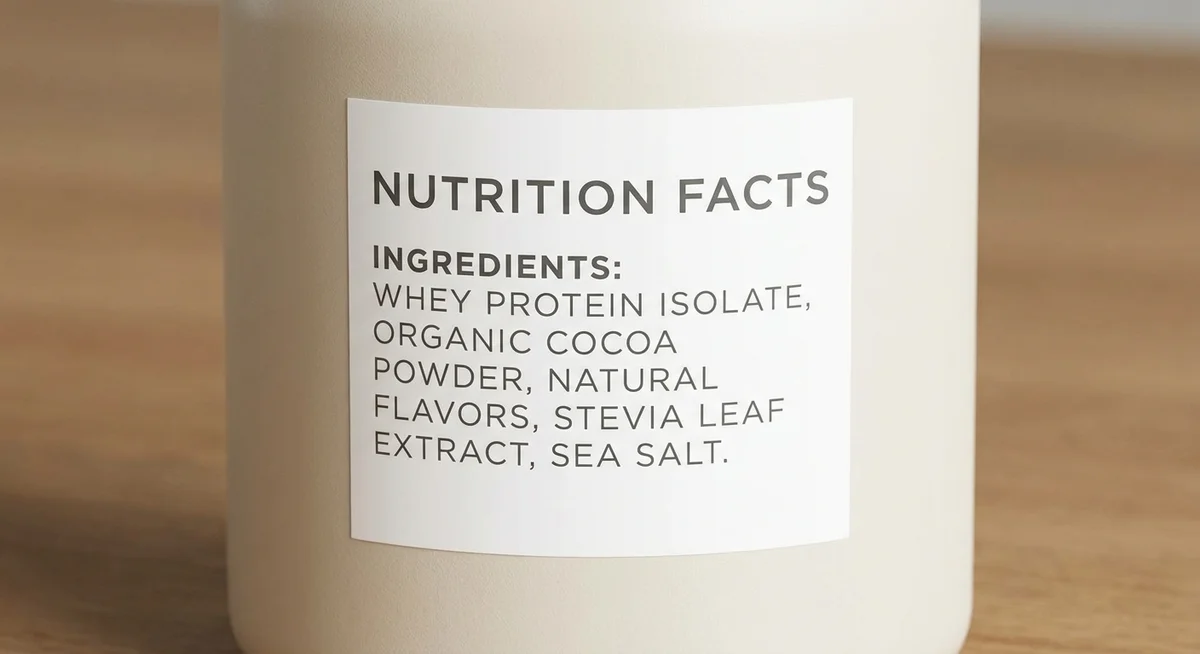
Artificial sweeteners are the second most overlooked trigger. Many protein powders use sugar alcohols like sorbitol, maltitol, or xylitol to keep the calorie count low. These pass through the small intestine largely undigested and are then fermented by gut bacteria, producing gas. Sucralose and acesulfame potassium (ace-K) are less problematic for most people but can alter gut bacteria composition with long-term use, according to some early research. If you're reacting to a protein powder you'd otherwise expect to tolerate, check the ingredient list for any sweetener ending in "-ol".
How do different protein types compare for gut tolerance?
Not all proteins put the same demand on your digestive system. The table below summarises how the main types stack up for people with sensitive guts.
| Protein Type | Lactose-Free? | Digestion Speed | Common Gut Issues | Best For |
|---|---|---|---|---|
| Whey Concentrate | No (4–8% lactose) | Fast | Bloating, gas, cramps in lactose-sensitive people | People without lactose sensitivity |
| Whey Isolate | Near-zero (<1%) | Fast | Minimal — well tolerated by most | Sensitive stomachs wanting whey |
| Casein | Low (less than concentrate) | Very slow | Heaviness, bloating if intolerant | Overnight use; avoid if dairy-sensitive |
| Pea Protein | Yes | Moderate | Gas from oligosaccharides in sensitive individuals | Most plant-based eaters |
| Rice Protein | Yes | Moderate | Very low — among the most gut-friendly options | People with multiple food sensitivities |
| Hemp Protein | Yes | Moderate | High fibre can cause loose stools at large doses | People who want added fibre alongside protein |
| Soy Protein | Yes | Moderate | Bloating possible; soy allergy risk | Those without soy sensitivity |
| Egg White Protein | Yes | Moderate-fast | Generally well tolerated; egg allergy risk | Dairy-free athletes wanting animal protein |
What should you look for in a gut-friendly protein powder?
Once you've narrowed down the protein type that suits your tolerance, a few label-reading habits will help you pick the best formula within that category.
Look for added digestive enzymes. Brands that add protease, lactase, or a blend like DigeZyme to their formulas make a meaningful difference for people who struggle with protein digestion generally. Protease breaks down protein peptides before they reach your large intestine, reducing fermentation and the gas that comes with it. Lactase helps break down any residual lactose. If your current powder isn't causing outright intolerance symptoms but still leaves you feeling heavy, a formula with enzymes is worth trying before you switch protein sources entirely.
Avoid long lists of sugar alcohols. A protein powder with one sweetener — stevia, monk fruit, or sucralose — is generally lower risk than one combining multiple sweeteners and thickening agents. Inulin and chicory root are common fibre additives that sound healthy but are strong fermenters in the gut; they're better kept out of protein powders if your digestion is already unsettled.
Check the serving size against your total daily intake. One of the simplest fixes is reducing dose size. Slamming 50g of protein in a single shake overloads the small intestine's absorption capacity (roughly 25–40g per hour for most people, depending on the protein type). The excess travels to the large intestine where bacteria ferment it. Two smaller shakes spread across the day will almost always be better tolerated than one large one. This principle applies regardless of which protein you choose.
Does protein powder affect the gut microbiome?
Research here is still developing, but early findings suggest protein source matters beyond just digestion comfort. Animal proteins — particularly red meat and dairy — appear to favour bacteria that produce more hydrogen sulphide as a byproduct, a compound associated with gut inflammation at high concentrations. Plant proteins, in contrast, tend to support greater microbial diversity, partly because they come packaged with fibre and polyphenols that feed beneficial bacteria.
This doesn't mean whey is harmful — the amounts involved in protein supplementation are far smaller than whole food consumption — but it does suggest that rotating protein sources or blending plant and animal proteins is a reasonable long-term strategy. If you're already eating a varied whole-food diet, your microbiome will handle most protein powders without issue. The gut problems that land people on forums complaining about protein powder are almost always tied to specific ingredients (lactose, sweeteners, added fibres) rather than protein itself.
For a deeper look at how to dial in daily protein targets and timing, the guide on how much protein you need per day is a practical starting point. And if lactose is your specific concern, the article on protein powder for lactose intolerance covers the full list of dairy-free options in more detail.
Understanding how different protein types behave after a workout also matters for gut comfort — training changes gut blood flow, and taking a large protein dose immediately post-exercise when your digestive system is still redirected can increase the chance of cramping. The research breakdown on pre- vs post-workout protein timing covers when your gut is best positioned to handle a shake.
Find the best protein powder for your needsOur full guide ranks Australia's top options by type, tolerance, and training goal.Frequently asked questions
Why does protein powder make me bloated even though I'm not lactose intolerant?
Bloating without lactose intolerance is usually caused by sugar alcohols, added fermentable fibres (inulin, chicory root), or consuming too large a dose at once. Try a powder with a shorter ingredient list, reduce your serving to 25g, and space your intake across the day. Switching to a formula with added digestive enzymes can also help significantly.
Is plant protein easier on the gut than whey?
For lactose-intolerant people, yes. For everyone else, it depends on the formula. Pea and soy protein can cause gas in sensitive individuals due to naturally occurring oligosaccharides. Rice protein is consistently the most gut-friendly option across all user groups. A clean whey isolate with no added fibres or sugar alcohols will also be well tolerated by most people who aren't dairy-sensitive.
Can protein powder cause long-term gut damage?
There's no credible evidence that protein powder at typical supplementation doses (25–50g per day) causes structural gut damage in healthy people. Temporary symptoms like gas, bloating, or loose stools are side effects of specific ingredients, not protein itself. If you experience persistent pain, blood in stool, or dramatic changes in bowel habits, speak to a doctor — those symptoms aren't caused by protein powder.
How long does it take to find a protein powder that works for my gut?
Most people identify the right formula within two to four weeks of deliberate testing: switch one variable at a time (protein type, then sweetener type, then dose size), and keep notes on symptoms. Starting with a small trial size before committing to a 1kg bag will save money and frustration during the process.