Protein Powder for Lactose Intolerance: How to Find a Formula That Won't Upset Your Stomach
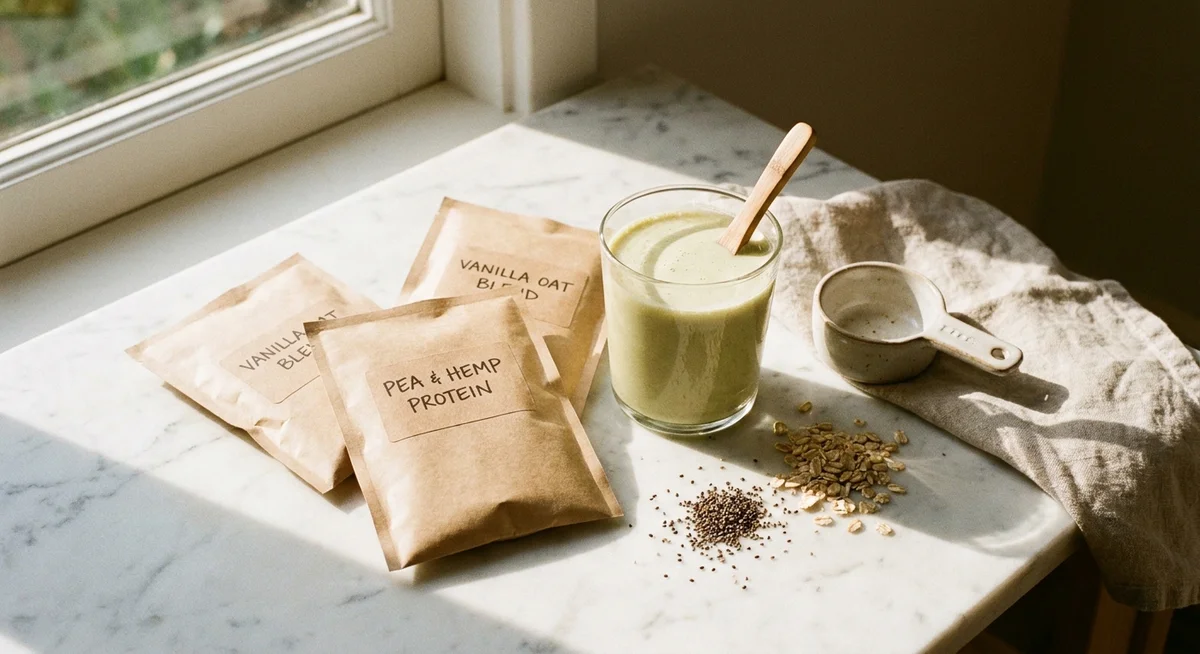
If you're lactose intolerant, protein powder is not off limits. Most whey-based products will cause problems, but a wide range of dairy-free formulas work just as well for building muscle, supporting recovery, and hitting your daily protein targets. The trick is knowing exactly what to look for on a label and what to avoid.
Key takeaways
- Whey concentrate is the biggest offender. Whey isolate has far less lactose and many people tolerate it fine.
- Casein is high in lactose and should be avoided if you are sensitive.
- Plant proteins (pea, rice, hemp, soy) contain zero lactose and suit most people with dairy issues.
- Some "lactose-free" labels still include other dairy proteins that can cause reactions.
- Reading the ingredient list matters more than reading the front of the packaging.
Which protein powders contain lactose?
Lactose is the sugar found in milk. Not all dairy-derived proteins carry the same amount of it, which is why the source of your protein matters as much as the brand.
| Protein Type | Dairy Derived? | Lactose Content | Verdict for Lactose Intolerance |
|---|---|---|---|
| Whey Concentrate | Yes | High (4–8% by weight) | Avoid |
| Whey Isolate | Yes | Very low (<1%) | Often tolerated |
| Casein | Yes | Moderate to high | Avoid |
| Pea Protein | No | None | Good choice |
| Rice Protein | No | None | Good choice |
| Hemp Protein | No | None | Good choice |
| Soy Protein | No | None | Good choice |
| Egg White Protein | No | None | Good choice |
Whey isolate goes through extra filtration that strips out most of the lactose and fat. Many people with mild to moderate lactose intolerance handle it without symptoms. If your intolerance is severe, however, even trace amounts can cause bloating — in that case, a fully dairy-free option is safer.
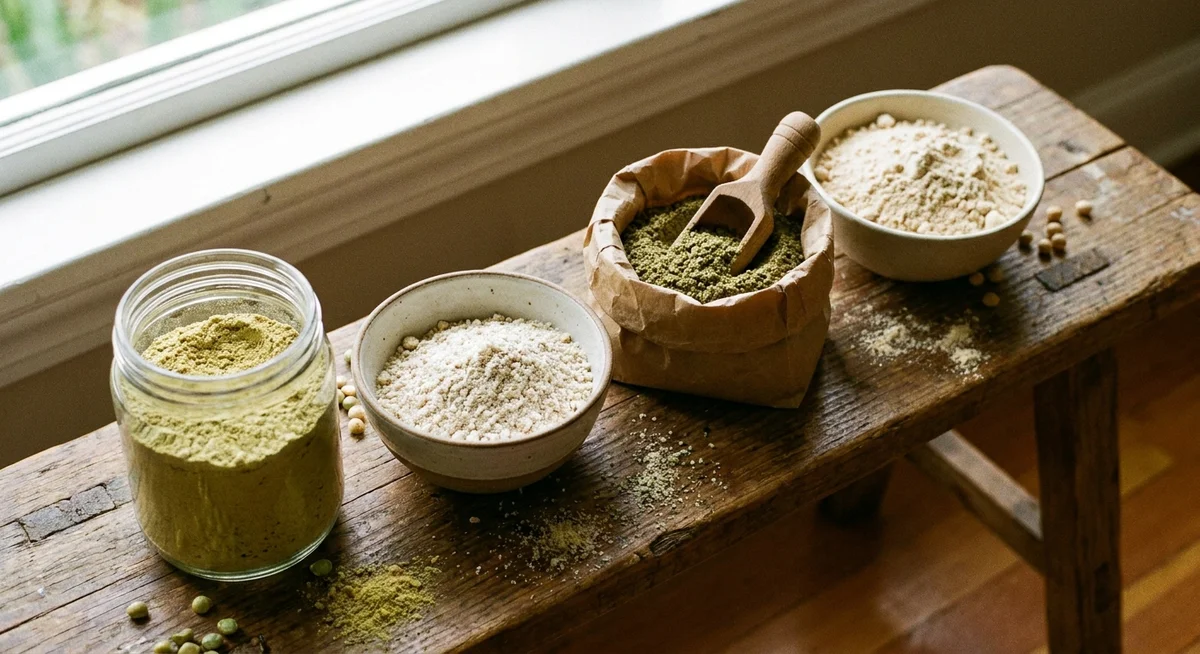
What are the best dairy-free protein powders?
Plant-based proteins have improved significantly in quality over the past decade. The biggest concern with early versions was amino acid completeness — most single plant sources are low in one or two essential amino acids. The practical fix is simple: blend two sources.
Best single-source options
- Pea protein — high in leucine, mixes well, mild flavour. The most popular plant option in Australia.
- Soy protein isolate — the only single plant protein with a complete amino acid profile. Excellent per-gram protein content.
- Egg white protein — not plant-based, but completely dairy-free. Complete amino acid profile, high bioavailability.
Best blended options
- Pea + rice blend — the most common combination. Each covers the other's amino acid gaps, making the profile comparable to whey.
- Pea + hemp blend — adds healthy fats from hemp alongside a fuller amino acid spread.
- Multi-source plant blends — products that combine three or more plant proteins cover the complete profile automatically.
How do you read a protein label if you're lactose intolerant?
Front-of-pack claims are marketing. The ingredient list is fact. Here's what to look for and what to skip past.
Watch for hidden dairy in the ingredient list. Common culprits include: whey powder, milk solids, milk protein concentrate, skim milk powder, and lactalbumin. These can appear in flavoured protein blends even when the primary protein source is plant-based. Some chocolate or caramel flavoured powders use milk solids for creaminess — a label worth checking even if you chose a plant protein.
Check the allergen statement. In Australia, manufacturers must declare dairy if it is present. The allergen statement sits below the ingredient list and reads something like "Contains: Milk." If that line is there, the product is not safe for people with dairy allergy — though people with lactose intolerance (not allergy) may still tolerate it depending on the amount.
Don't confuse lactose intolerance with a dairy protein allergy. Lactose intolerance is a reaction to milk sugar. A dairy protein allergy is a reaction to milk proteins (casein, whey). Whey isolate has almost no lactose, but it still contains whey protein — so it is fine for lactose intolerance and not fine for dairy protein allergy. Know which applies to you before choosing a product.
If you are unsure where to start, our guide to the best protein powders available in Australia covers a range of dairy-free options with notes on quality and value.
Does dairy-free protein powder work as well as whey?
For most goals, yes. Research comparing pea protein isolate to whey shows similar gains in muscle mass and strength when total protein intake and training are matched. The key variables are the same regardless of the source: hitting your daily protein target, timing intake around training, and staying consistent.
One practical difference is digestion speed. Whey is fast-digesting, which is why it became the go-to post-workout choice. Pea protein digests at a moderate pace — slower than whey, faster than casein. For post-workout use, this difference is unlikely to matter for most people. If you want to understand how timing actually affects results, the article on when to take protein powder for best results breaks it down with the current evidence.
The area where dairy-free options can fall short is flavour and texture in lower-quality products. Pea protein in particular has a distinct earthy flavour that some products mask well and others do not. Reading reviews from people with a similar sensitivity is worth doing before buying a large tub.
To understand how much protein you actually need each day regardless of source, start with our guide on how much protein you need per day.
Find a protein powder that suits your needsOur vanilla protein powder guide covers what to look for, what to avoid, and how to compare products before you buy.Frequently asked questions
Can I use whey protein if I'm lactose intolerant?
Whey isolate is often fine for people with mild to moderate lactose intolerance because filtration removes most of the lactose. Whey concentrate is a different story — it retains significantly more lactose and is a common cause of bloating and digestive discomfort. If you react to whey concentrate but still want a dairy-derived product, try a whey isolate and see how you respond.
Is pea protein easier to digest than whey?
For people who are lactose intolerant, yes. Pea protein contains no lactose or dairy proteins, so it eliminates the most common cause of protein powder digestive complaints. Pea protein does contain fibre, which some people find causes mild gas in larger servings. Starting with a smaller serve and building up can help your gut adjust over a week or two.
What is the best protein powder for someone with IBS?
People with IBS often do best with a simple ingredient list. Whey isolate (if dairy is tolerated) or a plain pea protein isolate with minimal additives are good starting points. Avoid products with large amounts of sugar alcohols like sorbitol or mannitol — these are common in "low sugar" formulas and are well-known IBS triggers. Artificial sweeteners and inulin (a prebiotic fibre used as a filler) can also cause symptoms in sensitive people.
Are plant protein blends as good as single-source plant proteins?
For amino acid completeness, blends are generally better than single-source plant proteins (except soy, which is already complete). A pea and rice blend, for example, provides a more balanced amino acid profile than pea protein alone. The trade-off is cost — blended products sometimes carry a small price premium over single-source options. For most people chasing muscle and recovery goals, the blend is worth it.