Chocolate Protein Powder: How to Pick a Good One
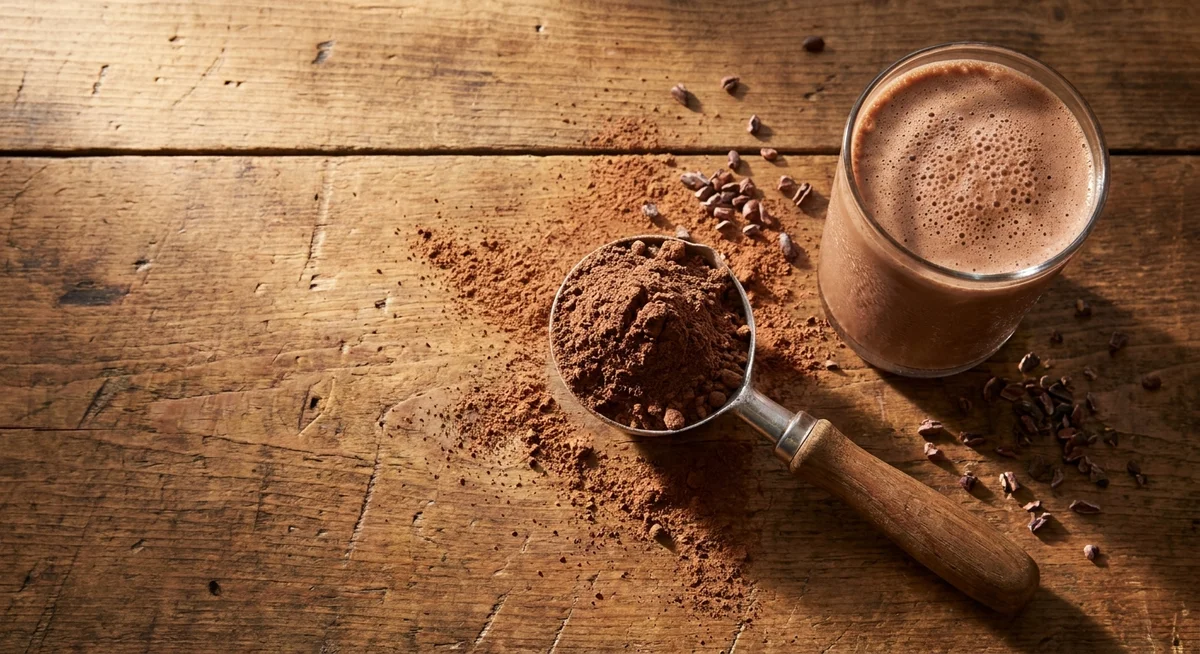
Chocolate protein powder is the world's most popular flavour category, and for good reason: it's versatile, satisfying, and easy to mix into everything from a quick shake to overnight oats. The problem is that "chocolate" covers an enormous range of quality. A genuinely good chocolate protein uses real cacao or cocoa for flavour. A cheap one uses artificial flavouring and enough sweetener to mask a poor base. This guide shows you how to tell them apart before you buy.
Key takeaways
- Real chocolate flavour comes from cacao or cocoa powder listed in the ingredients, not "natural flavour" alone.
- Check the sugar content per serve: anything above 6-8 g is likely masking off-flavours.
- Whey, casein, and plant-based proteins all work in chocolate form; the base protein type matters more than the flavour.
- Dutched (alkalized) cocoa gives a darker, milder taste; raw cacao delivers more bitterness and more antioxidants.
- A 25-30 g protein per serve benchmark still applies regardless of flavour.
What actually makes a chocolate protein taste good?
The flavour quality of a chocolate protein comes down to two things: the source of the chocolate taste and how it's sweetened. Brands that use real cocoa or cacao powder as an ingredient will list it on the panel. Brands that rely entirely on "natural chocolate flavouring" are usually cutting corners. The difference shows up instantly in the taste: real cocoa gives depth; artificial flavouring gives a flat, one-note sweetness that fades fast.
Sweetener choice matters too. Stevia and monk fruit tend to work well in chocolate profiles because the bitterness of cocoa masks any aftertaste. Sucralose can amplify the artificial character. High sugar levels (above 8 g per serve) are a flag that the manufacturer is using sweetness to compensate for a low-quality base protein or cheap cocoa.
Which type of protein works best in chocolate?
The protein base is the bigger decision. Chocolate flavour adapts well across all the main types, but each has a different texture and use case.
| Protein type | Texture in chocolate | Best for | Watch out for |
|---|---|---|---|
| Whey concentrate | Creamy, mixes easily | Post-workout shakes | Lactose sensitivity |
| Whey isolate | Slightly thinner, very clean | Lean muscle goals, lactose-light | Higher price |
| Casein | Thick, pudding-like | Overnight recovery, baking | Too thick for shakers alone |
| Pea protein | Slightly grainy, earthy | Plant-based diets | Lower leucine content solo |
| Pea + rice blend | Smoother, more complete | Plant-based, complete amino profile | Can taste chalky if poorly blended |
If you're comparing plant-based options specifically, there's a full breakdown in our guide to pea, rice, hemp, and soy protein that covers how each base performs on taste and nutrition.
Raw cacao vs Dutch-process cocoa: does it matter?
Most chocolate protein powders use one of two cocoa formats, and they produce noticeably different results.
Raw cacao
- Cold-pressed, minimal processing
- Higher antioxidant content (flavanols largely intact)
- Stronger, more bitter chocolate flavour
- Slightly less soluble in cold liquid
- Usually costs more to source
Dutch-process cocoa
- Alkalized to reduce acidity
- Darker colour, smoother and milder taste
- Dissolves more easily in liquid
- Widely available, consistent quality
- Lower antioxidant retention than raw cacao
Neither is wrong. If you want a richer, dessert-style chocolate shake, Dutch-process is the reliable choice. If you care about the nutritional bonus of cacao flavanols, look for "raw cacao" on the label. Some premium powders combine both. For a closer look at how cacao contributes nutritionally to protein products, see our article on cacao protein powder.
How to read the label on a chocolate protein
The chocolate flavour adds complexity to the label, so here's what to check specifically:
- Protein per serve: 25-30 g is the target. Flavoured powders sometimes sneak in lower amounts because the cocoa and sweetener take up more of the scoop weight.
- Sugar per serve: Under 5 g is clean. 6-8 g is acceptable. Over 10 g is high, and the product is likely very sweet to compensate for something.
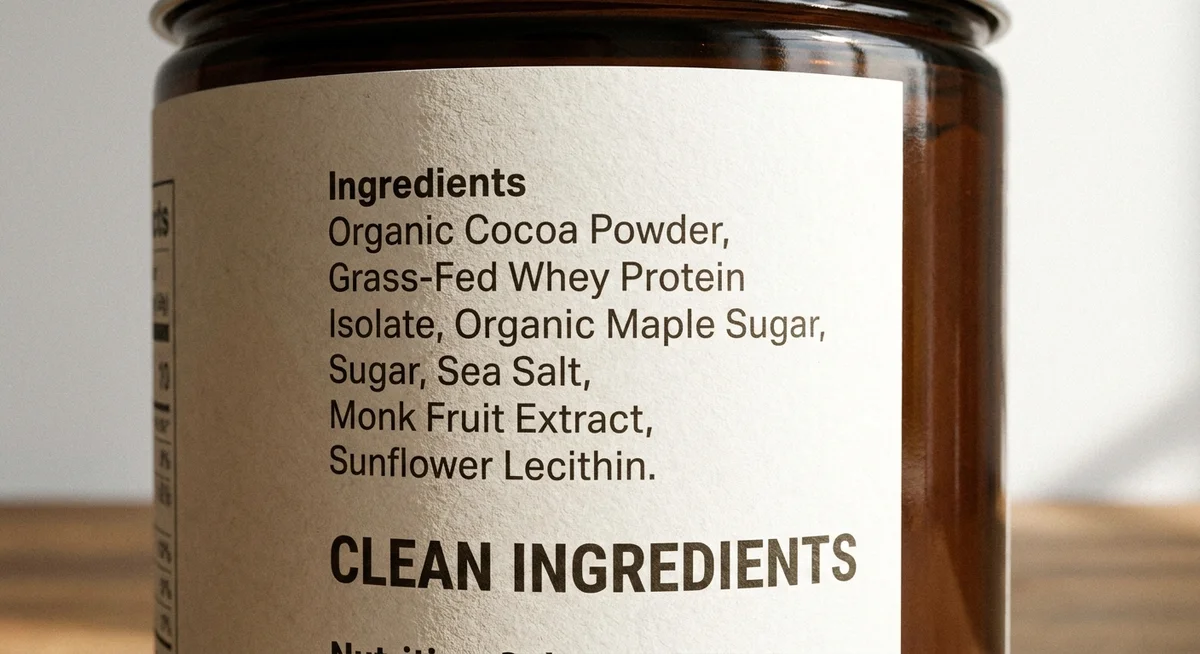
- Cocoa or cacao in the ingredient list: It should appear as an actual ingredient, not buried inside "natural flavours".
- Fillers and thickeners: Xanthan gum and guar gum are common in chocolate formulations to improve texture. Small amounts are fine. If they appear near the top of the list, the powder is likely mostly filler.
- Proprietary blends: A "chocolate protein blend" with no individual amounts disclosed makes it impossible to know how much actual protein you're getting vs. cheaper fillers.
How chocolate protein fits different goals
The flavour doesn't change the underlying function, but it does affect how people use it. Chocolate protein tends to get added to more recipes than vanilla, which is useful if you want your protein intake spread through the day. Stirred into Greek yoghurt, blended with frozen banana and almond milk, or baked into protein balls, it holds up well across formats. If you're cooking with it regularly, casein or a pea-rice blend tends to hold texture better than whey isolate, which can become rubbery under heat.
For anyone tracking intake carefully while losing body fat, the sweetness of chocolate protein can help with adherence. It's easier to stick to a calorie target when the food you're eating is satisfying. Our guide to using protein powder in a calorie deficit covers how to use any high-quality protein to protect muscle while eating less.
Frequently asked questions
Is chocolate protein powder higher in calories than other flavours?
Usually by a small margin. The cocoa powder and any added sweeteners add 5-15 extra calories per serve compared to an unflavoured version. This is not meaningful for most goals. The bigger variable is whether the product uses added sugar heavily: a high-sugar chocolate protein can run 50-80 calories more per serve than a clean one.
Can you use chocolate protein powder in baking?
Yes, and it works particularly well in brownies, protein balls, and pancakes. Casein holds structure under heat better than whey. Use a 1:3 ratio (one part protein powder to three parts flour) as a starting point, and add extra liquid since protein powder absorbs more moisture than standard flour.
Does chocolate protein powder contain caffeine?
Cacao contains a small amount of theobromine and trace caffeine, but not enough to have a stimulant effect at typical serving sizes (around 5-10 mg at most per serve). If a product is labelled "dark chocolate espresso" or similar, check the label for added caffeine, which some brands include as a separate ingredient.
Is natural chocolate flavouring acceptable if there's no cocoa listed?
It depends on the manufacturer, but "natural flavour" is a broad catch-all term that tells you very little about the actual ingredients. Products that list real cocoa or cacao in addition to natural flavour are generally more trustworthy. A product relying entirely on natural flavouring with no cocoa listed is worth questioning, especially if the price is low.
Comparing chocolate and vanilla protein?Read our full guide to vanilla protein powder to see how the two flavours stack up on quality markers and label reading.