Cacao Protein Powder: Benefits, Uses, and What to Look For

Cacao protein powder is a flavoured protein supplement made by combining a high-protein base (whey, casein, or a plant source) with raw cacao or cocoa-derived ingredients. It delivers the same core function as any other protein powder but wraps it in a rich, chocolate-adjacent flavour that many people find easier to drink consistently. If you have tried plain vanilla or unflavoured protein and struggled to stay with it, cacao is worth a serious look.
What Is the Difference Between Cacao and Cocoa in Protein Powder?
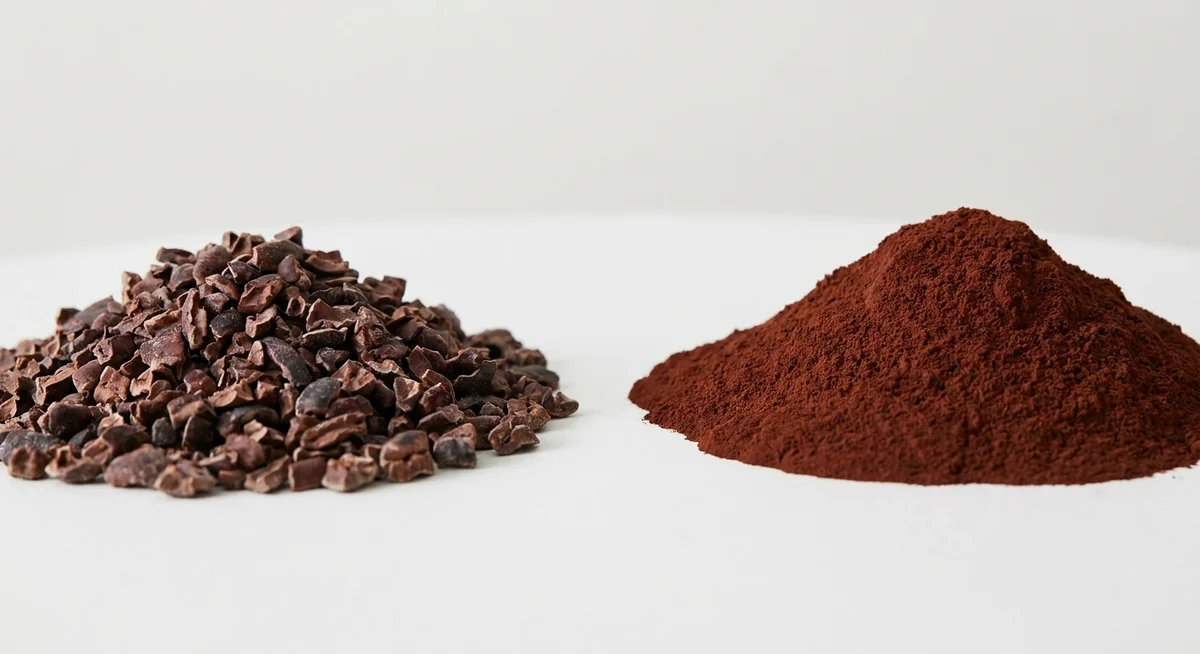
The terms cacao and cocoa appear on protein labels almost interchangeably, but they describe different processing levels. Raw cacao comes from cold-pressing unroasted cacao beans, which preserves more of the bean's natural polyphenols and antioxidants. Cocoa powder is made by roasting the beans at higher temperatures first, which produces a smoother, more familiar chocolate flavour but reduces some of the original nutrient density.
In practice, most protein powders labelled "cacao" contain either raw cacao powder, dutched cocoa (alkali-processed), or a blend of both. What matters most for your purchase decision is not the labelling but the ingredient list order. Cacao or cocoa should appear as a named flavouring ingredient, not simply listed under "natural flavours" with no detail. A product that uses real cacao powder will typically have a slightly more intense, slightly bitter chocolate note compared to one relying entirely on artificial chocolate flavouring.
Polyphenol content is the other talking point. Raw cacao is genuinely high in flavanols, which have been studied for cardiovascular and cognitive effects. Whether the amount in a single serve of protein powder is large enough to matter is debatable. Treat any polyphenol benefit as a modest bonus, not the reason to buy.
How Does Cacao Protein Compare to Other Flavours for Daily Use?
Chocolate-flavoured proteins consistently rank as the most popular category in Australia, and cacao variants sit within that group. The flavour profile is more nuanced than standard "chocolate": expect a slightly earthy, darker taste rather than the sweetened milk-chocolate note you find in many mass-market powders.
For daily use, cacao protein powder has a few practical advantages. First, it mixes well with coffee, making it easy to build a high-protein morning drink without needing a separate flavoured creamer. Second, it works well in baked goods like protein brownies or bliss balls without tasting artificial. Third, the darker flavour tends to stay palatable longer than very sweet flavours, which some people find cloying after a few weeks of daily use.
If you are comparing cacao to vanilla, the core protein content and amino acid profile should be identical if you are looking at the same product line. Flavour does not change how the protein performs. For a detailed breakdown of what vanilla-based options offer, see our guide to vanilla protein powder and what to check before buying.
What Should You Check on the Label Before Buying?
Cacao protein powders carry the same labelling pitfalls as any flavoured supplement. Here are the four things worth checking before you commit to a tub.
Protein per serve versus protein per 100g
Manufacturers sometimes use a large scoop size to inflate the per-serve number. A 50g scoop with 25g of protein sounds good until you realise that is only 50% protein by weight. A lean product sits at 70-80% protein by weight (70-80g per 100g on the nutrition panel). Cacao powder and added sweeteners both dilute protein density, so check the per-100g figure specifically on chocolate-flavoured products.
Sugar and sweetener load
Cacao is naturally bitter. Manufacturers compensate with sugar, stevia, erythritol, or a blend of sweeteners. If you are buying for weight management, check the total sugars per serve; anything above 5g per serve is worth questioning. Our guide to the best protein powder for weight loss covers this in more detail, including what to look for on the carbohydrate row.
The full ingredient list
A short ingredient list is usually a good sign. The base protein (e.g. whey concentrate, pea protein, brown rice protein) should appear first. Cacao or cocoa powder should be clearly named. If you see "chocolate flavour" without any actual cacao listed, the product is using artificial flavouring rather than the real ingredient.
Third-party testing
Cacao powder is a known carrier of heavy metals, particularly cadmium and lead, due to how cacao trees absorb minerals from soil. A reputable protein brand will test finished products through an accredited third-party lab and make the certificates of analysis available on request. This is not a reason to avoid cacao protein, but it is a reason to buy from a brand that tests. Look for HASTA, Informed Sport, or NSF certification marks on the label or website.
How to Use Cacao Protein Powder Day to Day
The simplest use is the standard shake: one scoop with 250-300ml of water or milk, shaken or blended. Oat milk and almond milk both pair well with cacao. For a thicker, dessert-style drink, blend with frozen banana and a tablespoon of nut butter.
Beyond shakes, cacao protein works in:
Understanding how much protein you actually need each day shapes how you fit cacao protein into a routine. If you are not sure what your target should be, our article on daily protein requirements walks through the calculation by body weight and activity level.
It is also worth knowing how to store your tub once opened. Cacao powder is hygroscopic, meaning it absorbs moisture, which can cause clumping and affect texture over time. Keep the lid sealed and store in a cool, dry place away from steam and direct sunlight. For more on this topic, our summer storage guide covers the specific conditions that shorten shelf life in Australian climates.
Frequently Asked Questions About Cacao Protein Powder
Is cacao protein powder the same as chocolate protein powder?
Not exactly. Chocolate protein powder is a broad category that includes products flavoured with artificial chocolate flavouring, cocoa powder, or real cacao. Cacao protein specifically uses cacao-derived ingredients rather than synthetic chocolate flavour. Read the ingredient list to confirm whether actual cacao powder appears, since marketing terms are not regulated.
Does cacao protein powder have caffeine?
Yes, in small amounts. Raw cacao naturally contains caffeine and theobromine. A typical single serve of cacao protein powder contains roughly 5-20mg of caffeine depending on how much cacao the formula includes. This is well below a standard espresso (60-80mg) but worth noting if you are sensitive to stimulants or taking your shake late in the day.
Can cacao protein powder help with muscle building?
It can, provided the protein base is complete (contains all essential amino acids) and you are consuming enough total protein across the day. The cacao flavouring itself has no direct anabolic effect. What matters is the protein source and the total leucine content per serve, which drives muscle protein synthesis. Whey-based cacao proteins will be higher in leucine than most plant-based versions.
Is cacao protein powder suitable for people avoiding dairy?
It depends on the protein base. Whey and casein cacao proteins contain dairy. Pea, rice, hemp, and soy-based cacao proteins are dairy-free. Check the allergen statement on the label, and also check whether the product is manufactured on shared equipment if cross-contamination is a concern for you.