How to Store Protein Powder in Summer Heat: A Practical Guide
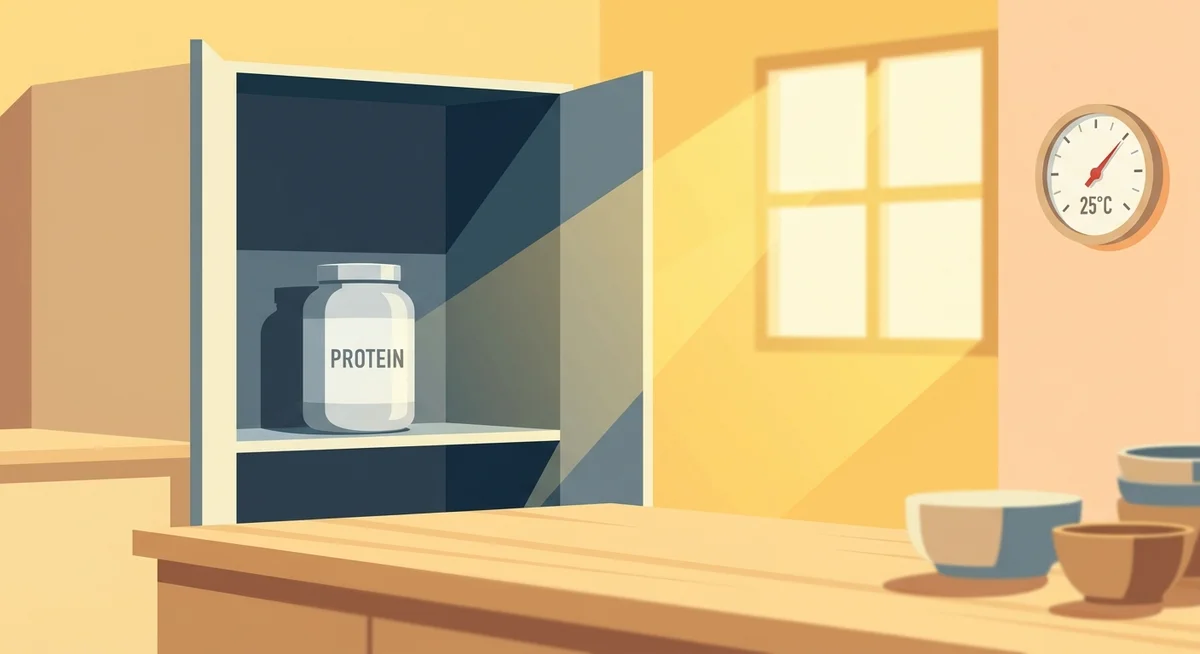
Protein powder should be stored below 24°C in a cool, dark, dry place with the lid sealed tight after every use. In summer, that means a pantry or cupboard away from the oven, windows, and appliances. Never store it in a hot car, garage, or direct sunlight, and skip the fridge unless humidity is controlled.
That short answer covers the essentials. But summer creates specific problems that catch people out, and a tub that cost $40 to $80 deserves better than a slow death on a sunny benchtop. Here is what heat and humidity actually do to protein powder, and how to protect it through the hottest months.
Why does heat ruin protein powder?
Heat damages protein powder in two ways: it breaks down the protein itself and it accelerates fat oxidation. Whey and plant proteins are relatively stable molecules, but sustained temperatures above 30°C trigger a process called Maillard browning, where proteins react with the small amount of lactose or sugars in the powder. The result is clumping, a stale or cardboard-like taste, and reduced levels of lysine, one of the essential amino acids you are paying for.
The fats are even more vulnerable. Most powders contain 1 to 5 grams of fat per serve, and heat turns those fats rancid within weeks rather than months. Rancid powder smells sour or metallic and tastes noticeably off. It will not usually make you sick, but the nutritional quality drops and the experience is unpleasant.
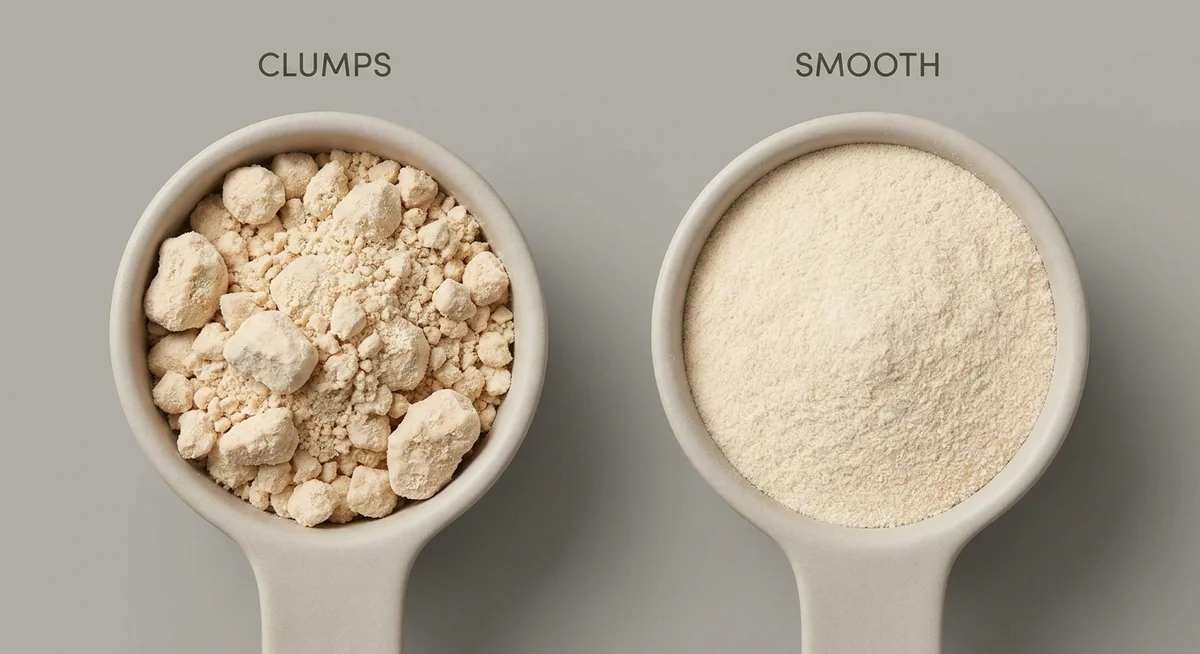
Humidity is the bigger threat in most Australian summers. Protein powder is hygroscopic, meaning it pulls moisture straight out of the air. Once moisture gets in, you get hard clumps at best and mould at worst. A tub that has grown mould goes in the bin, no exceptions. If you are unsure whether an older tub is still safe, the signs are covered in detail in this guide on whether protein powder expires.
Where should you keep protein powder in summer?
The best spot is a pantry or cupboard on an internal wall, away from the oven, dishwasher, kettle, and any window that gets direct sun. Internal cupboards typically stay 3 to 5 degrees cooler than benchtops in summer, which is enough to make a real difference over a tub's two to three month lifespan once opened.
Places to avoid, ranked from bad to worst:
- On the kitchen bench. Convenient, but exposed to sunlight, heat from cooking, and temperature swings all day.
- Above the fridge or next to the oven. Both appliances radiate heat constantly. The cavity above a fridge can run 10 degrees warmer than the room.
- In the garage or shed. Uninsulated spaces regularly hit 40°C or more on a 32°C day. A summer in the garage can ruin a tub in under a month.
- In the car. The interior of a parked car can reach 60°C within 30 minutes on a hot day. Even one afternoon can degrade flavour and start fat oxidation. Take your shaker inside, always.
Gym-goers who pre-load powder into a shaker should mix and drink within a few hours, especially if the shaker has been sitting in a hot car or gym bag. Mixed protein spoils fast in the heat, and the smell of a forgotten shaker in February is not something anyone forgets.
Should protein powder go in the fridge or freezer?
Usually no. Refrigeration sounds logical, but every time the tub comes out of the fridge into warm summer air, condensation forms inside the container. That moisture feeds clumping and mould, which means the fridge often does more harm than a stable cupboard.
There are two exceptions. If your home regularly exceeds 30°C indoors and you have no air conditioning, the fridge becomes the lesser evil. In that case, decant a week's worth of powder into a small airtight container that lives outside the fridge, and keep the main tub sealed and refrigerated. Open the main tub as rarely as possible.
The freezer works for long-term storage of unopened tubs. Sealed in the original packaging with an extra layer of protection, like a zip-lock freezer bag, an unopened tub keeps well past its best-before date. Just let it come fully to room temperature before opening, which takes about 12 hours, so condensation forms on the outside of the packaging rather than inside it.
Five habits that keep powder fresh through summer
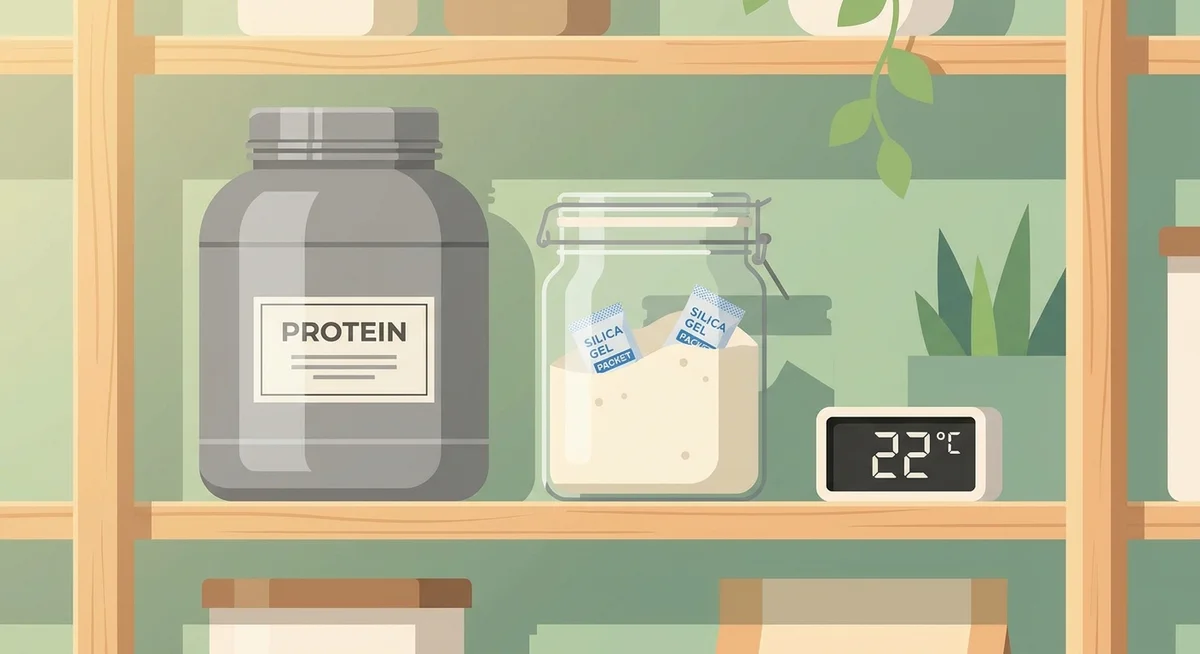
- Seal the lid immediately after scooping. Every minute the tub sits open, it absorbs humidity. This single habit matters more than anything else.
- Keep the desiccant packet. That small silica gel sachet in new tubs absorbs moisture. Leave it in until the tub is finished.
- Use a dry scoop. A scoop with milk or water residue introduces moisture directly. Wipe it and store it inside the tub, handle up.
- Buy smaller tubs in summer. A 500 gram tub finished in three weeks beats a 2 kilogram tub degrading over three months. Quality options like this vanilla protein powder stay at their best when used within 6 to 8 weeks of opening.
- Transfer bagged powder to airtight containers. Resealable pouches rarely seal properly after a few weeks of use. A glass or BPA-free plastic container with a rubber gasket seal solves this for under $15.
Storage habits matter regardless of which protein you use, though plant proteins with higher fat content, like hemp, are slightly more prone to rancidity than whey isolate. The differences between formats are covered in this comparison of plant protein versus whey.
The bottom line
Summer storage comes down to three rules: keep it cool, keep it dry, keep it sealed. A stable internal cupboard beats the fridge, the car is off limits, and the humble silica packet is your best friend. Powder stored this way holds its taste, texture, and full amino acid profile right through the hottest months, so every scoop delivers what you paid for. And if you are recalibrating your intake for a summer training block, it helps to know how much protein you actually need per day before deciding how much powder to keep on hand.
Frequently asked questions
Can protein powder go bad in the heat?
Yes. Sustained temperatures above 30°C accelerate fat rancidity and degrade lysine, an essential amino acid, through Maillard browning. Heat combined with humidity also causes clumping and can allow mould growth. Powder exposed to a hot car or garage for even a few days may develop a stale, sour, or metallic taste and should be checked carefully before use.
Is it OK to leave protein powder in a hot car?
No. A parked car can reach 60°C inside within 30 minutes on a hot day, which is hot enough to start degrading proteins and turning fats rancid in a single afternoon. Always bring tubs and pre-loaded shakers indoors. If powder was left in a hot car overnight or longer, smell it before using. Any sour or off odour means it should be discarded.
How long does protein powder last once opened in summer?
Stored correctly in a cool, dry cupboard with the lid sealed, an opened tub keeps its best quality for 6 to 8 weeks in summer, compared with 3 to 6 months in cooler conditions. Buying smaller tubs during hot months means you finish each one while it is still fresh. Unopened tubs stored below 25°C last until their printed best-before date.
Does humidity matter more than temperature?
In most coastal Australian cities, yes. Protein powder is hygroscopic and absorbs moisture from the air every time the tub opens. Humidity above 65 percent causes clumping within weeks and creates conditions for mould. Temperature degrades quality gradually, but moisture can make powder unsafe. Sealing the lid immediately and keeping the silica gel packet in the tub are the two most effective defences.