Protein Powder for Strength Training: What Beginners Need to Know
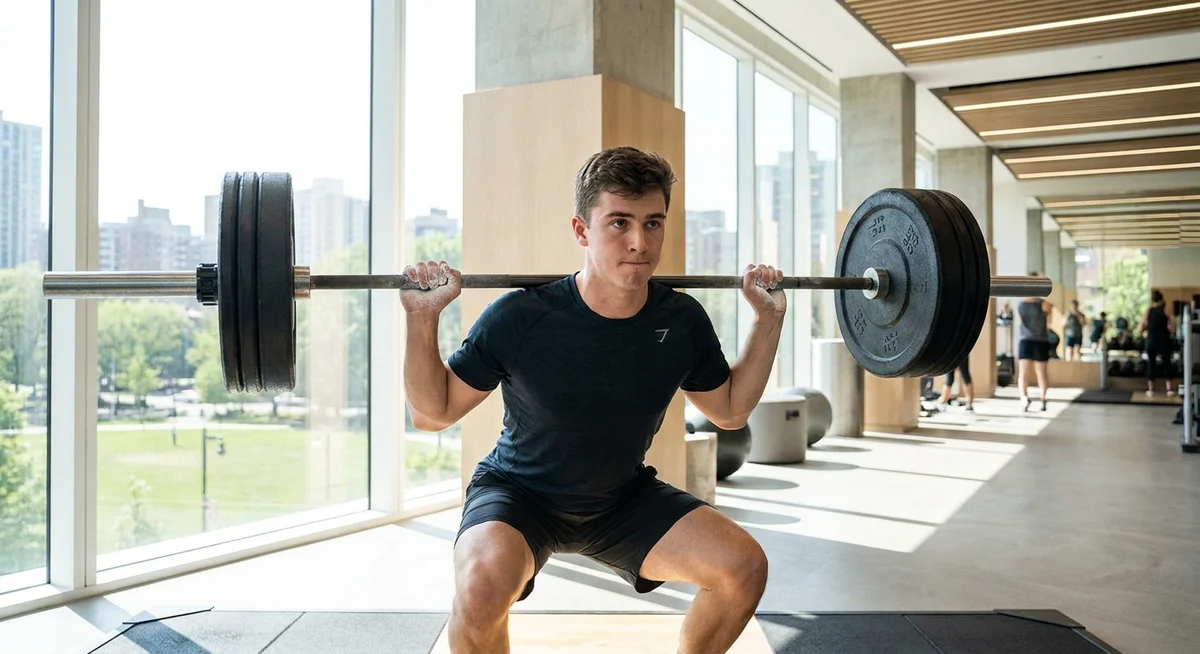
Protein powder is not a requirement for building muscle, but for anyone new to strength training it closes the gap between what you eat and what your body actually needs to rebuild after a hard session. Get the basics right early and you will see results faster, recover better, and waste less money on supplements you don't need.
Key takeaways
- Beginners need roughly 1.6 to 2.2 g of protein per kilogram of bodyweight daily to support muscle growth.
- Whey protein is the most studied option and works well for most people, but plant-based blends are equally effective if you spread intake across the day.
- Timing matters less than total daily intake, though having protein within a couple of hours of training is a sensible habit.
- One to two scoops a day is enough for most beginners. More is not better once your daily target is met.
- Read labels carefully: protein content, sweetener type, and third-party testing vary widely between brands.
Do beginners actually need protein powder?
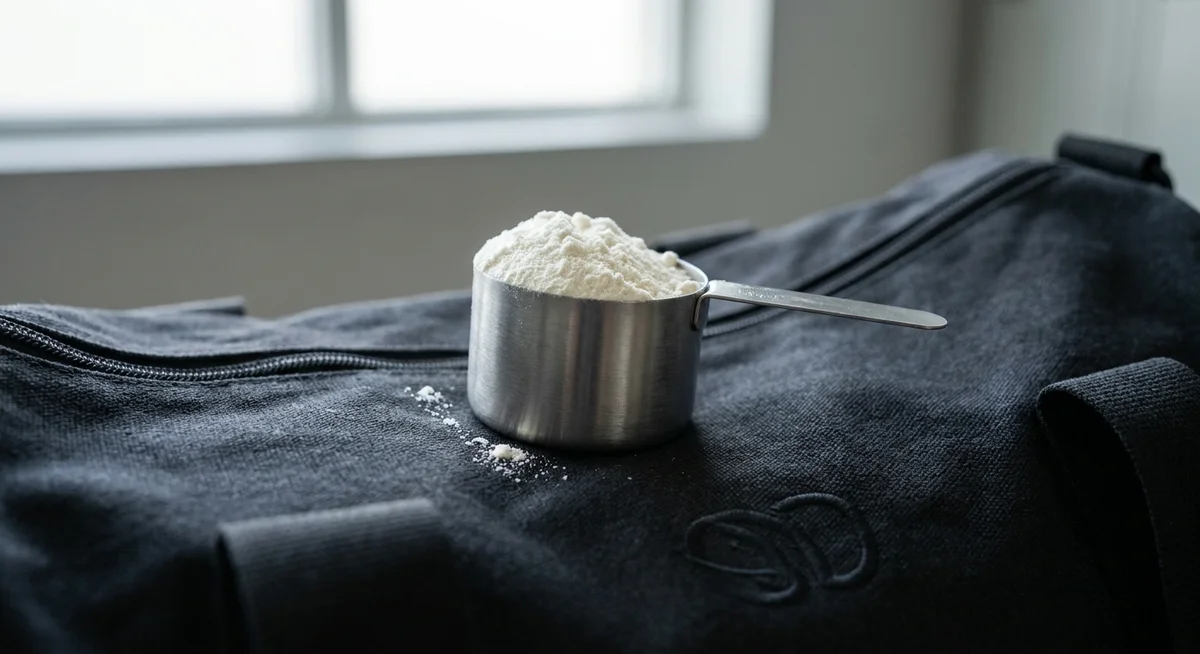
Not strictly, no. Whole foods like chicken, eggs, Greek yogurt, lentils, and fish can cover your protein needs without any supplement. But most beginners find it hard to hit their daily target through food alone, particularly on training days when appetite can be lower and schedules tighter. A single scoop of protein powder delivers around 25 g of protein in under two minutes and fewer than 150 calories. For practical gap-filling, nothing comes close.
Research consistently shows that adequate protein, from any source, drives muscle protein synthesis after resistance exercise. A 2017 meta-analysis published in the British Journal of Sports Medicine covering 49 studies found that protein supplementation significantly increased muscle mass and strength gains in people doing resistance training, with the effect strongest in beginners who had the furthest to go.
How much protein do beginners need per day?
The evidence-based range for muscle building sits at 1.6 to 2.2 g per kilogram of bodyweight per day. So a 75 kg beginner needs somewhere between 120 g and 165 g of protein daily. Most people eating a normal diet get around 70 to 90 g from food. A scoop or two of protein powder makes up the rest without adding a lot of extra calories.
For a deeper breakdown of daily targets, including adjustments for age and training volume, see how much protein you actually need per day.
Which type of protein powder is best for strength training beginners?
Three types dominate the market for lifters. Here is how they compare on the factors that matter most to someone just starting out.
| Type | Protein per scoop (approx.) | Digestion speed | Best for | Watch out for |
|---|---|---|---|---|
| Whey concentrate | 22-24 g | Fast | Post-workout recovery, budget buyers | Contains lactose; can cause bloating in sensitive people |
| Whey isolate | 25-27 g | Fast | Lactose sensitivity, leaner calorie profile | Costs more per serve than concentrate |
| Plant-based blend (pea + rice) | 20-25 g | Moderate | Vegans, people who bloat on dairy | Needs a complete blend; single-source pea protein lacks methionine |
Whey isolate is the go-to for most beginners because it is low in fat, low in carbs, and digests quickly after training. If you are dairy-free or vegan, a pea and rice protein blend is the next best option. Avoid single-ingredient plant proteins as your only source as the amino acid profile is incomplete on its own. For a full rundown on the isolate versus concentrate question, read whey isolate vs concentrate: what's the difference.
When should you take it?
The old "anabolic window" idea, that you had to drink a shake within 30 minutes of training or the session was wasted, has been largely debunked. Total daily protein intake matters far more than precise timing. That said, having protein within two hours either side of training is still a practical habit because it supports recovery when muscle protein synthesis is elevated.
Post-workout shake (most popular)
- Easy to build into a routine
- Convenient when you train before a meal
- Helps hit daily targets on high-volume days
- Works well as a lighter "bridge" before a proper meal
Pre-workout shake (good alternative)
- Useful if you train fasted or skip breakfast
- Raises circulating amino acids before muscle breakdown begins
- Can reduce hunger spikes after a session
- Best with a small meal 60 to 90 minutes before lifting
For a deeper look at the timing research, protein powder before or after a workout covers the evidence in plain language.
What to look for on the label
The supplement industry in Australia is less tightly regulated than pharmaceuticals, which means label claims can be misleading. Before you buy, check these four things:
- Protein content per serve: At least 20 g per scoop. Anything lower and you are paying a lot for fillers.
- Amino acid spiking: Cheap products add cheap amino acids (glycine, taurine, creatine) to inflate the protein number on the label. If you see a long amino acid list under "other ingredients", treat it as a warning sign.
- Sweetener type: Sucralose and acesulfame-K are fine for most people but can cause gut discomfort in higher amounts. Stevia is a gentler option if you are sensitive.
- Third-party testing: Look for Informed Sport, NSF Certified for Sport, or Labdoor certification. These confirm the product contains what the label says and no banned substances.
For a complete walkthrough of nutrition panels and serving size tricks, see how to read a protein powder nutrition label.
Frequently asked questions
Can a beginner build muscle without protein powder?
Yes. Protein powder is a convenience supplement, not a magic ingredient. If you can hit 1.6 to 2.2 g of protein per kilogram of bodyweight through food alone, you will get the same results. Most beginners find it easier and cheaper to fill the gap with one daily shake rather than adding extra meals, but it is entirely optional.
How many scoops should a beginner take per day?
One to two scoops is the right range for most beginners. One scoop (around 25 g) is often enough to close the gap between food intake and daily protein targets. Two scoops on hard training days is reasonable. Taking three or more daily rarely adds benefit once your total protein target is met, and it pushes up calories unnecessarily.
Will protein powder make a beginner bulky?
No. Protein powder does not cause excessive muscle growth on its own. Building significant muscle takes years of progressive resistance training and consistent calorie surpluses. Protein powder simply provides the raw material for repair. Most beginners will gain 1 to 2 kg of muscle in their first three to six months of consistent training, regardless of whether they use supplements.
Is it safe to take protein powder every day?
For healthy adults, yes. The concern about protein damaging kidneys applies only to people with pre-existing kidney disease. Population studies show no harmful effects in healthy individuals at intakes up to 2.2 g per kilogram of bodyweight daily. If you have any kidney or liver condition, check with your doctor before adding a supplement.
Find the right protein powder for your goalOur buying guide compares every major type so you can pick with confidence.