Protein Powder for Rock Climbers: How to Build Strength Without the Bulk
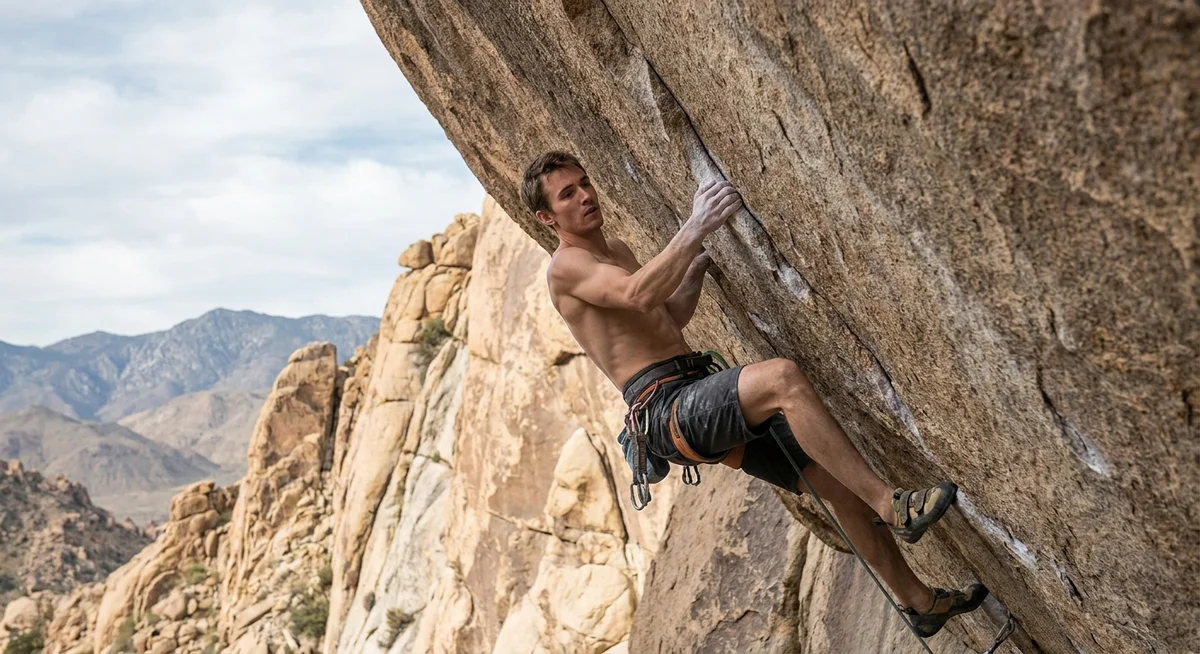
Rock climbing is one of the few sports where extra muscle can actually slow you down. Every gram of body mass you carry up a wall costs energy, so climbers need protein that repairs and strengthens tissue without piling on unnecessary size. The good news: that goal is achievable with the right intake, timing, and protein source.
Key takeaways
- Climbers need roughly 1.6 to 2.0 g of protein per kg of bodyweight per day to support tendon and muscle repair.
- Tendons recover more slowly than muscles, so consistent daily protein intake matters more than post-session spikes.
- Whey isolate is fast-absorbing and ideal after hard sessions; casein or plant blends suit evening use when steady release helps overnight repair.
- Collagen peptides, taken with vitamin C before training, may specifically support tendon and ligament recovery.
- Keeping calories controlled while hitting protein targets is the key to gaining strength without gaining weight.
Why do climbers have different protein needs than other athletes?
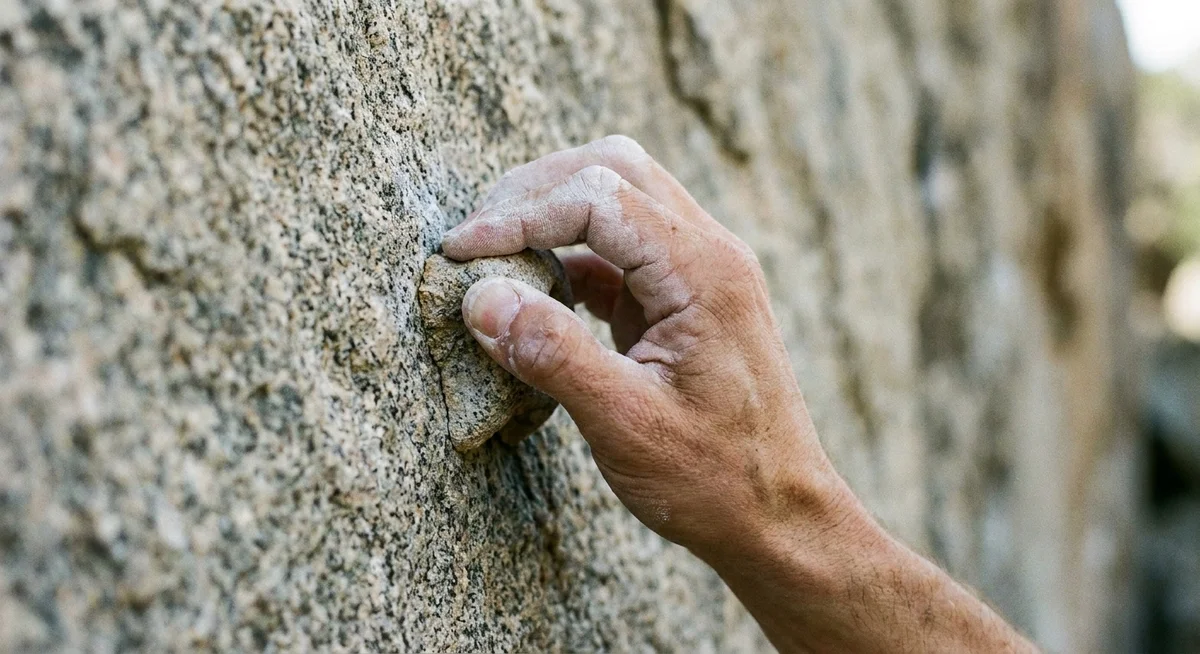
Most sports reward adding muscle mass. Climbing punishes it. Your fingers, forearms, and upper back do the vast majority of the work, and those structures include dense connective tissue (tendons and pulleys) that responds differently to training than skeletal muscle does. Muscle protein turns over relatively quickly. Tendons are metabolically slow, meaning they take longer to build, longer to repair, and are far more prone to chronic overuse injury if you rush them.
This means climbers cannot simply follow a standard hypertrophy protocol. The goal is not maximum muscle protein synthesis. It is targeted tissue repair, with an emphasis on collagen-rich connective structures alongside the lean muscle that generates pulling power.
How much protein do climbers actually need per day?
The research on climbing-specific protein needs is still thin, but sports science on strength-endurance athletes gives us a solid working range. Aim for 1.6 to 2.0 g of protein per kg of bodyweight per day. A 70 kg climber is therefore looking at 112 to 140 g daily. For most people, whole food covers roughly 60 to 80 g of that; a single protein powder serving can close the gap without adding significant calories.
Spread that intake across the day rather than concentrating it in one or two large servings. Tendons in particular benefit from a steady amino acid supply throughout waking hours, not a flood after one meal.
Which protein powder works best for climbers?
There is no single "climber protein." The right choice depends on your digestion, diet, and when you plan to use it. Here is how the main options compare.
| Protein type | Absorption speed | Best use for climbers | Watch out for |
|---|---|---|---|
| Whey isolate | Fast (1-2 hrs) | Post-session muscle repair | Not suitable for lactose intolerance |
| Casein | Slow (6-8 hrs) | Before bed for overnight tendon repair | Thicker texture; some find it heavy |
| Pea protein | Moderate | All-day use; good for plant-based climbers | Lower leucine than whey; pair with rice protein |
| Collagen peptides | Fast | Pre-session tendon loading | Incomplete amino acid profile; not a standalone |
| Whey concentrate | Moderate | Post-session; budget-friendly | Higher lactose; more calories than isolate |
For most climbers who eat meat and dairy, a quality whey protein isolate after sessions and casein before bed is a practical starting point. Plant-based climbers can combine pea and rice proteins to get a complete amino acid profile. If tendon health is a priority (and for serious climbers it always should be), adding collagen peptides as a separate pre-session supplement is worth considering alongside your main protein powder.
When should climbers take protein powder?
Timing matters less than total daily intake, but a few windows are worth targeting.
- Pre-session (45-60 min before): Collagen peptides with vitamin C if the session involves finger-intensive work. A light whole-food snack with some protein is also fine.
- Post-session (within 1-2 hrs): 25-35 g of fast-absorbing protein. This is where whey isolate earns its place. You do not need to rush it down on the wall; just make sure it lands within the two-hour window.
- Before bed: 20-30 g of casein. Connective tissue repair peaks during sleep, and a slow-release protein source keeps amino acids available through the night.
If you cannot hit your daily protein target through food alone, a mid-morning or afternoon shake is a practical way to bridge the gap. There is nothing magical about the post-workout window if the rest of the day's intake is solid. Understanding when to take protein powder for best results comes down to your overall daily pattern, not just the hour after training.
Pros of protein powder for climbers
- Easy way to hit daily targets without excess calories
- Convenient for recovery at the crag or gym
- Collagen peptides directly support tendon health
- Wide range of options to suit plant-based diets
Cons and limitations
- Collagen evidence is promising but still emerging
- Low-quality powders can contain added sugars that inflate calories
- Over-reliance on shakes can displace whole foods with better nutrient density
- Extra calories from protein powder can cause weight gain if portions are not monitored
Does protein powder cause unwanted weight gain in climbers?
Only if you exceed your total calorie needs. Protein powder itself is not uniquely fattening. A 30 g scoop of whey isolate typically delivers around 110 to 130 calories. If you add it on top of a diet that already meets your energy needs, the surplus will be stored. But if it replaces a snack of similar or higher calorie content, it can actually help you stay leaner by keeping you fuller and protecting muscle tissue during periods of lighter eating.
The key is tracking not just protein grams but total daily calories. Climbers aiming to maintain or slightly reduce weight should treat protein powder as a substitute, not an addition. Reading how to interpret a protein powder nutrition label carefully will help you compare products and spot ones with high sugar or fat content that push calories up without adding much protein value.
Frequently asked questions
Can protein powder help with finger injury recovery?
Protein supports the repair of all soft tissue, including the finger pulleys and tendons that climbers frequently strain. Collagen peptides taken with vitamin C before training have the strongest direct evidence for tendon support. Standard whey or plant protein still contributes to overall tissue repair and should not be neglected. Recovery from a pulley injury takes weeks to months regardless of nutrition, so protein is a support tool, not a cure.
Should climbers use protein powder if they are trying to lose weight?
Yes, with portion control. Protein is the most satiating macronutrient, and maintaining a high protein intake during a calorie deficit protects lean muscle mass. Losing weight as a climber is about dropping fat while keeping the muscle you need for pulling strength. A protein shake replacing a higher-calorie snack can help hit both goals. Aim for 2.0 g per kg of bodyweight if you are in a deficit to offset any muscle-loss risk.
Is plant protein as effective as whey for climbers?
A well-formulated plant protein blend (pea plus rice, or pea plus hemp) delivers a comparable amino acid profile to whey and supports muscle and tendon repair just as effectively in most research. The main practical difference is digestibility and leucine content. If you use a plant protein, choose a blend rather than a single source, and consider a slightly larger serving (35 g vs 25 g) to match the leucine content of a standard whey dose.
How many protein shakes per day is reasonable for a climber?
One to two shakes a day is plenty for most climbers. One post-session and one before bed (if using casein) covers the key windows. Beyond that, whole food sources offer broader nutritional value. If you find yourself relying on more than two shakes to hit your protein target, it is worth reviewing your overall diet rather than adding more supplements.
Find a clean, high-protein powder built for active peopleBrowse our guide to vanilla protein powder and what to look for before you buy.