Whey Protein Isolate: How to Pick the Right One
Whey protein isolate is the purest form of whey you can buy. It goes through extra filtration to strip out most of the fat and lactose, leaving a powder that is typically 90 percent or more protein by weight. That sounds simple enough, but walk into any supplement store and you will find dozens of tubs all making the same claim. Knowing what actually separates a good isolate from an overpriced one will save you money and get you a product that works.
Key takeaways
- A genuine whey isolate should deliver at least 25 g of protein per 30 g serving (roughly 83% protein by weight).
- Check that whey isolate appears first in the ingredient list, not concentrate or a blend.
- Low lactose content (under 1 g per serve) makes isolate the better choice for people who are lactose-sensitive.
- Third-party testing (Informed Sport, Banned Substance Control Group) matters more than any marketing badge.
- Flavour additives, fillers, and proprietary blends can inflate the scoop size without adding protein.
What makes whey isolate different from concentrate?
Whey concentrate typically contains 70 to 80 percent protein by weight, with the remainder made up of fat, lactose, and other milk compounds. Isolate undergoes additional processing (usually cross-flow microfiltration or ion exchange) to push that figure above 90 percent. The result is a leaner product with less lactose per serve, which is why it is often recommended for people who notice bloating or digestive discomfort with standard whey. If you want a deeper look at how the two types compare on cost and use cases, our guide on whey isolate vs concentrate covers the differences in full.
How do you read a whey isolate label properly?
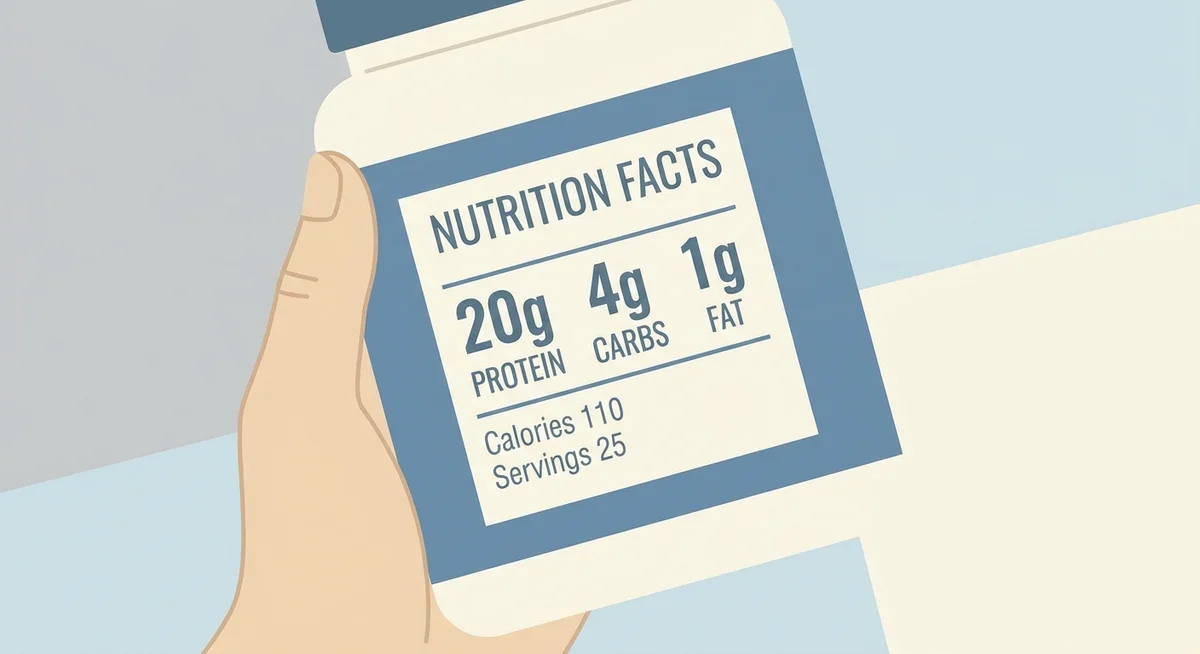
The nutrition panel tells you most of what you need to know, but only if you read it in the right order.
| What to check | What a good isolate shows | Red flag |
|---|---|---|
| Protein per 30 g serve | 25 g or higher | Under 22 g |
| First ingredient listed | Whey protein isolate | Whey concentrate or a "blend" |
| Lactose per serve | Under 1 g | 2 g or more |
| Fat per serve | Under 2 g | 4 g or more |
| Third-party certification | Informed Sport, BSCG, or NSF | No certification at all |
| Serving size relative to protein | Scoop size close to serve weight | 40 g scoop yielding 22 g protein (fillers) |
Does processing method actually change quality?
Yes, and it is worth understanding why. Cross-flow microfiltration uses physical membranes to separate protein from fat and lactose without heat or harsh chemicals. This tends to preserve more of the naturally occurring immunoglobulins and growth factors found in whey. Ion exchange, by contrast, uses chemical charges to isolate the protein fraction and can denature some of those bioactive compounds in the process, though the amino acid profile stays largely intact. Neither method produces a dramatically inferior protein, but microfiltration is generally the gentler route and is worth looking for on the label.
Reasons to choose isolate
- Higher protein percentage per gram of powder
- Less lactose, so easier on sensitive stomachs
- Lower fat content per serve
- Mixes cleaner with less foam
- Good fit for a calorie deficit where every gram counts
Reasons to skip isolate
- Costs more per kilogram than concentrate
- Marginal advantage for people without lactose sensitivity
- Some of the naturally occurring fat-soluble vitamins are removed
- Extra filtration can strip beneficial bioactive fractions
- Many blends label themselves "isolate" but contain mostly concentrate
What about flavoured isolates?
Vanilla is the most popular flavour for isolate, and for good reason: it works in shakes, smoothies, and baking without clashing with other ingredients. The key question is how much of the flavour system adds to the calorie count. Natural flavours, stevia, and monk fruit are low-impact. Artificial sweeteners like sucralose and acesulfame-K are calorie-free but some people find them bitter at high doses. Maltodextrin, on the other hand, is a starchy filler sometimes used to improve texture - it adds fast-digesting carbohydrate to a product marketed as lean, which defeats the point. For a full breakdown of what to look for in a vanilla product specifically, see our vanilla protein powder guide.
How much should a good whey isolate cost?
In Australia, a quality 1 kg bag of whey isolate from a reputable brand typically runs between $55 and $85 at retail. Per-serve cost on a 30 g scoop works out to roughly $1.65 to $2.55. If a product sits well below that range, check the ingredient list carefully: it is almost certainly a concentrate-heavy blend or a very small serving size dressed up to look cheaper. Paying slightly more for a genuine isolate from a certified manufacturer is usually better value than a budget tub that needs two scoops to hit your protein target.
Frequently asked questions
Is whey protein isolate safe to use every day?
Yes, for most healthy adults. Whey isolate is a food-derived protein with a strong safety record. Daily use at normal serving sizes (1 to 2 scoops) poses no known health risk. People with dairy allergies should avoid it entirely; people with kidney disease should speak with their doctor before increasing protein intake from any source. For a broader look at daily protein targets, see our guide on how much protein you need per day.
Can whey isolate help with fat loss?
It can support fat loss when used as part of a calorie-controlled diet. High protein intake helps preserve lean muscle during a deficit, and protein is more satiating than carbohydrate or fat gram for gram. Isolate's low fat and carbohydrate content makes it easy to fit into a tight daily calorie budget. It is not a fat burner; it is a tool for hitting your protein number without blowing your calorie ceiling.
Does whey isolate cause bloating?
Less often than concentrate, because most of the lactose has been removed. People who react to standard whey often tolerate isolate much better. If you still experience bloating with an isolate, check the ingredient list for added fibres, sugar alcohols (sorbitol, xylitol), or high doses of artificial sweeteners, all of which can cause gas in some people. Switching to an unflavoured isolate is a useful diagnostic step.
Should I take isolate before or after training?
Either works. The research on precise timing shows a smaller effect than overall daily protein intake. Most people find post-workout is the most practical window since it coincides with appetite and routine. If your next meal is more than two hours away after training, a shake is a sensible bridge. For a full review of the timing evidence, our article on protein powder timing covers the data without the gym-bro mythology.
Read our full vanilla protein powder guideDetailed buying advice, flavour tips, and what to look for on the label.