Protein Powder and Inflammation: What the Research Shows
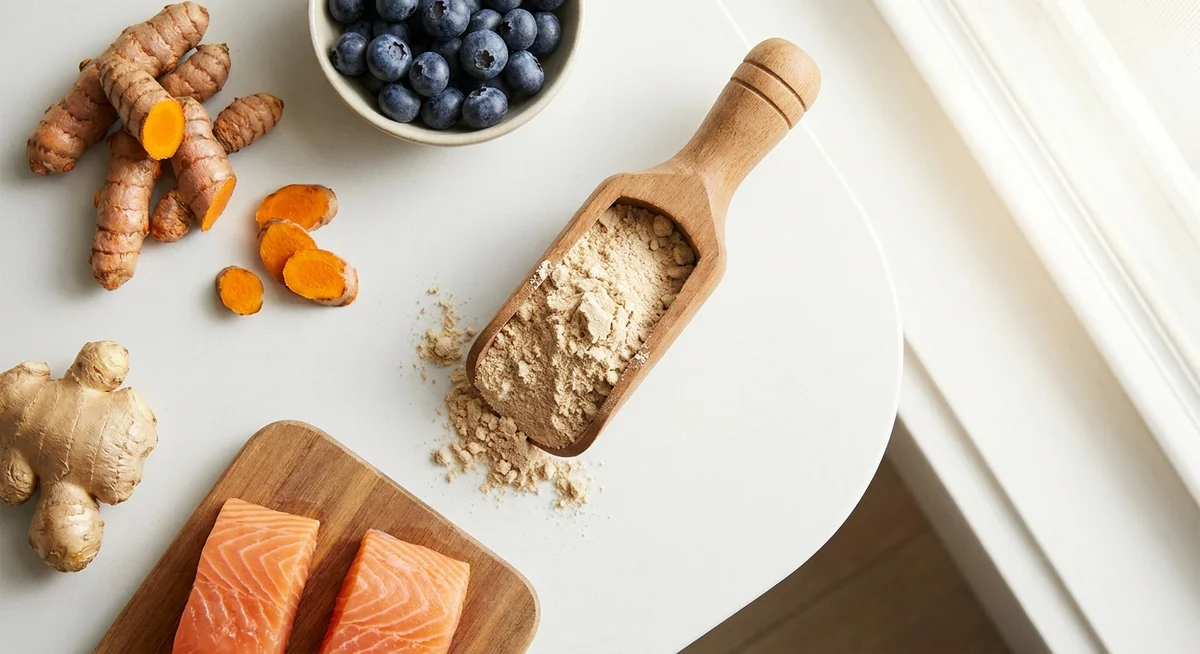
Protein powder can both reduce and contribute to inflammation, depending on which type you use, how much you take, and what the rest of your diet looks like. For most people eating a balanced diet and training regularly, the right protein supplement is genuinely anti-inflammatory. But a few specific scenarios can tip the balance the other way.
Key takeaways
- Whey protein contains bioactive peptides that have shown anti-inflammatory effects in clinical research.
- Plant-based proteins like pea and hemp generally have a neutral to positive effect on inflammatory markers.
- High doses of protein powder do not directly cause systemic inflammation in healthy people.
- Artificial sweeteners, fillers, and low-quality oils in some protein powders may be a bigger inflammation concern than the protein itself.
- People with autoimmune conditions or food sensitivities should choose protein type carefully.
Does protein powder cause inflammation?
The short answer is: usually not. Protein itself is not pro-inflammatory. Your body needs it to repair tissue, support immune cells, and synthesise glutathione, the body's main antioxidant. The question is really about what comes with the protein in a given product.
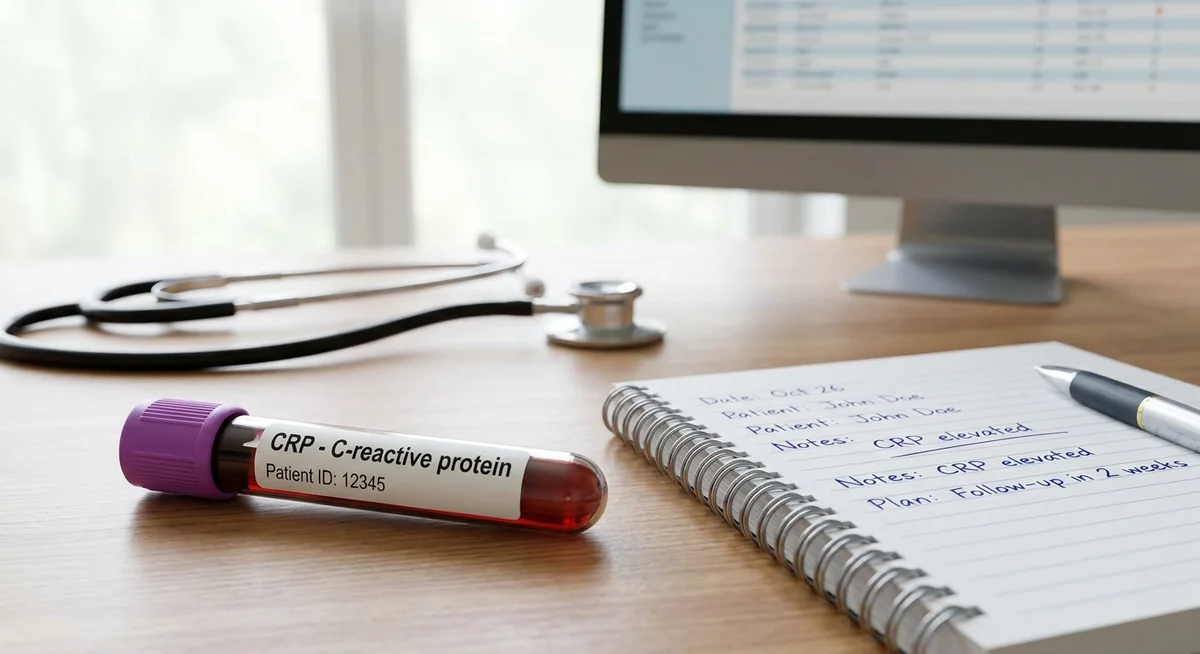
Studies measuring C-reactive protein (CRP) and interleukin-6 (IL-6), two common inflammatory markers, consistently show that whey and plant protein supplementation does not raise these levels in healthy adults. In fact, several trials show the opposite: regular protein intake, particularly from whey, is associated with lower CRP over time.
Where the concern becomes legitimate is with heavily processed powders that contain carrageenan, artificial colours, high-fructose corn syrup, or hydrogenated oils. These additives have independent links to gut inflammation, and if your protein powder contains them, any benefit from the protein itself is being undercut.
Which protein type has the best anti-inflammatory profile?
Not all proteins are equal here. The source matters, and the research breaks down fairly clearly.
| Protein Type | Inflammation Effect | Key Evidence |
|---|---|---|
| Whey Isolate | Anti-inflammatory | Raises glutathione; bioactive peptides reduce CRP in multiple RCTs |
| Whey Concentrate | Mostly neutral to positive | Similar benefits to isolate; higher lactose may irritate sensitive guts |
| Pea Protein | Neutral to positive | Rich in arginine; no known pro-inflammatory effect; well tolerated |
| Hemp Protein | Anti-inflammatory | Contains omega-3 fatty acids and GLA; direct anti-inflammatory properties |
| Soy Protein | Mixed | Isoflavones have antioxidant properties; some people with thyroid issues react poorly |
| Collagen Peptides | Positive for joint inflammation | Stimulates cartilage repair; reduces joint pain markers in OA trials |
| Egg White Protein | Neutral | No meaningful effect on inflammatory markers either way |
Whey isolate has the strongest evidence base for actively reducing inflammation, partly because the filtration process concentrates bioactive peptides like lactoferrin and beta-lactoglobulin that have documented immune-modulating effects. If anti-inflammatory support is your priority, whey isolate or hemp are the two most evidence-backed choices.
Can too much protein powder increase inflammation?
This is a common concern, and the nuance matters. High total protein intake from whole foods and supplements combined does not appear to raise inflammatory markers in people with healthy kidneys. However, two scenarios are worth watching:
Gut-driven inflammation: If your gut microbiome is out of balance, very high protein diets (above 2.5g per kg of body weight per day) can shift fermentation in the colon toward more inflammatory byproducts. This is less about the protein powder specifically and more about overall protein load relative to fibre intake. Keeping fibre up solves most of this.
Protein quality of the powder: A budget powder with a long ingredient list, artificial colours, and multiple sweeteners stacked together is doing more harm through those additives than any amount of protein is doing good. Reading labels matters. Check the protein powder nutrition label guide for exactly what to look for before buying.
Practical steps to get the anti-inflammatory benefits
Getting the most from your protein supplement when inflammation is a concern comes down to a few specific choices:
- Choose a short ingredient list. Protein source, a natural sweetener (stevia or monk fruit), and flavouring. That's enough.
- Add it to an anti-inflammatory base. Blending your shake with frozen berries, ginger, or a handful of spinach stacks real food benefits on top of the protein.
- Time it around training. Post-exercise is when your muscles are most inflamed from the workout itself, and protein consumed in this window directly supports the repair process that resolves that inflammation. The timing debate guide covers this in detail.
- Don't neglect sleep. Protein taken before bed has shown better overnight recovery markers, which matters because most immune resolution happens during deep sleep. The protein and sleep article has the specifics.
- Pair with omega-3s. Fish oil or flaxseed oil alongside your shake improves the anti-inflammatory effect, especially for anyone managing joint pain or chronic inflammation.
Frequently asked questions
Can protein powder help with chronic inflammation conditions like arthritis?
Collagen peptides have the strongest clinical support for joint inflammation specifically, with several trials showing reduced pain scores in people with osteoarthritis. Whey isolate may help through its glutathione-raising effect. Neither replaces medical treatment, but both are reasonable additions to a broader anti-inflammatory plan. Always check with your GP before starting if you're managing a diagnosed condition.
Is dairy-based protein more inflammatory than plant protein?
For most people, no. Dairy sensitivity and dairy inflammation are different things. People who are lactose intolerant or have a milk protein allergy will experience gut inflammation from whey concentrate. Those people do better with whey isolate (lower lactose) or a plant-based option. For everyone else, dairy protein is not inherently more inflammatory than plant protein.
Do artificial sweeteners in protein powder cause inflammation?
Some research links high intakes of certain artificial sweeteners (particularly aspartame and sucralose at very high doses) to changes in gut bacteria that correlate with inflammation. The amounts found in a daily serve of protein powder are generally well below concerning levels, but if you're taking multiple supplements daily that all contain artificial sweeteners, switching to stevia-sweetened products is a sensible precaution.
How long before I notice any anti-inflammatory effect from protein powder?
Most research measuring CRP and other markers looks at 8 to 12 week supplementation periods. Acute effects after a workout (less muscle soreness, faster recovery) can appear within the first few days. For meaningful changes in baseline inflammatory markers, a consistent 2 to 3 month period is realistic.
Find the right protein powder for your goalsBrowse Australia's protein powder guide and compare your options.