Protein Powder for Hikers: How to Fuel the Trail and Recover Faster
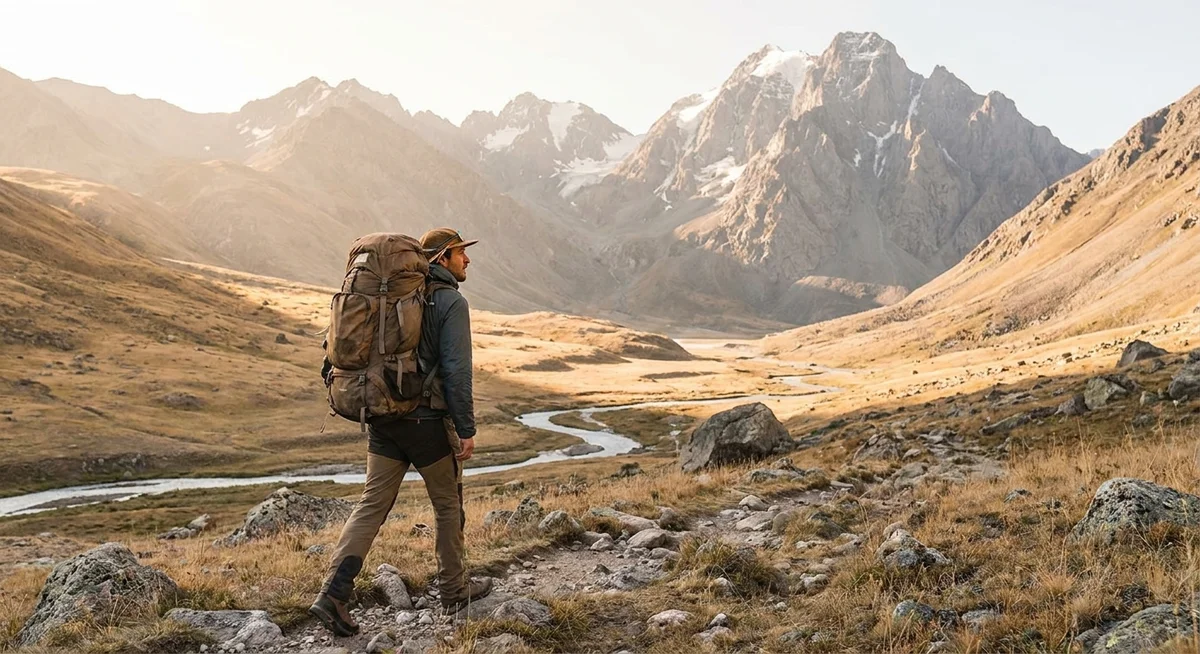
Hiking demands more protein than most walkers realise. Long climbs, uneven terrain, and heavy packs stress muscles in ways that steady-state cardio simply does not, and research consistently shows that prolonged walking with load accelerates muscle protein breakdown. The right protein powder helps you recover overnight, protect lean muscle on multi-day trips, and get back on the trail feeling strong.
Key takeaways
- Hikers need roughly 1.6 to 2.0 g of protein per kg of bodyweight on active trail days.
- Whey isolate is the fastest-absorbing option for post-hike recovery; casein or a blend works best before sleep on multi-day trips.
- Weight matters in a pack: look for single-serve sachets or high-protein-density powders with a low scoop weight.
- Plant-based options like pea-rice blends are competitive in quality and easier on the stomach at altitude.
- Flavoured powders mixed with just water are the most practical field option; avoid anything requiring milk.
How much protein do hikers actually need?
On a moderate 10-15 km day hike you will burn 400 to 700 calories, depending on pack weight, elevation gain, and your bodyweight. A portion of that comes from muscle protein, especially on sustained climbs. Sports science guidelines place endurance-style athletes at 1.4 to 1.7 g per kg of bodyweight per day; add a heavy pack and significant elevation and you are closer to the 1.8 to 2.0 g end of that range. For a 75 kg hiker that means 135 to 150 g of protein daily, which is genuinely difficult to hit from food alone when you are also managing pack weight.
Protein powder fills that gap neatly. A 30 g serving of a quality whey or pea-rice blend delivers 22 to 27 g of protein for roughly 80 to 130 calories, adding almost no weight to your pack compared with equivalent calories from food.
Which protein type works best on the trail?
The best type depends on when and where you plan to use it. Post-hike, at the trailhead or back at camp, fast-digesting whey isolate drives muscle protein synthesis faster than slower sources. For the end of a long backpacking day when you want sustained overnight recovery, a casein blend or a micellar casein powder absorbs over several hours, matching the long gap between dinner and breakfast.
| Protein type | Best for hikers when | Typical protein per 30 g scoop | Mixes with cold water? |
|---|---|---|---|
| Whey isolate | Post-hike recovery within 30-60 min | 24-27 g | Yes, very well |
| Whey concentrate | Day hikes, not lactose sensitive | 22-25 g | Yes |
| Casein / blend | Before sleep on multi-day trips | 22-24 g | Thicker, stir well |
| Pea-rice blend | Vegan hikers, high-altitude, sensitive stomachs | 20-24 g | Yes |
| Hemp protein | Light day hikes, added omega-3s | 12-15 g | Yes, grittier texture |
What should you look for on the label?
Hikers should prioritise three things when picking a powder: protein density, solubility, and ingredients that won't cause gut problems in the field.
Protein density. Look for a powder where protein makes up at least 75% of the calories per serving. Anything lower is padding the product with carbs or fat, which adds scoop weight without adding the amino acids you need for recovery.
Cold-water solubility. On the trail you rarely have hot water, a blender, or milk. Test any powder at home with cold water before you commit to carrying it. Whey isolates and most modern pea-rice blends dissolve cleanly. Casein and hemp powders can clump; shake vigorously or use a small hand shaker.
Minimal fillers and additives. Artificial sweeteners like sorbitol and mannitol are known to cause digestive distress under exercise stress. So can excess fibre additives. Keep the ingredient list short: protein source, natural flavouring, a little sunflower lecithin for mixing, and a sweetener like stevia or sucralose are all you need. For a detailed breakdown of what to trust on a protein label, see our protein powder buying guide.
Third-party testing. If you hike competitively or participate in trail races, choose a powder certified by Informed Sport, NSF Certified for Sport, or HASTA. These independent tests screen for banned substances that could appear on a doping test. Our article on protein powder marketing claims explains what certifications are worth paying for and which are just branding noise.
How to use protein powder before, during, and after a hike
Before. Eating enough protein in the 24 hours before a long day helps prime muscle repair. You do not need to chug a shake at the trailhead; just make sure your pre-hike dinner and breakfast together include at least 40-50 g of protein.
During. On hikes under 3 hours, protein during the walk is not necessary. For 4+ hour days, a small protein snack (a sachet mixed with water, or a protein bar equivalent) around the halfway mark helps reduce muscle protein breakdown and keeps your energy stable. Aim for 15-20 g.
After. This is where protein powder earns its place in your pack. Within an hour of finishing, a 25-30 g serving of fast-digesting whey isolate or a pea-rice blend restarts muscle protein synthesis, reduces next-day soreness, and replenishes the amino acid pool you burned through on the descent. Combine it with carbohydrates (a banana, crackers, or rice cakes) for full glycogen replenishment.
Multi-day trips. On consecutive hiking days, add a second serving before sleep. Research on endurance athletes shows that a 30-40 g slow-release protein dose (casein or a whey-casein blend) before bed maintains a positive muscle protein balance overnight, which is exactly what you need when you are hiking again at 6 am. For more on overnight protein strategy, read our guide on using protein powder at night for sleep and recovery.
Frequently asked questions
Can I mix protein powder with just water on the trail?
Yes, and it is the most practical approach. Whey isolates and most pea-rice blends dissolve well in 200-300 ml of cold water shaken in a lightweight bottle. Avoid casein powders for mid-trail use as they are thicker and harder to shake out fully without a blender. Flavours like vanilla, chocolate, or unflavoured all work; just test at home first so there are no surprises at elevation.
Will protein powder help with sore legs the day after a long hike?
Yes. Delayed onset muscle soreness (DOMS) after a long descent comes from eccentric muscle contractions, the same mechanism as hard leg training. Studies on post-exercise whey supplementation consistently show reduced DOMS at 24 and 48 hours compared with carbohydrate-only recovery. A post-hike protein shake is one of the simplest things you can do to feel better the following day.
How do I carry protein powder without a tub?
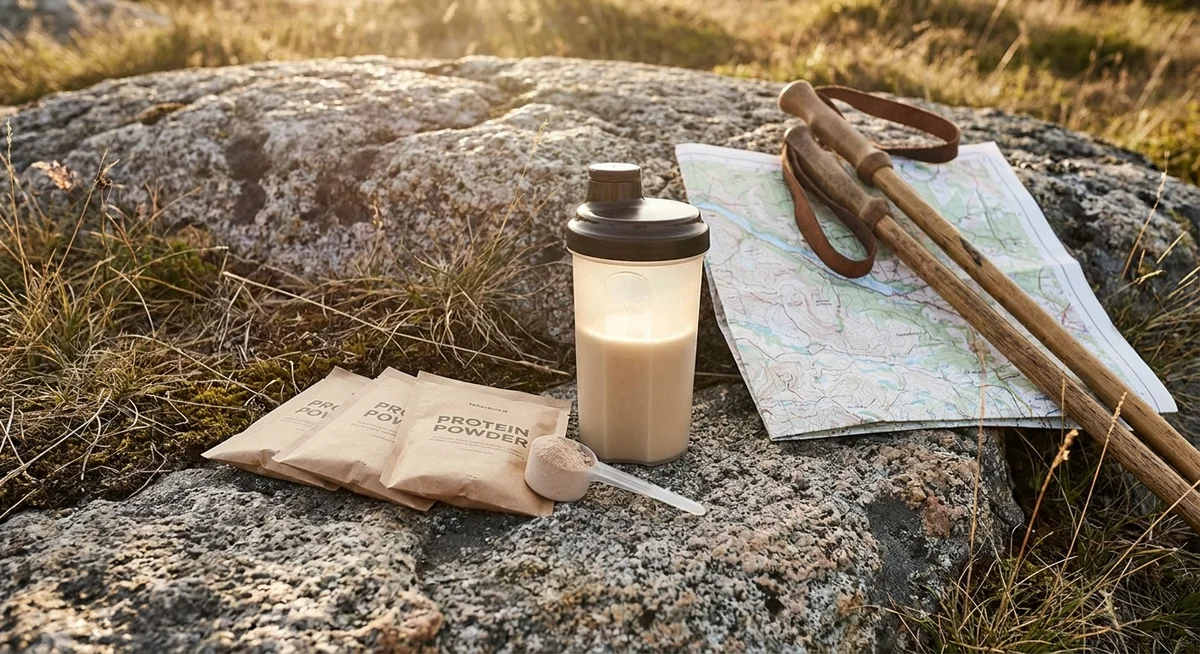
Pre-measured single-serve sachets are the easiest option and are widely available from most Australian protein brands. Alternatively, measure your daily servings at home into small zip-lock bags or reusable silicone pouches. Label each with the serving size. A week's supply of sachets adds less than 300 g to your pack, which is far lighter than equivalent whole-food protein sources.
Is protein powder safe at high altitude?
Yes. There are no altitude-specific risks from protein powder itself. The main consideration is hydration: protein metabolism requires adequate water, and staying hydrated at altitude already takes effort. Make sure you are drinking enough water alongside your protein serving, not instead of it. Aim for at least 400-500 ml with each post-hike shake.
Find the best protein powders for your trainingBrowse Australia's most comprehensive protein powder comparison guide.