Protein Powder and Digestion: Why Some Types Cause Bloating (and How to Fix It)
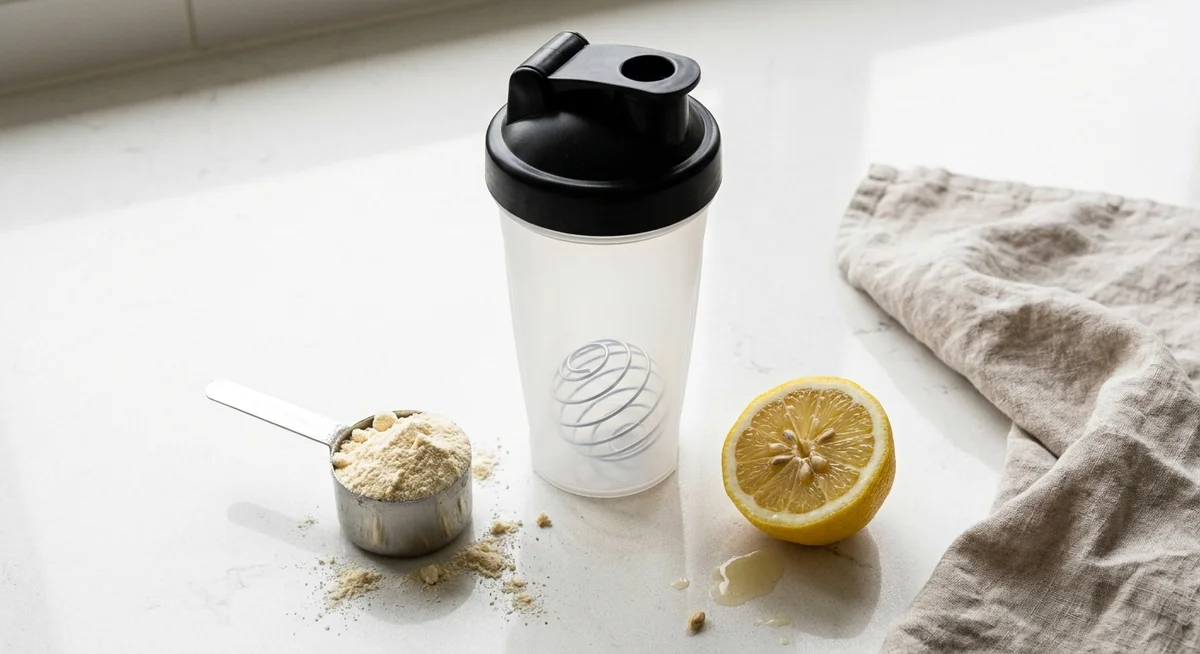
Protein powder can cause bloating, gas, and stomach cramps - but that doesn't mean you're stuck with it. The digestive response you get depends almost entirely on which protein type you're using, how much you take at once, and a few easy-to-fix habits. Understanding the mechanics helps you avoid the guesswork and pick a powder your gut will actually tolerate.
Key takeaways
- Whey concentrate is the most common cause of bloating, mainly due to its lactose content.
- Whey isolate and hydrolysed whey are processed to remove most lactose, making them gentler for sensitive stomachs.
- Plant proteins are naturally lactose-free but can cause gas through fermentable fibres if taken in large doses.
- Digestive enzymes, spacing out servings, and mixing with water (not milk) often solve the problem without switching products.
- Persistent discomfort may signal a protein intolerance rather than just a dosing issue.
Why does protein powder cause digestive discomfort?
Digestive discomfort from protein powder almost always comes down to one of three things: lactose, incomplete protein absorption, or fermentable fibres. Each protein type has a different profile, and matching the right type to your tolerance is the fastest way to solve the problem.
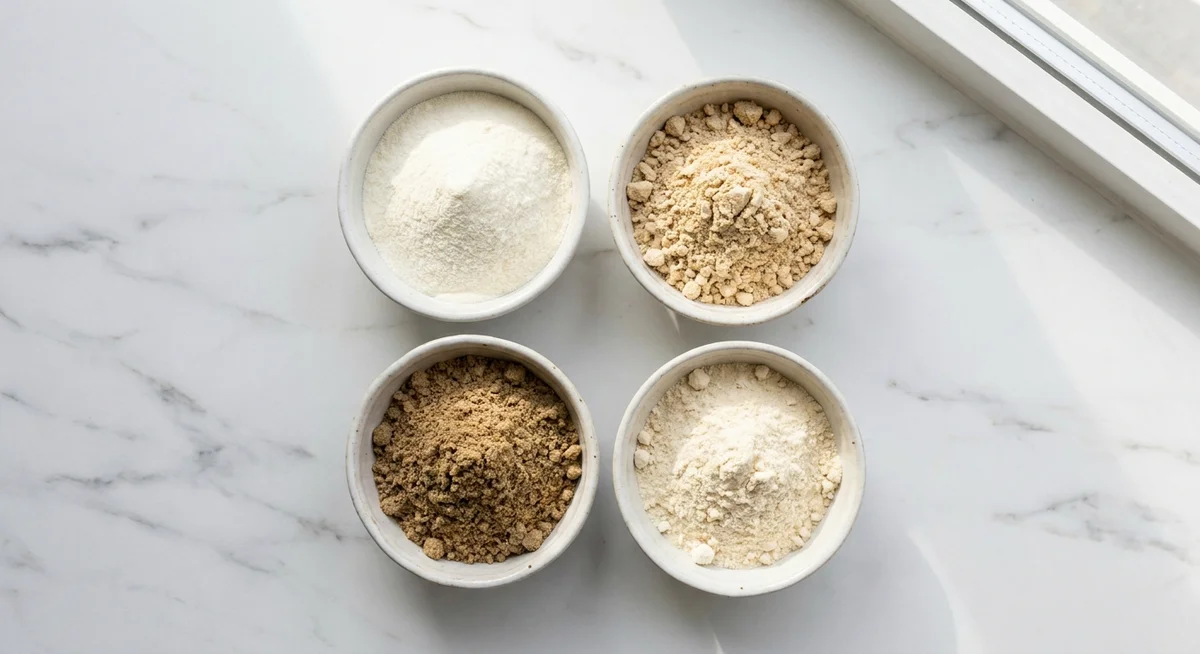
Lactose is the biggest culprit. Standard whey concentrate retains a significant portion of the lactose from milk during processing. For the roughly 65% of the population with some degree of lactose intolerance, even moderate amounts can trigger bloating, cramping, and urgent bathroom trips within an hour or two of drinking a shake.
The second issue is absorption rate. Some proteins - particularly casein - digest very slowly. While that's useful for overnight recovery (as covered in our article on protein powder and sleep), it can cause a feeling of heaviness and fullness that some people mistake for bloating.
Plant proteins bring their own challenge: fermentable oligosaccharides and fibre found naturally in legumes and seeds. In high doses, these feed gut bacteria and produce gas as a byproduct.
How do different protein types compare on digestion?
| Protein Type | Digestion Speed | Lactose Content | Bloating Risk | Best For |
|---|---|---|---|---|
| Whey Concentrate | Fast (1-2 hrs) | Moderate to high | High for lactose-sensitive people | Those with no dairy sensitivity |
| Whey Isolate | Fast (1-2 hrs) | Very low (<1g per serve) | Low | Lactose-sensitive users who want whey |
| Hydrolysed Whey | Very fast (<1 hr) | Negligible | Very low | Sensitive stomachs, post-surgery recovery |
| Casein | Slow (5-7 hrs) | Low to moderate | Moderate (heaviness, not gas) | Overnight use, not sensitive to dairy |
| Pea Protein | Moderate (2-3 hrs) | None | Low to moderate (fibre-related at high doses) | Dairy-free, plant-based users |
| Brown Rice Protein | Moderate (2-3 hrs) | None | Low | Sensitive digestive systems, vegan |
| Hemp Protein | Moderate (2-3 hrs) | None | Low to moderate (higher fibre content) | Whole-food nutrition focus |
What can you do if your current protein is causing problems?
Quick fixes to try first
- Mix with water instead of milk to cut the lactose load significantly.
- Split a 40g serving into two 20g servings taken an hour apart.
- Add a digestive enzyme supplement (look for lactase if dairy is the issue).
- Slow down. Gulping a shake fast introduces air and speeds delivery of undigested protein to your colon.
- Give your body a two-week adjustment period if you've recently increased your protein intake significantly.
When to switch products
- Discomfort persists even after a two-week adjustment period.
- You experience symptoms every single time, regardless of dose.
- You already mix with water and space servings, but still have problems.
- A GP or dietitian has confirmed a dairy or legume intolerance.
- You're using a concentrate and haven't tried an isolate or plant-based option yet.
Does the protein amount matter?
Yes, quite a bit. Eating far more protein than your kidneys and digestive system can process in a single sitting pushes undigested protein into the large intestine, where bacteria ferment it and produce gas. Research generally suggests the upper end for absorption per meal sits somewhere between 25 and 40 grams for most adults, though this varies by body size and training status. Our guide on how much protein you actually need per day breaks down the numbers by goal and body weight, which is worth checking before you decide on a serving size.
If you're working with a calorie-restricted intake and trying to hit high protein targets efficiently, it's also worth reading how to approach protein powder in a calorie deficit - because overcorrecting by dramatically spiking your protein all at once tends to backfire on both digestion and satiety.
Should you look at the protein's quality score?
Most people don't check digestibility scores on a nutrition label, but they exist for a reason. The DIAAS (Digestible Indispensable Amino Acid Score) and older PDCAAS (Protein Digestibility-Corrected Amino Acid Score) measure both amino acid completeness and how well the human gut actually absorbs that protein. Whey isolate and egg white protein score highest. Most plant proteins score lower, though blended plant proteins (pea plus rice, for example) close the gap considerably. A high DIAAS score means less undigested protein reaching the colon, which generally means less gas. This is one of the least-marketed but most practically relevant numbers on any quality protein tub - and our breakdown of how to read a protein powder nutrition label explains where to find it.
Frequently asked questions
Is it normal for protein powder to cause bloating at first?
Yes, especially if you've significantly increased your total protein intake quickly. Your gut microbiome takes two to four weeks to adjust to higher protein loads. If bloating appears in the first week and then fades, that's a normal adaptation response. If it continues past the four-week mark at a consistent dose, the protein type itself is likely the issue rather than the adjustment period.
Can I take lactase tablets with whey concentrate to avoid bloating?
Lactase enzyme supplements taken just before your shake can help if lactose is the primary cause. They work by breaking down lactose before it reaches the large intestine. They're not a guaranteed fix for everyone, and they do nothing for people whose bloating comes from other sources like sugar alcohols, fermentable fibres, or high total protein doses.
Is plant protein always easier on digestion than whey?
Not always. While plant proteins are naturally lactose-free, some, particularly hemp and high-dose pea protein, contain fermentable fibres that cause gas in sensitive individuals. For many people, whey isolate - which removes nearly all lactose - is actually gentler than a plant protein at the same dose. The right choice depends on your specific tolerance, not a general rule about plant being "safer".
Does temperature affect how protein powder digests?
Mixing protein powder into hot liquids denatures the protein structure slightly but doesn't meaningfully change digestibility in most cases. Some people find warm shakes easier on their stomach in the morning. Cooking with protein powder (in oats or baked goods) further denatures the protein but absorption remains comparable to a cold shake - so if you're baking with your protein, you won't lose significant digestive benefit.
Looking for a protein powder that's easy on your stomach?Our vanilla protein powder guide covers ingredients, sourcing, and what to check before you buy.