Egg White Protein Powder: How to Pick the Right One

Egg white protein powder is one of the oldest sports nutrition staples, and for good reason. It delivers a complete amino acid profile, digests steadily without the lactose found in most whey products, and mixes cleanly into shakes and baked goods alike. If you want high-quality protein without dairy, egg white powder deserves a close look before you settle on a plant-based alternative.
Key takeaways
- Egg white protein is a complete protein, meaning it contains all nine essential amino acids your body cannot make on its own.
- It digests at a medium pace, faster than casein but slower than whey isolate, making it useful at multiple points in the day.
- Quality products should list pasteurised egg whites (or dried egg whites) as the only or first ingredient, with minimal fillers.
- People with egg allergies cannot use it; for everyone else it is well tolerated and low in fat and carbohydrates.
- Protein content per 30 g serve should be 22 g or higher in a reputable product.
What exactly is egg white protein powder?
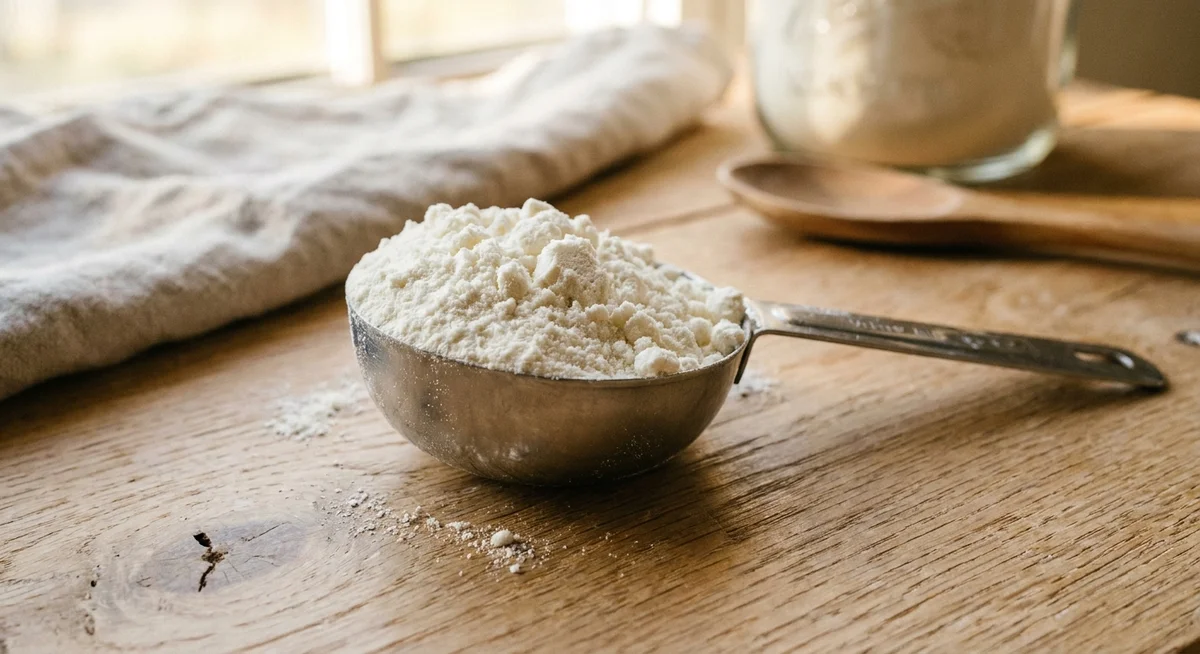
Egg white protein powder is made by separating egg whites from yolks, pasteurising the whites to neutralise avidin (a compound that blocks biotin absorption when raw), and then spray-drying them into a fine powder. The result is a shelf-stable protein with virtually no fat, minimal carbohydrates, and a biological value that rivals whey. Most commercial products are unflavoured or lightly flavoured, and the texture is notably smooth compared to many plant proteins.
How does egg white protein compare to other types?
Egg white protein sits in a useful middle ground. It is not as fast-digesting as whey isolate, not as slow as casein, and not as limited in amino acids as most single-source plant proteins. The table below gives a practical comparison.
| Protein type | Complete protein? | Digestion speed | Dairy-free? | Typical protein per 30 g serve |
|---|---|---|---|---|
| Egg white | Yes | Medium | Yes | 22–26 g |
| Whey isolate | Yes | Fast | No | 25–28 g |
| Casein | Yes | Slow | No | 21–24 g |
| Pea protein | Near-complete | Medium | Yes | 20–24 g |
| Soy protein | Yes | Medium | Yes | 22–25 g |
The medium digestion rate makes egg white protein a solid choice throughout the day, not just immediately post-workout. If you are choosing between dairy and non-dairy complete proteins, it is the only animal-derived option that is entirely lactose-free. For a broader look at how different protein sources stack up, the whey protein guide covers the dairy side in detail, and the soy protein guide walks through the main plant-based alternative.
What should you look for on the label?
The ingredient list tells you most of what you need to know. A quality egg white protein powder should have pasteurised dried egg whites as the first (and ideally only) ingredient before any flavouring agents. Watch for these specifics:
Signs of a quality product
- Pasteurised egg whites listed first
- 22 g or more of protein per 30 g serve
- Under 3 g of carbohydrates per serve
- Under 1 g of fat per serve
- Short ingredient list (5 or fewer items for unflavoured)
- Third-party tested or Informed Sport certified
Red flags to avoid
- Whole egg powder listed instead of egg whites (adds fat significantly)
- High maltodextrin content early in the ingredient list
- Proprietary blends that obscure individual protein amounts
- Artificial sweeteners in products marketed as "natural"
- No mention of pasteurisation on the label
Who benefits most from egg white protein?
Egg white protein is a good fit for several specific situations. People with lactose intolerance or dairy sensitivity who still want an animal-derived complete protein will find it does the job that whey cannot. Athletes cutting body fat benefit from the low fat and carbohydrate content, which makes it easier to hit protein targets without adding unwanted calories. It also works particularly well in cooking and baking because it behaves similarly to liquid egg whites, producing better texture in protein pancakes, muffins, and high-protein bread than most whey products do.
It is worth noting that egg white protein is not suitable for people with egg allergies, and anyone with concerns about cholesterol should know that the yolk is completely removed, so dietary cholesterol is not a factor here. If you are managing a broader set of dietary restrictions alongside your protein choices, the protein powder for food allergies guide covers the full landscape of allergen considerations.
How much should you take and when?
Standard dosing mirrors general protein powder guidance: one to two serves per day (25–50 g of protein from the powder) depending on how much you get from whole food sources. Because it digests at a medium pace, it works well at breakfast, between meals, or immediately after training. It is not as optimal as casein for a late-night serve if your primary goal is overnight muscle protein synthesis, but it handles the role adequately if it is the only powder you keep on hand.
For active people tracking their intake carefully, the guide on timing protein powder for best results gives a practical framework for fitting any powder type into a day's nutrition plan.
Frequently asked questions
Is egg white protein powder as good as whey for building muscle?
Research shows egg white protein supports muscle protein synthesis effectively, though whey isolate has a slight edge in speed of absorption right after training due to its leucine content. For most people training recreationally or even seriously, the difference is small enough that consistency and total daily protein matter far more than which type you choose.
Does egg white protein powder taste like eggs?
Unflavoured versions have a mild, slightly savoury taste that some people notice and others do not. Flavoured versions (vanilla, chocolate) mask it almost completely. Mixing it with milk alternatives or blending it with fruit tends to eliminate any egg flavour entirely. It blends more smoothly than most unflavoured plant proteins.
Can egg white protein cause bloating?
Egg white protein is generally well tolerated and does not cause the bloating some people get from whey concentrate (which contains lactose) or high-fibre plant proteins. Some individuals are sensitive to the naturally occurring proteins in egg whites, so if you notice digestive discomfort, start with a half-serve and build up to assess your tolerance.
How is egg white protein powder different from whole egg protein powder?
Whole egg powder includes the yolk, which adds significant fat (primarily healthy unsaturated fats) and raises the calorie count per serve by roughly 40–60 calories compared to egg white only. Whole egg powder is useful for people in a calorie surplus who want the additional fat-soluble vitamins in the yolk. Egg white powder is better suited to those watching total calorie and fat intake.
Compare protein powders on Australia's Protein Powder GuideRead reviews and ingredient breakdowns to find the right formula for your goals.