Hemp Protein Powder: How to Pick the Right One
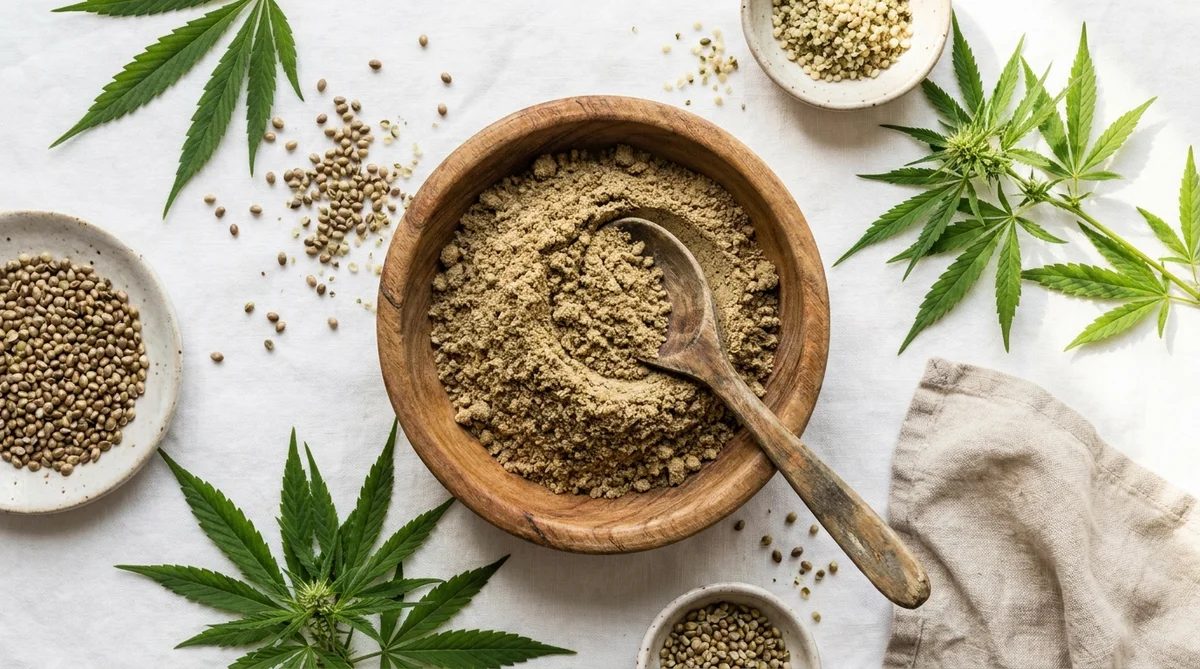
Hemp protein powder is made by cold-pressing hemp seeds to remove most of the fat, then milling the remaining cake into a fine powder. The result is a complete plant protein that also delivers fibre, healthy fats, and a range of minerals in every scoop. It suits vegans, people with dairy intolerances, and anyone who wants a less processed protein source — but product quality varies enormously, so knowing what to look for saves you money and disappointment.
Key takeaways
- Hemp protein is a complete protein, meaning it contains all nine essential amino acids.
- Typical products deliver 12 to 15 g of protein per 30 g serving — lower than whey or pea, but with added fibre and omega-3s.
- Cold-pressed and minimally processed products preserve more nutrients than heat-treated alternatives.
- Look for a protein percentage of at least 50% (ideally 55-60%) on the label.
- Third-party testing for heavy metals and pesticides matters more with hemp than most other protein sources.
Is hemp protein actually a complete protein?
Yes. Hemp seed contains all nine essential amino acids, including adequate levels of lysine — the amino acid that most plant proteins fall short on. That said, the leucine content (the amino acid most directly linked to muscle protein synthesis) is lower than in whey or pea protein. This does not make hemp a poor choice; it means you may need a slightly larger serving to hit the same muscle-building stimulus. For overall health, recovery, and daily protein targets, hemp is a solid performer.
The amino acid profile also includes a generous amount of arginine, which supports blood flow, and branched-chain amino acids (BCAAs) at levels that compare well to other plant sources. If you train regularly and eat a varied diet, hemp protein fits comfortably into your nutrition plan.
How does hemp protein compare to other plant proteins?
| Protein Type | Protein per 30 g serving | Complete protein? | Fibre (per serving) | Best for |
|---|---|---|---|---|
| Hemp | 12–15 g | Yes | 4–6 g | Whole-food nutrition, gut health |
| Pea | 20–24 g | No (low methionine) | 1–2 g | Muscle building, high protein targets |
| Brown Rice | 21–23 g | No (low lysine) | 2–3 g | Pairing with pea protein |
| Soy | 22–25 g | Yes | 1–2 g | High protein, low cost |
For a broader look at how plant and animal proteins stack up, the guide on plant protein vs whey covers the key differences in digestibility and amino acid quality.
What should you look for on the label?
Not all hemp protein powders are equal. The protein percentage on the label tells you how much of the powder is actually protein by weight. Cheaper products sometimes contain more fibre and fat from the seed hull, which dilutes the protein content. Here is what to check:
Signs of a quality product
- Protein content of 50% or higher (15 g+ per 30 g serving)
- Cold-pressed processing noted on the label
- Third-party tested for heavy metals and pesticides
- Short ingredient list: hemp protein and perhaps a natural flavouring
- Organic certification if budget allows
- Country of origin listed (ideally Canada, Australia, or EU-grown hemp)
Red flags to avoid
- Protein content below 40% (mostly fibre filler)
- Artificial sweeteners and colours in a "natural" product
- No third-party testing or batch certificates
- Vague origin labelling or "proprietary blend" language
- Excessive added sugars to mask the earthy taste
- Prices well below the market average (usually means poor sourcing)
Does hemp protein contain THC?
This is the question most people ask first. Commercial hemp is bred to contain virtually no THC (the psychoactive compound in cannabis). In Australia, food-grade hemp protein must comply with FSANZ standards, which cap THC content at levels far too low to have any effect. Reputable brands will have lab reports confirming this. If you are a competitive athlete subject to drug testing, look for a product with a formal third-party certification and check with your sport's governing body, since trace contamination is theoretically possible with lower-quality products.
Who benefits most from hemp protein?
Hemp protein is a particularly good fit for people who want a less-refined, more whole-food protein source. The naturally occurring fibre supports digestion and helps you feel full longer, which makes it a useful tool for body composition if hunger management is part of your goal. The omega-3 and omega-6 fatty acids retained from the seed also contribute to anti-inflammatory recovery — a benefit that isolated proteins like whey do not offer.
It is also worth noting that hemp protein is one of the easiest plant proteins to digest. Unlike legume-based proteins (pea, soy), it contains no oligosaccharides — the carbohydrates responsible for gas and bloating. If you have found other plant proteins hard on your gut, hemp is worth trying. You can learn more about choosing proteins that work with your digestion in the guide on protein powder and gut health.
For people already using natural protein powder and wanting to extend their plant-based options, hemp is a logical next addition. It pairs well with pea or rice protein if you want to push your per-serving protein higher while keeping the whole-food character.
Frequently asked questions
How much hemp protein should I take per day?
Because hemp protein delivers around 12 to 15 g of protein per 30 g scoop, you may need one to two servings to meaningfully supplement your daily intake. Most active adults need 1.4 to 2.0 g of protein per kilogram of body weight per day. Work out your total from food first, then use hemp protein to bridge the gap. For a full breakdown, see the guide on how much protein you need per day.
Does hemp protein powder expire?
Yes. Hemp protein contains residual fats from the seed, which can go rancid if the powder is stored poorly. Keep it in an airtight container away from heat and direct sunlight. Most products are good for 12 to 24 months unopened, and 3 to 6 months after opening. A rancid smell (sharp, bitter, or paint-like) is a clear sign to discard it.
Can I bake with hemp protein powder?
Yes, and it works well. Hemp protein handles heat better than whey (which can become rubbery at high temperatures). Substitute up to 20% of the flour in a recipe with hemp protein for added nutrition without dramatically changing the texture. The earthy flavour blends particularly well in banana bread, oat bars, and chocolate-based baked goods.
Is hemp protein suitable during pregnancy?
Generally, yes — hemp protein is minimally processed and free from many allergens that can be problematic during pregnancy. However, the advice to seek a product with verified-low THC content is especially important here. Always check with your GP or midwife before adding any supplement to your diet during pregnancy.
Compare plant-based and protein powder optionsRead our guide to choosing the right protein powder for your goals.