Protein Powder and Gut Health: How to Choose a Formula That Works With Your Microbiome
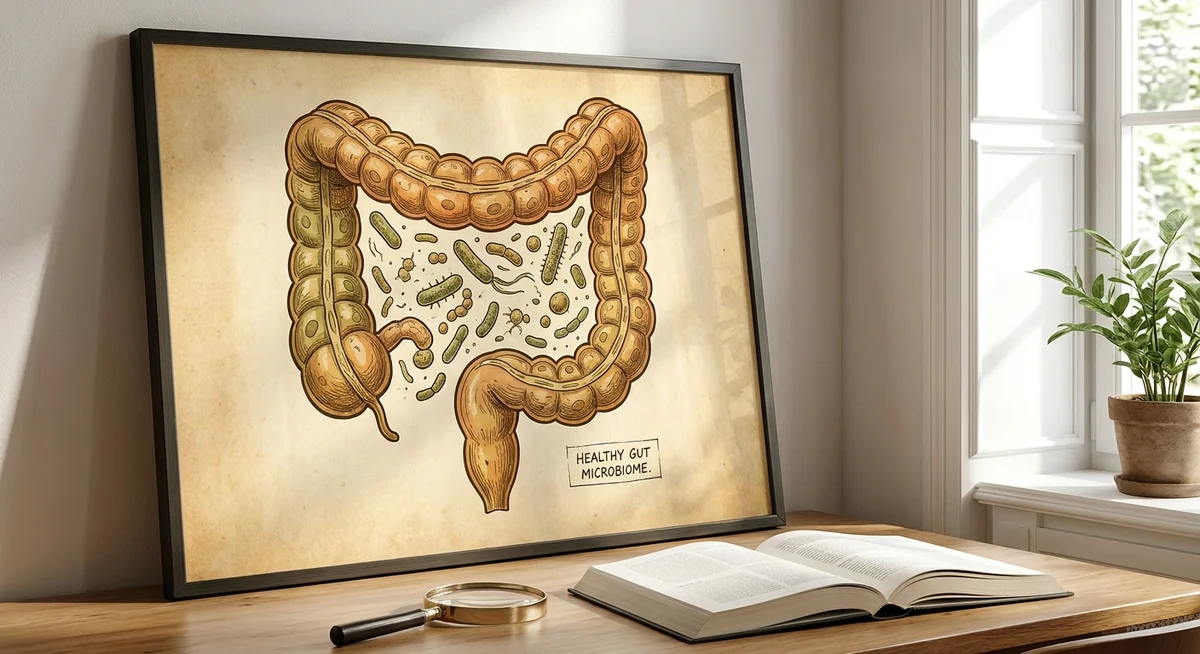
The protein powder you mix every morning does more than feed your muscles. It passes through roughly nine metres of digestive tract, and every gram of it interacts with trillions of gut bacteria along the way. Some protein sources feed beneficial bacteria and improve absorption. Others can shift the balance the wrong way. Choosing the right formula is not just about macros — it is about picking something your gut can actually use.
Key takeaways
- Different protein sources (whey, casein, plant-based) affect gut bacteria composition in measurably different ways.
- Lactose in whey concentrate is a common cause of gut disruption; isolates remove most of it.
- Plant-based proteins naturally carry prebiotic fibre that feeds beneficial bacteria.
- Fermented and enzyme-enhanced formulas can significantly improve tolerance and absorption.
- Dose and timing both matter: spreading protein across meals is better for gut bacteria than one large bolus.
How does protein powder affect gut bacteria?
Your gut microbiome responds to what you eat within 24 to 48 hours. Feed it fermentable fibre and it produces short-chain fatty acids that protect the gut lining. Feed it a large bolus of rapidly absorbed protein and some of that protein reaches the large intestine undigested, where bacteria ferment it — a process called proteolytic fermentation. The byproducts include ammonia, hydrogen sulphide, and other compounds that, in high quantities, can irritate the gut lining and shift the bacterial population toward less beneficial strains.
This does not mean protein is bad for your gut. It means dose, protein type, and formula quality all matter more than most people realise.
Which protein types are easiest on your gut?
Not all proteins ferment at the same rate or produce the same bacterial response. Here is how the main types compare.
| Protein Type | Digestion Speed | Gut Bacteria Effect | Common Gut Issues |
|---|---|---|---|
| Whey Concentrate | Fast | Can increase Lactobacillus strains; lactose feeds some bacteria | Bloating, loose stools if lactose-sensitive |
| Whey Isolate | Fast | Similar to concentrate; minimal lactose residue | Much better tolerated by lactose-sensitive users |
| Casein | Slow (4-7 hours) | Slower fermentation; less proteolytic burden in the colon | Generally well tolerated; can cause heaviness |
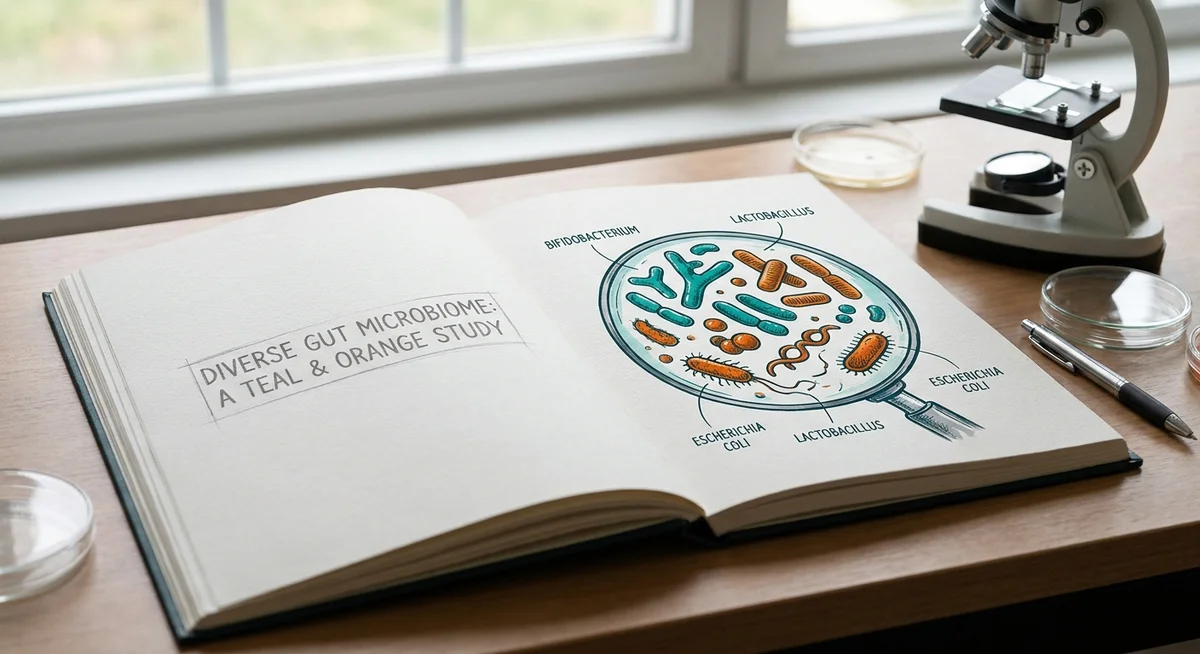
| Pea Protein | Moderate | Prebiotic fibre supports Bifidobacterium and Lactobacillus | Mild gas initially; settles with consistent use |
| Hemp Protein | Slow | High fibre content actively feeds beneficial bacteria | Can cause loose stools at high doses |
| Soy Protein | Moderate | Mixed effects; oligosaccharides are prebiotic but also gas-forming | Bloating common; isolate form reduces this |
What ingredients in a protein powder actively support gut health?
Some formulas go beyond protein and include ingredients that have a direct positive effect on the gut microbiome. Here is what to look for on the label.
Ingredients that help
- Digestive enzymes (protease, lactase, amylase): break down protein before it reaches the colon, reducing proteolytic fermentation.
- Prebiotics (inulin, chicory root, FOS): feed beneficial bacteria without requiring a separate supplement.
- Probiotics (live cultures like Lactobacillus acidophilus): directly add beneficial strains if the product is shelf-stable enough to keep them alive.
- Fermented protein bases: pre-digested protein is absorbed higher in the gut, leaving less for colonic bacteria to ferment.
Ingredients that can cause problems
- Lactose (in concentrate): primary driver of bloating and cramps in lactose-sensitive users.
- Artificial sweeteners (sucralose, saccharin): research suggests these can reduce beneficial bacterial diversity at high doses.
- Guar gum and carrageenan: thickeners that some people find irritating, particularly with IBS.
- Very high doses per serving (50g+): overwhelms digestive enzymes and pushes more protein into the colon.
How much protein can your gut actually absorb in one sitting?
This is one of the most practical questions in sports nutrition, and the research has a reasonably clear answer. Studies consistently show that the gut absorbs between 20 and 40 grams of protein per meal efficiently, depending on body size, training status, and the protein source. Whey is absorbed faster (around 8-10g per hour) than casein (around 6g per hour) or plant proteins, which vary by source.
What this means practically: taking 60g of protein in a single post-workout shake does not double your muscle-building signal. It does, however, send a significant load of undigested protein to your large intestine, where bacteria will ferment it. For gut health, two 25-30g serves spread across the day will always outperform one large bolus. This also aligns with what the research shows about muscle protein synthesis: the signal is fairly saturated above 40g in a single sitting for most people.
For a deeper look at how timing affects your results, the guide on when to take protein powder covers the key windows in detail.
Does protein powder affect gut health differently if you have IBS or a sensitive gut?
Yes, and the choice of protein source matters more for you than for anyone else. People with irritable bowel syndrome (IBS) or diagnosed gut sensitivity should look at three things specifically: lactose content, sweetener type, and added thickeners.
Whey isolate is generally the safest whey option because the filtration process removes most lactose. If you are fully dairy-intolerant, pea protein is the most studied plant alternative and has shown good tolerance in clinical trials. Avoid formulas with multiple gums (guar, xanthan, carrageenan) in the ingredient list, especially if you are following a low-FODMAP approach.
Digestive enzyme blends added to a formula are genuinely useful here, not just a marketing addition. A protease enzyme breaks down protein in the small intestine before it has a chance to reach the colon, which directly reduces the proteolytic fermentation that causes gas and cramping.
If you are still working out which type suits your gut best, the protein powder buying guide is a practical starting point for narrowing down options.
FAQ
Can protein powder cause leaky gut?
There is no solid human trial evidence that moderate protein powder use causes leaky gut (increased intestinal permeability) in healthy people. However, very high intake over long periods, particularly from sources that drive proteolytic fermentation, can irritate the gut lining. Sticking to 1.6-2.2g of protein per kilogram of bodyweight per day, spread across meals, keeps the risk low for most people.
Is plant protein better for gut health than whey?
Plant proteins carry fibre that whey does not, which actively feeds beneficial bacteria. For pure gut microbiome diversity, plant-based options have an edge. However, whey isolate with added digestive enzymes is well tolerated by most people and supports a healthy gut at normal doses. The best protein for gut health is the one you tolerate consistently without symptoms.
Should I take a probiotic with my protein powder?
If your formula does not already contain live cultures, a separate probiotic can help, particularly if you have recently taken antibiotics or notice digestive changes when you increase your protein intake. Look for a multi-strain product with at least one billion CFU. Take it at a different time of day from a large protein shake to avoid the stomach acid spike that comes with a big meal.
How long does it take the gut to adjust to a new protein powder?
Most people see gut symptoms (gas, bloating, changes in stool consistency) settle within two to three weeks of consistent use. This is the time it takes for the bacterial population to shift in response to a new food substrate. If symptoms persist beyond three weeks, the formula is probably not right for your gut and switching sources is worth trying.
Find a protein powder that works with your gutCompare formulas with clean ingredient lists on Australia's protein powder guide.