Egg White Protein Powder: How to Pick the Right One
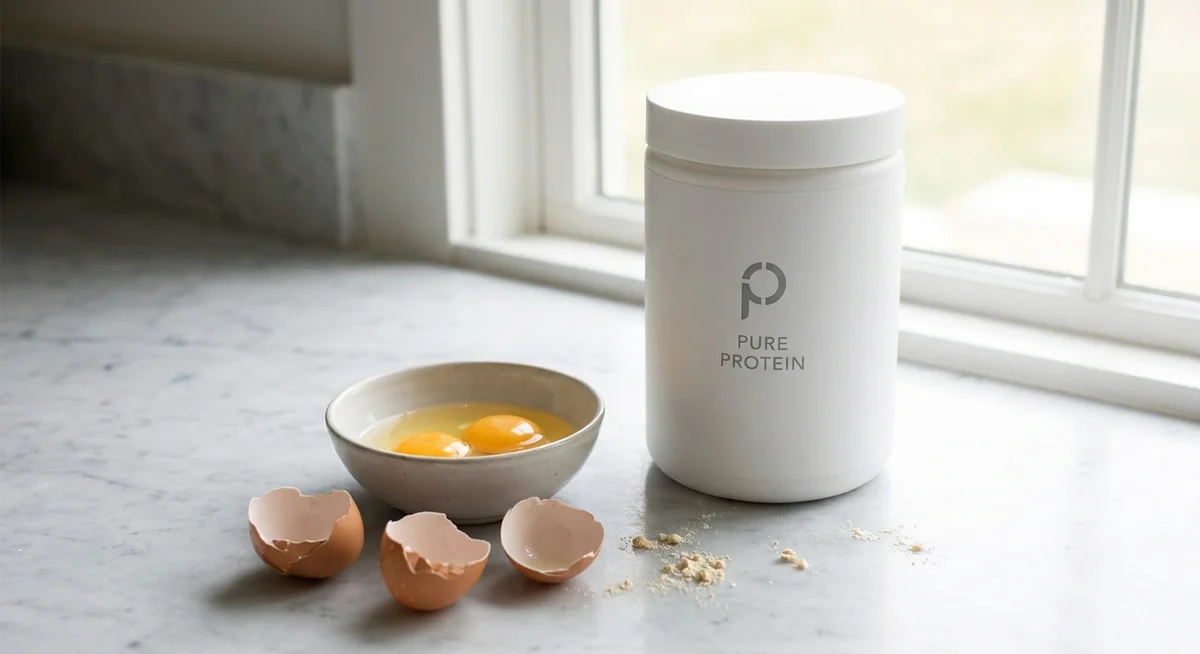
Egg white protein powder is one of the few complete protein sources that contains no dairy, no soy, and no artificial fillers by default. It delivers all nine essential amino acids, digests at a moderate pace, and suits people who react badly to whey or casein. If you are comparing options for a dairy-free diet, egg white protein deserves a serious look before you settle on a plant-based blend.
Key takeaways
- Egg white protein is a complete protein with a PDCAAS score of 1.0, the highest possible rating.
- It digests faster than casein but slower than whey isolate, making it versatile across the day.
- Look for a short ingredient list: dried egg whites, a natural flavour if any, and nothing else unnecessary.
- Carbohydrates and fat per serve should both be under 2 g in a quality unflavoured product.
- It works well for people with lactose intolerance, dairy allergies, or anyone wanting variety away from whey.
What makes egg white protein different from whey?
The biggest practical difference is the source. Whey comes from cow's milk; egg white protein comes from pasteurised, spray-dried egg albumen. Both are complete proteins, but egg white has no lactose at all, which matters for people who experience bloating or discomfort with dairy-based powders. The amino acid profile is slightly different too. Egg white protein is particularly rich in arginine and glycine, whereas whey leads in leucine. Both are more than adequate for muscle protein synthesis when you hit the right daily total.
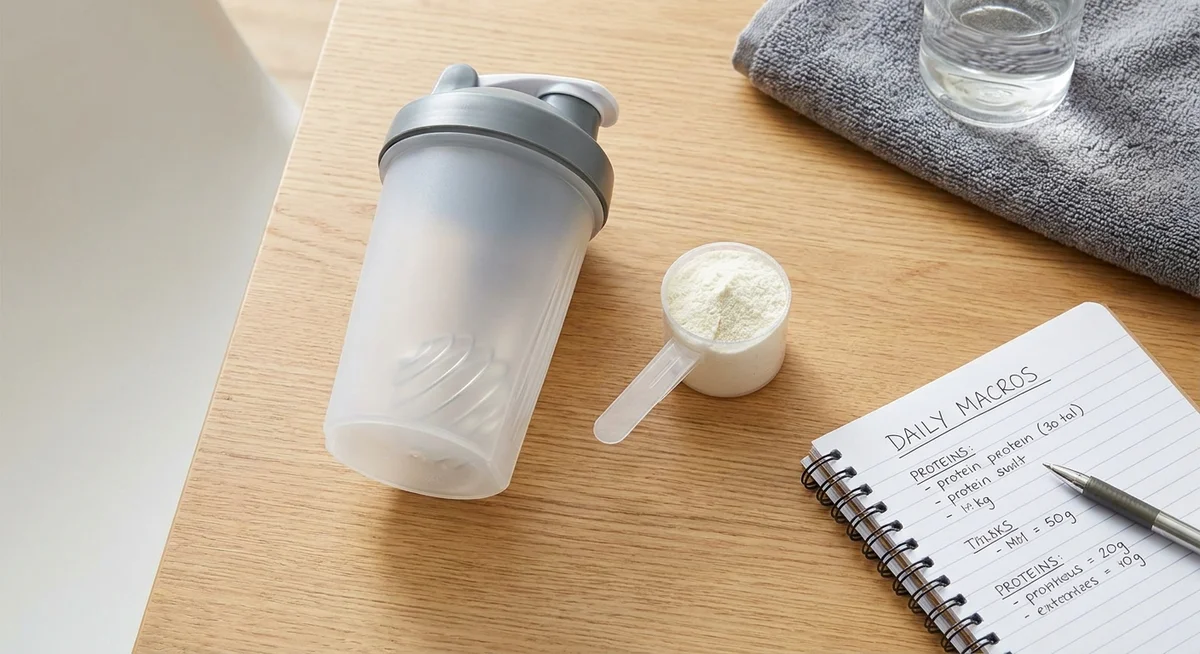
Digestion speed sits in the middle of the spectrum. Raw egg white digests slowly, but the spray-drying process breaks down the proteins so that powdered egg white absorbs at a moderate rate, somewhere between whey concentrate and casein. This makes it a reasonable choice at any point in the day, not just post-workout.
How do you compare egg white protein powders on the label?
The label tells you almost everything you need to know. Here is what to check before you buy.
| Label Factor | What to Look For | Red Flag |
|---|---|---|
| Protein per serve | 23 g or more per 30 g serve | Below 20 g suggests heavy fillers |
| Ingredient list | Egg white (albumen), natural flavour, minimal extras | Maltodextrin, corn syrup, or multiple gums near the top |
| Fat per serve | Under 1 g (egg whites are very low in fat) | Over 2 g suggests whole egg content, not pure whites |
| Carbohydrates | Under 2 g for an unflavoured product | Higher numbers in unflavoured = added fillers |
| Processing | Pasteurised, spray-dried | No processing information disclosed |
| Third-party testing | Informed Sport, NSF, or Labdoor certified | No independent testing or vague "quality assured" claims |
Who benefits most from egg white protein?
Egg white protein fits a few specific situations particularly well.
Good fit for
- People with lactose intolerance or a diagnosed dairy allergy
- Athletes rotating between multiple protein sources for dietary variety
- Anyone following a paleo-style diet who still wants a convenient powder
- Older adults who want a complete protein without the digestive heaviness some report with casein
- Bakers and cooks who want a protein that behaves well in recipes
Less ideal for
- People with an egg allergy (obvious, but worth stating)
- Those chasing the absolute highest leucine content per serve (whey isolate wins there)
- Vegans and vegetarians
- Budget-first buyers: egg white protein typically costs more per gram than whey concentrate
- Anyone who dislikes the slightly eggy aftertaste some unflavoured versions carry
How does egg white protein compare to plant-based alternatives?
For dairy-free shoppers, the usual alternative is a plant protein blend. Egg white protein holds a clear edge in amino acid completeness without needing the blending that most plant proteins require to compensate for limiting amino acids. A single-source pea protein, for instance, is low in methionine. Egg white protein needs no such workaround. That said, plant blends have improved considerably, and for vegans there is simply no choice to make. If you eat eggs, though, egg white protein tends to deliver a cleaner amino acid profile per dollar than many premium plant blends.
For a full breakdown of how protein types stack up against each other, the protein powder buying guide covers whey, casein, plant, and egg-based options side by side. If you are specifically weighing up dairy versus non-dairy options, the plant protein vs whey comparison is worth reading alongside this article.
How much should you take and when?
The guidance here is the same as for any complete protein source. Most people benefit from 20 to 40 g of protein per serve, with the exact number depending on body weight and daily targets. Because egg white protein digests at a moderate rate, it works well as a mid-morning shake, a between-meal top-up, or a post-workout serve. It is not the ideal slow-release option for bedtime use (casein suits that role better), but it handles the rest of the day comfortably.
If you are unsure how much protein you need in total, the guide to daily protein requirements gives clear numbers by body weight and training type. And if you want to understand how to read the label on any powder you are considering, the protein powder nutrition label guide walks through every line.
Frequently asked questions
Is egg white protein as effective as whey for building muscle?
Yes, for the vast majority of people. Both are complete proteins with high bioavailability. Whey isolate has a slightly higher leucine content per gram, which some research links to a modest short-term advantage in muscle protein synthesis. In practice, when total daily protein intake is adequate (1.6 to 2.2 g per kg of bodyweight), the difference between these sources is minimal for long-term muscle gain.
Does egg white protein powder taste eggy?
Unflavoured versions can have a mild sulphuric note, though well-processed products keep this very subtle. Vanilla, chocolate, and other flavoured versions typically mask it completely. If you plan to mix it into food or baking, the neutral flavour profile of a good unflavoured powder actually works in your favour.
Can you use egg white protein powder in cooking and baking?
Yes, and it performs better in many recipes than whey does. It blends into batters without making baked goods rubbery, and it adds structure to dishes like protein pancakes or egg-based muffins. Keep oven temperatures moderate (below 180°C) to avoid excessive protein denaturing that can make textures dry and chalky.
Is egg white protein safe for people with high cholesterol?
Egg whites contain no cholesterol (all the cholesterol in an egg is in the yolk). A pure egg white protein powder is essentially cholesterol-free, making it one of the safer complete animal protein sources for people managing cardiovascular risk factors. If you have concerns, confirm the product uses only whites and check the fat content per serve on the label.
Looking for a clean protein powder to compare? Read our in-depth guide to vanilla protein powder and what to check before you buy.