Protein Powder for Women: How to Build Muscle and Lose Fat at the Same Time
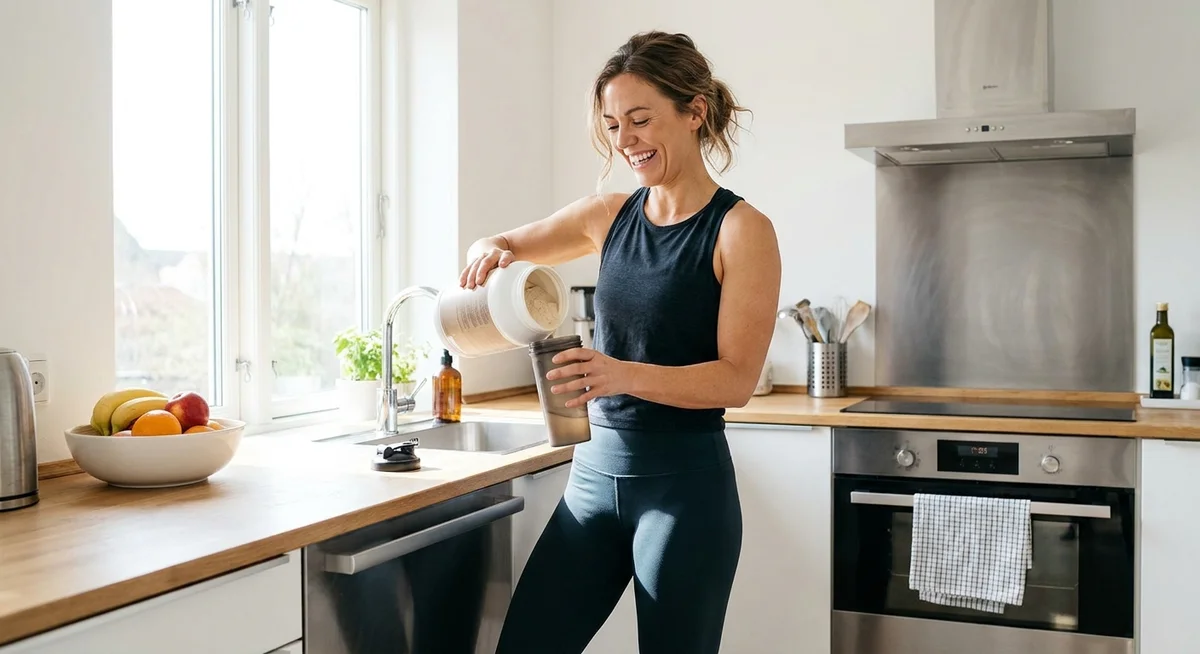
Body recomposition - building muscle and losing fat at the same time - is a real, achievable goal for women. Protein powder is not a magic shortcut, but it is one of the most practical tools for getting there. The right amount of protein keeps your muscles intact during a calorie deficit, supports new muscle growth when you train, and helps you stay full between meals. This guide covers what actually matters: how much protein women need, which types work best, and how to use them without overcomplicating it.
Key takeaways
- Women doing body recomposition typically need 1.6 to 2.2 g of protein per kg of bodyweight per day.
- Whey isolate digests fast and suits post-workout; casein digests slowly and suits evenings.
- Plant-based blends (pea + rice) work just as well as whey for muscle building when protein targets are met.
- "Women's protein powders" are a marketing category, not a nutritional one - check the label, not the packaging.
- Timing matters less than daily total protein. Focus on hitting your target across the whole day first.
How much protein do women actually need to build muscle?
Research consistently shows that women aiming to build muscle need between 1.6 and 2.2 grams of protein per kilogram of bodyweight per day. For a 65 kg woman, that works out to roughly 104 to 143 g of protein daily. Most women eating a typical diet land well below this range, which is where protein powder fills a genuine gap rather than just adding calories.
During a calorie deficit (which is necessary for fat loss), the upper end of that range - closer to 2.0 to 2.2 g/kg - becomes more important. Higher protein intake helps preserve lean muscle when you are eating less, which is the whole point of body recomposition. If you lose muscle alongside fat, your metabolism slows and results stall. Keeping protein high protects against that.
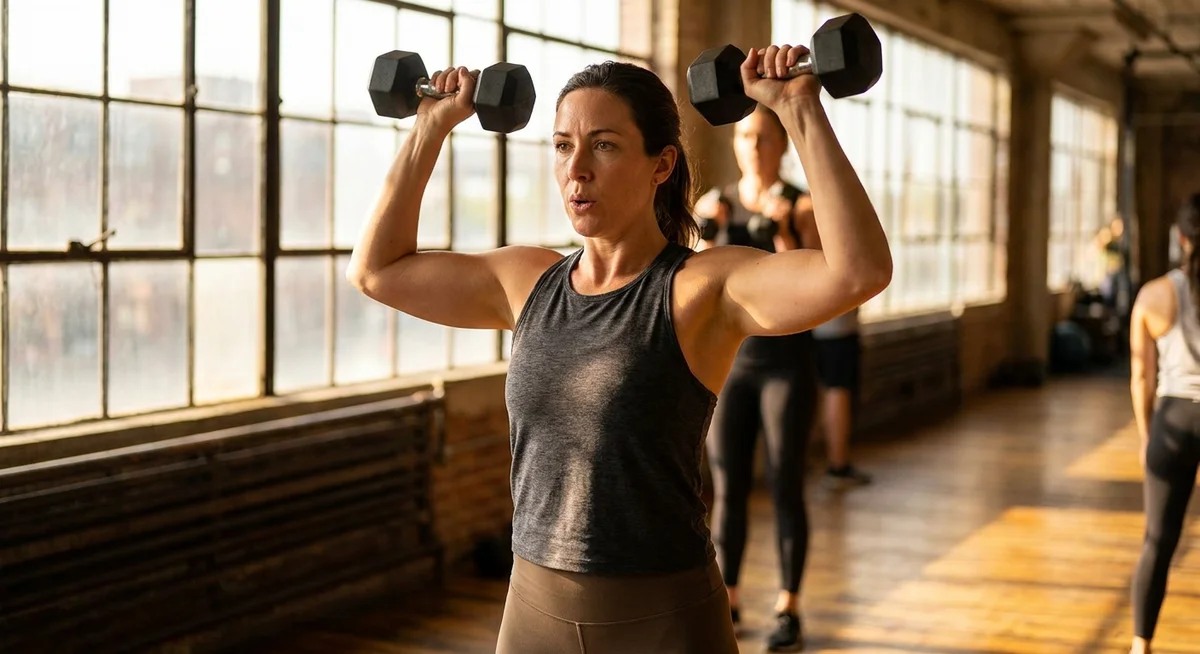
Which protein powder type is best for women doing body recomposition?
There is no single "best" - the right choice depends on how you use it. Here is how the main options compare on the things that matter most for body recomposition.
| Type | Protein per serve | Digestion speed | Best use | Suits lactose intolerance? |
|---|---|---|---|---|
| Whey isolate | 25-27 g | Fast (1-2 hrs) | Post-workout | Usually yes (very low lactose) |
| Whey concentrate | 20-24 g | Moderate | Any time of day | Sometimes (contains more lactose) |
| Casein | 22-25 g | Slow (5-7 hrs) | Before bed or long gaps between meals | No (dairy-based) |
| Pea + rice blend | 20-24 g | Moderate | Any time of day | Yes (fully plant-based) |
| Soy protein | 22-25 g | Moderate | Any time of day | Yes (fully plant-based) |
For most women, a quality whey protein isolate is the simplest starting point - it mixes easily, tastes neutral enough to add to food, and has a complete amino acid profile. If you are dairy-free or vegan, a pea and rice protein blend delivers the same results; the research comparing plant blends to whey for muscle growth is increasingly favorable when daily protein targets are met.
When should women take protein powder?
Timing has less impact than total daily intake, but there are a few practical windows worth knowing.
- Post-workout: Consuming 20 to 40 g of protein within 1 to 2 hours of training supports muscle protein synthesis. A fast-digesting whey isolate works well here.
- With breakfast: Many women eat a low-protein breakfast. Adding a scoop to oats, yogurt, or a smoothie is an easy fix that helps hit daily targets without a separate shake.
- Before bed: A slow-digesting casein shake before sleep has been shown to improve overnight muscle recovery in resistance-trained women. It is not essential, but it helps if you are struggling to hit your target by the end of the day.
- Between meals: If you go longer than 4 to 5 hours without food, a protein shake can blunt hunger and prevent a dip in muscle protein synthesis.
Read the full breakdown of when to take protein powder for best results to see the evidence behind each window in more detail.
What protein powder does well
- Fills the protein gap when whole food sources fall short
- Convenient post-workout nutrition with no cooking required
- High protein-to-calorie ratio, which helps during a deficit
- Supports satiety between meals
- Easy to add to meals without changing texture much
What protein powder does not do
- Burn fat on its own - a calorie deficit is still required
- Build muscle without resistance training
- Replace whole food nutrition entirely
- Produce faster results just because you take it twice a day instead of once
- Offset a consistently poor diet
How to use protein powder without gaining unwanted weight
This is the most common worry women raise, and it comes from a simple misunderstanding: protein powder is food, not a supplement in the pharmaceutical sense. Adding a shake on top of an already sufficient diet will add calories and can stall fat loss. The fix is equally simple: count the shake as part of your daily intake, not on top of it.
A standard serve of whey isolate contains roughly 110 to 130 calories and 25 to 27 g of protein. That is a very favorable ratio for anyone managing calories. Compare it to a chicken breast (roughly the same protein, more calories once you add cooking oil) or Greek yogurt (roughly half the protein per similar calorie count). Used as a replacement for lower-protein foods rather than an addition to them, protein powder typically helps - not hurts - fat loss progress.
For a detailed look at how protein interacts with calorie targets and which protein powders are best suited for weight loss, that guide covers the specific types and serving strategies in more depth.
Find the Best Protein Powders Available in AustraliaOur full comparison of top-rated options by type, price, and use case - updated regularly.Frequently asked questions
Will protein powder make women bulky?
No. Building large amounts of muscle requires years of progressive resistance training, a calorie surplus, and in many cases, favorable genetics or hormonal conditions. Women have significantly lower testosterone levels than men, which makes extreme muscle growth difficult regardless of protein intake. Protein powder supports lean muscle and recovery - it does not cause bulk on its own.
How many protein shakes a day should women have?
One or two shakes a day is practical for most women. The goal is to hit your daily protein target (1.6 to 2.2 g per kg of bodyweight) across all meals combined. If whole food covers most of that, one shake is enough. If your diet is lower in protein-dense foods, two smaller shakes spread across the day can help fill the gap without large single servings.
Is plant protein as effective as whey for women?
Yes, provided you hit total daily protein targets and choose a blend that covers the full amino acid spectrum. Pea protein alone is low in methionine; rice protein alone is low in lysine. A pea-and-rice blend, or a soy-based product, addresses both gaps and has been shown in multiple studies to produce comparable muscle gains to whey when dose is matched.
Do women need a different protein powder to men?
Physiologically, no. Protein requirements per kilogram of bodyweight are similar across sexes for the same training goals. Products marketed specifically to women often use smaller serving sizes, added vitamins, or collagen to differentiate themselves. Read the nutrition panel and compare protein per serve and cost per gram of protein - those two numbers tell you far more than the label's target audience.