Protein Powder for Weight Gain: How to Add Mass When You're Underweight

If you are underweight and have been told to eat more, you already know that advice is easier to give than to follow. Protein powder can help close the calorie and protein gap without forcing you to sit down to a fifth meal you don't want. Used correctly, it adds the raw material your body needs to build muscle and restore a healthy weight, in a form that is quick to prepare and easy to finish.
Key takeaways
- Being underweight means your body lacks both calories and protein, so you need both, not just one.
- A mass-gainer shake or a calorie-dense homemade blend will outperform a plain low-calorie protein shake for this goal.
- Whey, casein, and plant blends all work; the best choice depends on your digestion and food preferences.
- Protein powder is a supplement, not a meal replacement. It works best added on top of regular food, not instead of it.
- Resistance training alongside extra protein produces far better results than protein alone.
Why is gaining weight so hard for some people?
For a small portion of the population, putting on weight is genuinely difficult. A fast metabolism, poor appetite, early satiety, or a history of illness can all make it hard to eat enough. When you burn more than you take in, your body has no surplus to build tissue from. Protein powder addresses one part of that equation: it delivers concentrated nutrition in a small volume, which matters when eating a large plate of food feels impossible.
Being underweight is not just a cosmetic concern. Low body mass is linked to weakened immunity, poor bone density, fatigue, and slower recovery from illness or injury. The goal of a weight gain plan is not to add fat randomly; it is to build lean tissue (muscle) while bringing body weight into a healthy range. That distinction matters because it changes which supplements and which training approaches actually help.
Which type of protein powder is best for gaining weight?
Not all protein powders are equal for this goal. A standard whey isolate with 110 calories per serve was designed for people who want protein without extra calories. That is almost the opposite of what an underweight person needs.
| Protein type | Typical calories per serve | Best suited for | Watch out for |
|---|---|---|---|
| Mass gainer (whey + carbs) | 600–1,200 kcal | Serious calorie shortfalls, hard gainers | High sugar in cheaper products; check labels |
| Whey concentrate | 120–150 kcal | Building calorie-dense homemade shakes | May cause bloating if lactose-sensitive |
| Casein | 120–140 kcal | Slow overnight release, appetite support | Thicker texture, not everyone enjoys it |
| Pea + rice blend | 120–145 kcal | Vegan or dairy-free weight gain plans | May need more add-ins to hit calorie target |
The most flexible approach for most people is a whey concentrate or a plant blend, combined with calorie-dense mix-ins. This gives you control over ingredients and avoids the high-sugar formulas that dominate the commercial mass-gainer category. Check out the best protein powder options available in Australia to compare specific products across these categories.
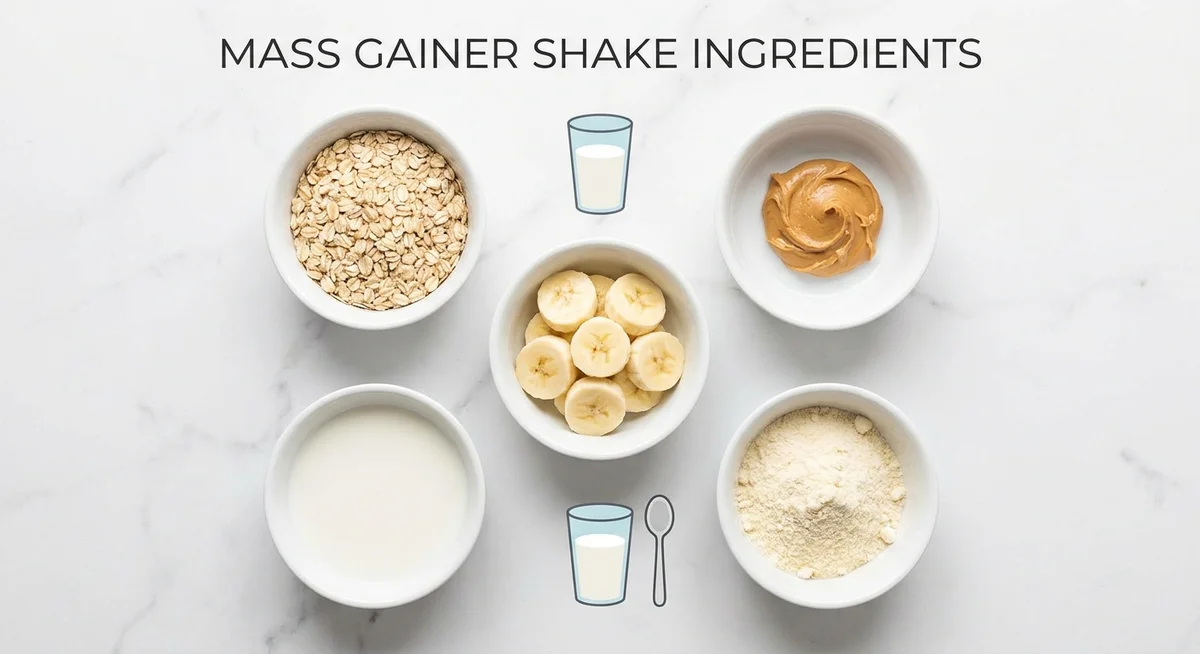
How to build a calorie-dense shake at home
A standard scoop of protein powder mixed in water gives you around 25 g of protein and 120 calories. That is useful, but it won't move the needle for someone who needs 500 extra calories a day. The fix is simple: swap the base and add whole-food ingredients.
The key principle is to keep protein as the anchor and build calories around it using fats and complex carbohydrates. Nut butters, avocado, full-cream dairy, oats, and frozen fruit all add calories without making the shake impossible to drink. Avoid making it so thick that it feels like a chore.
How much protein do underweight people actually need?
The general recommendation for muscle building sits at 1.6 to 2.2 g of protein per kilogram of bodyweight per day. If you weigh 55 kg and are trying to gain, aim for at least 90 g of protein spread across the day. Most people eating three regular meals land somewhere between 60 and 80 g without trying, so a single protein shake can fill the rest of the gap without a dramatic overhaul of your diet.
For a broader breakdown of protein targets by goal and bodyweight, the guide to daily protein requirements covers the numbers in detail.
Does timing matter for weight gain?
Timing is less critical than total daily intake, but a few habits consistently help. Drinking a calorie-dense shake in the morning, when appetite is often lower, front-loads calories before you run out of hunger later in the day. A second serve before bed, particularly a casein-based shake, provides a slow trickle of amino acids overnight when your body is in its primary repair window.
The research on protein timing shows that spreading intake across three to four serves per day tends to produce better muscle protein synthesis than concentrating it in one or two large doses. For weight gain, this also means you're keeping the calorie stream consistent rather than relying on one enormous meal.
What else should you do alongside protein powder?
Protein powder without resistance training will add some weight, but a significant portion of it may be fat rather than muscle. Even two sessions of bodyweight or light barbell training per week sends the signal for your body to build new tissue rather than simply store the extra calories. If training feels overwhelming, starting with basic compound movements (squats, rows, push-ups) is enough to shift the outcome.
If your low weight is connected to a medical condition, digestive issue, or history of disordered eating, speak with a dietitian or GP before starting a supplementation plan. Protein powders are safe for most healthy adults, but the underlying cause of being underweight matters for choosing the right approach.
Frequently asked questions
Can protein powder alone make me gain weight?
Only if it pushes your total daily calorie intake above your maintenance level. A plain 120-calorie shake added to an otherwise unchanged diet will do very little. You need to be in a consistent calorie surplus, which usually means adding at least 300 to 500 extra calories per day on top of what you currently eat. Protein powder is a convenient tool for hitting that target, not a magic fix on its own.
Are mass gainer powders worth buying?
They can be, especially if you genuinely struggle to eat enough food and find it easier to drink calories. However, many cheaper products use maltodextrin (a fast-digesting sugar) as the bulk of their carbohydrate content. Look for products with oat flour or whole-grain carbohydrate sources, a protein-to-carb ratio that makes sense for your goal, and minimal artificial sweeteners. Building your own shake with a quality whey concentrate is often cheaper and cleaner.
How long before I see results?
With a consistent calorie surplus and regular resistance training, most people see measurable weight gain within four to six weeks. Muscle takes longer to become visible, typically eight to twelve weeks of consistent training. Body weight on the scale will move faster than your physique changes, so track both to stay motivated and ensure the weight you're adding is going in the right direction.
Is it possible to gain weight on a vegan diet using protein powder?
Yes. A pea and rice blend provides a complete amino acid profile comparable to whey, and plant-based foods like oats, nuts, seeds, coconut milk, and avocado are calorie-dense additions for homemade shakes. The approach is identical to a dairy-based plan; you just swap the protein source and adjust the shake base. See the full breakdown in the guide to vegan protein powder for product recommendations and amino acid profiles.
Find the right protein powder for your weight gain goalCompare top-rated Australian options across whey, plant, and mass-gainer categories.