Protein Powder for Triathletes: How to Fuel Three Disciplines and Recover Faster
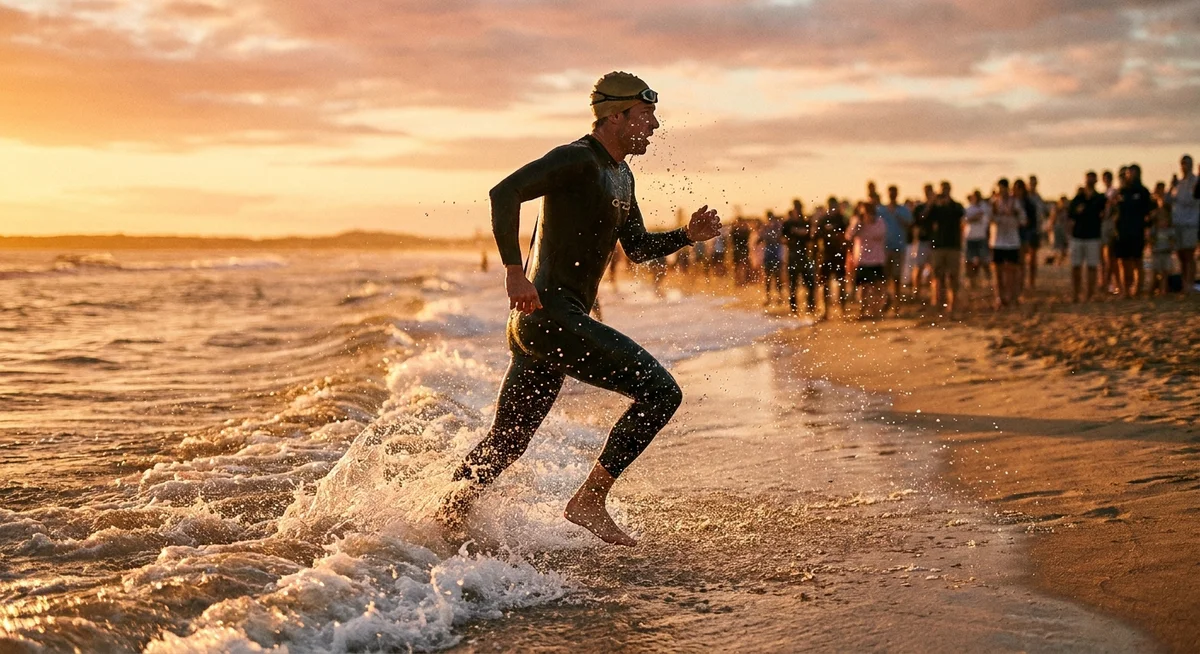
Triathletes ask more of their bodies than almost any other endurance athlete. On any given week you are logging kilometres in the pool, on the bike, and on the road simultaneously. That training load accelerates muscle breakdown and lifts your daily protein requirement well above what most general sports nutrition advice recommends. Getting that protein from whole food alone is genuinely hard when you are training twice a day. The right protein powder fills the gap without loading your gut before a key session.
Key takeaways
- Triathletes need roughly 1.6 to 2.2 g of protein per kilogram of body weight daily, more than standard endurance athlete guidelines suggest.
- Whey isolate is the fastest-absorbing option and works best directly after training, especially after bricks.
- Casein or a blend suits the long overnight recovery window between double-day sessions.
- Plant-based athletes should combine sources (pea plus rice) to cover the full amino acid profile.
- Timing matters most around your hardest sessions, not every shake throughout the day.
Why do triathletes need more protein than typical endurance athletes?
Endurance training alone raises protein needs because the body oxidises some amino acids for fuel when glycogen runs low. Add resistance-style adaptation from swim stroke and bike climbing, and you are also signalling muscle protein synthesis in multiple movement patterns at once. Research from the British Journal of Sports Medicine puts the optimal intake for endurance athletes in hard training blocks at 1.8 to 2.2 g per kilogram of body weight. For a 70 kg triathlete that is 126 to 154 g of protein per day, which is difficult to hit consistently from food alone around a full training schedule.
Protein powder is a practical tool here, not a shortcut. A 25 to 30 g shake after a brick session costs you almost nothing in prep time and gets amino acids into circulation at the exact window when muscle tissue is primed to absorb them.

Which protein type suits triathlon training best?
There is no single right answer, but the decision comes down to three factors: when you are taking it, how your gut handles it, and whether you eat animal products.
| Protein Type | Best Timing | Digestion Speed | Best For |
|---|---|---|---|
| Whey Isolate | Immediately post-training | Fast (1-2 hours) | After bricks, swims, runs |
| Whey Concentrate | Post-training or between meals | Moderate | Budget-friendly daily use |
| Casein | Before bed | Slow (6-8 hours) | Overnight recovery in heavy training blocks |
| Pea + Rice Blend | Post-training or any time | Moderate | Plant-based athletes |
| Multi-source blend | Between meals or post-training | Moderate to slow | Covering multiple windows without multiple products |
If you are lactose sensitive, whey isolate is low in lactose because the filtration process removes most of it. If dairy causes you consistent gut issues, a pea protein formula is a strong alternative that will not compromise your GI tract on race morning.
How should triathletes time protein around their training?
The 30-minute post-workout window is real but often overstated. What matters more for triathletes is total daily intake and consistency across the day. That said, the post-training window is the highest-leverage moment: muscle protein synthesis peaks in the two hours after a hard session, and delivering 25 to 40 g of fast-digesting protein in that window measurably accelerates repair compared to waiting several hours.
For double-day training (morning swim, afternoon run), aim to have your post-swim shake before noon so tissue has time to partially repair before the afternoon load. A casein or blended shake before bed then covers the overnight window when most structural muscle repair happens.
What should you look for on the label?
Triathlon is a sport governed by anti-doping rules at the elite level, and even amateur athletes benefit from choosing powders tested by an independent third party. Look for a Informed Sport or Informed Choice certification on the packaging. This confirms the batch was tested for over 200 banned substances before it left the factory.
Beyond certification, check:
- Protein per serving: aim for 24 to 30 g per serve from a quality source, not a blend padded with cheaper ingredients listed near the top.
- Leucine content: leucine is the amino acid most responsible for triggering muscle protein synthesis. Whey is naturally high; plant blends should ideally list their BCAA breakdown.
- Added sugars: some endurance-marketed powders add significant carbohydrate. That can be useful in a recovery shake but watch it on rest days when you do not need the extra calories.
- Digestive enzymes: some whey formulas include lactase or bromelain, which help athletes who find plain whey heavy on the stomach after long sessions.
Our complete protein powder buying guide walks through every label claim worth knowing and the ones you can safely ignore.
How much protein do you actually need per day?
Use this as a practical starting point:
- Base training (low volume weeks): 1.6 g per kg of body weight
- Build and peak blocks (high volume, double days): 2.0 to 2.2 g per kg
- Injury recovery: 2.0 to 2.4 g per kg (protein supports tissue repair even when training volume drops)
If you train for Olympic or Ironman distance events, your build and peak phases can run for 12 to 20 weeks. Consistently hitting the higher range during those blocks pays off in reduced muscle soreness, faster adaptation, and better energy going into key sessions. For more on how protein supports healing if you pick up a training niggle, see our article on protein powder for injury recovery.
Frequently asked questions
Can I take protein powder before a swim?
Yes, but keep it light and give yourself at least 60 to 90 minutes between a shake and getting in the water. A small 15 to 20 g serving is less likely to cause discomfort than a full 30 g dose. Avoid powders with high fat content (like casein blended with milk) pre-swim as fat slows gastric emptying and can cause nausea during flip turns or open-water effort.
Do I need a protein shake on rest days?
Yes. Muscle repair does not stop on rest days. You still need to hit your daily protein target, but the timing is less critical. Whole food is perfectly adequate on rest days; a shake is useful only if your food intake is low.
Is whey isolate or concentrate better for triathletes?
Isolate has a higher protein percentage per gram, less lactose, and absorbs faster, making it the better post-training choice. Concentrate costs less and is fine between meals or on recovery days. If budget allows, isolate for post-session and concentrate for general use is a sensible split.
Should I use a protein powder with added carbohydrates for triathlon?
A 3:1 or 4:1 carb-to-protein ratio can accelerate glycogen resynthesis after long sessions (over 90 minutes) when getting back on the bike or running the following morning. Look for these specifically marketed as recovery formulas. For shorter sessions or rest days, plain protein powder without added carbs is sufficient and avoids unnecessary calories.
Compare Vanilla Protein Powder OptionsSee how leading vanilla formulas stack up on protein content, ingredients, and value per serve.