Protein Powder for Teenagers: What Parents and Young Athletes Need to Know
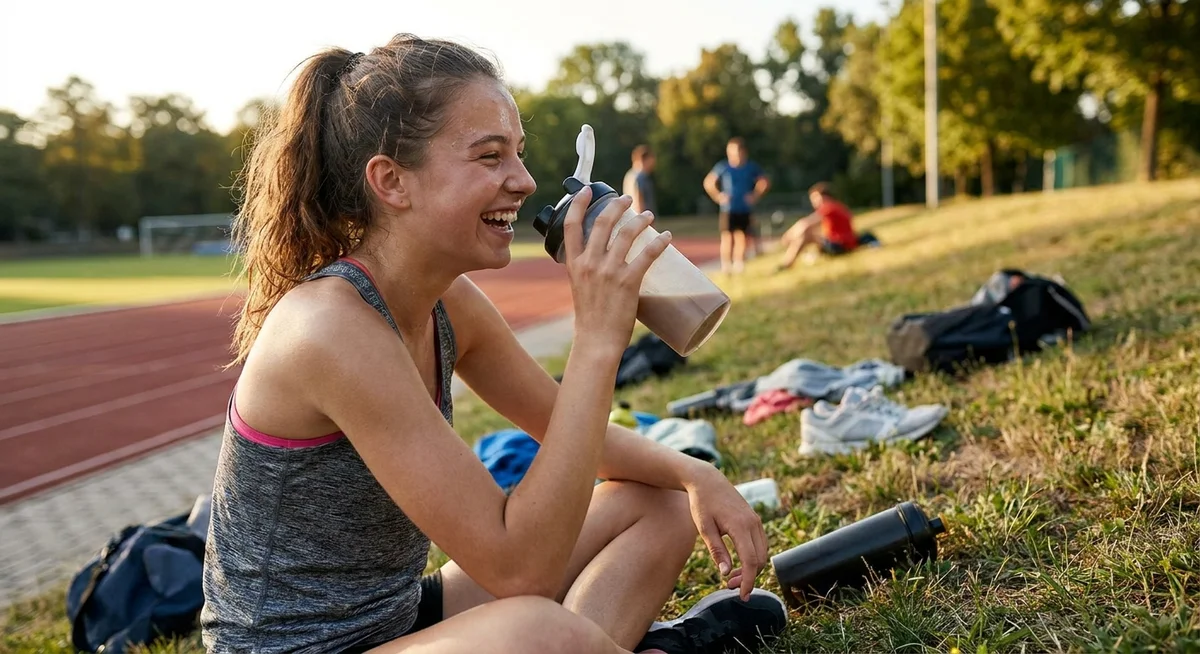
Protein powder is one of the most common supplements teenagers ask about, and one of the least straightforward to answer. Growing bodies have different protein needs than adults, most teenagers already eat enough protein, and the supplement market is not designed with 15-year-olds in mind. Here is what parents and young athletes need to know before buying anything.
Key takeaways
- Most teenagers get enough protein from food and do not need a supplement.
- Young athletes training hard more than once a day are the exception where a supplement can genuinely help.
- Daily protein targets for teens are lower than the amounts marketed to adult bodybuilders.
- Whole food sources should always come first; powder fills gaps, not the whole diet.
- Parents should check labels carefully: many adult products contain stimulants, creatine, or banned substances not appropriate for teenagers.
Do teenagers actually need more protein than adults?
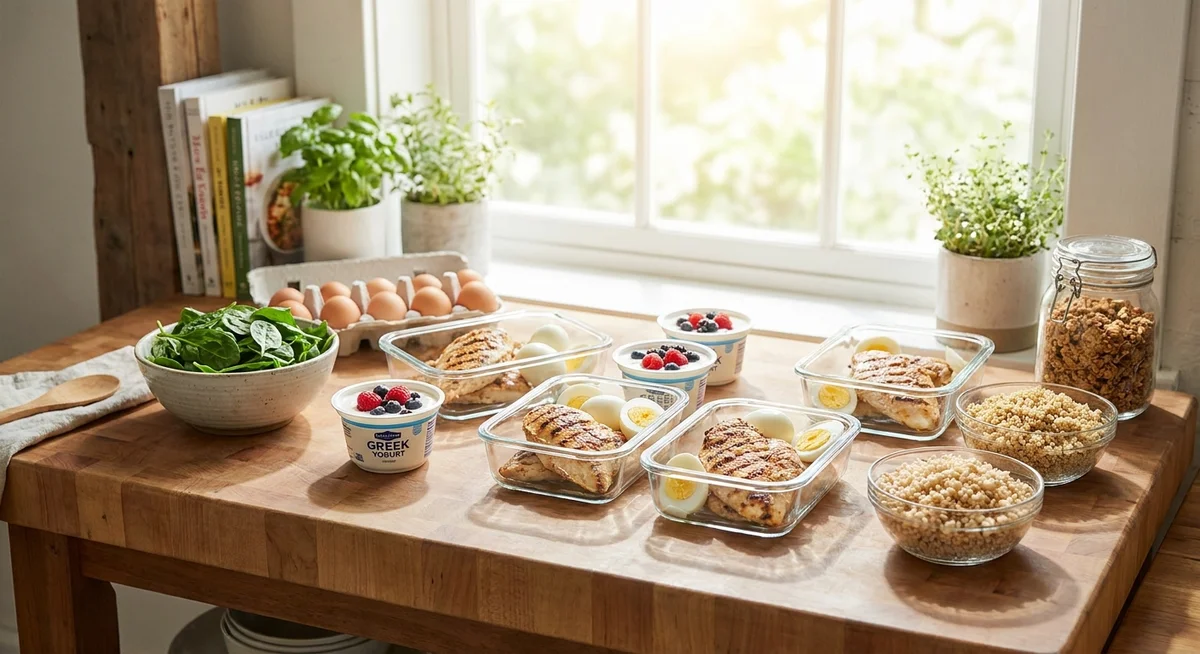
Yes, but not by as much as many people assume. The Australian Dietary Guidelines recommend roughly 0.85 g of protein per kilogram of body weight per day for adolescents aged 14 to 18. A 65 kg teenager therefore needs about 55 g of protein daily, which is easily met by two eggs at breakfast, a chicken sandwich at lunch, and a normal dinner. The average Australian teenager already hits this target through food alone.
Where things shift is for young athletes in heavy training. Sport science research consistently shows that teenagers doing strength training, team sport twice a day, or competitive swimming benefit from slightly higher intakes, somewhere between 1.2 g and 1.6 g per kilogram of body weight. A 65 kg teenage swimmer training twice daily could be targeting 80 to 105 g of protein, which is harder to reach through three standard meals. That is the realistic scenario where protein powder earns its place in a teenager's routine.
What are the risks of protein powder for teenagers?
Pure protein powder (whey, pea, egg white) used in normal servings is considered safe for healthy teenagers. The concern is not the protein itself; it is what else is often in the tub.
What to watch for
- Stimulants (caffeine, guarana) in "performance" or "pre-workout" blends
- Creatine, which has no established dosing data for under-18s
- High sugar or artificial sweetener loads in mass gainer products
- Inadequate third-party testing: contamination is a real issue in adult sport supplements
- Excessive single-serve protein doses (50+ g) that the kidneys of a teenager do not need
What makes a safer choice
- Single-ingredient protein powders with a short, readable label
- Third-party tested products (Informed Sport or similar certification)
- Moderate serve sizes, typically 20 to 25 g of protein per scoop
- No proprietary "blends" that hide individual ingredient quantities
- Products free from stimulants, hormonal compounds, and banned substances
How much protein powder should a teenager take per day?
A single serve of 20 to 25 g of protein once per day is a reasonable ceiling for most teenage athletes. It should sit on top of a solid whole-food diet, not replace meals. A post-training shake is the most logical moment: muscle protein synthesis is elevated after exercise, and a teenager who has just finished a two-hour rugby session may not want to sit down to a full meal immediately.
Mass gainers and high-calorie products are almost never appropriate for teenagers who are still growing. The body handles the caloric load differently when natural growth hormones are already running at full capacity, and excess calories will store as fat just as readily in a 16-year-old as in a 36-year-old. Understanding how much protein you actually need per day is a good starting point before buying anything.
Which type of protein powder is best for teenagers?
Plain whey protein concentrate or whey isolate is the most researched option and works well for teenagers who consume dairy. Those with lactose sensitivity, or who follow a plant-based diet, can use pea protein or a blended plant protein effectively. The type matters far less than the overall quality, the total daily protein intake, and the food diet it sits within.
If you want a detailed breakdown of the differences between whey types, the whey isolate vs concentrate comparison covers the practical differences. For teenagers on plant-based diets, the protein powder for vegans guide walks through the best plant sources and how to combine them for a complete amino acid profile.
| Protein Type | Best For | Watch Out For |
|---|---|---|
| Whey Concentrate | Most teenagers, good value, well-tolerated | Contains lactose; not ideal for dairy-sensitive teens |
| Whey Isolate | Lactose-sensitive teens who still eat dairy | Higher cost; check label for additives |
| Pea Protein | Plant-based diets, vegan teenagers | Lower in methionine; pair with other plant proteins |
| Blended Plant Protein | Vegans wanting a complete amino acid profile | More ingredients to check; avoid stimulant-added blends |
| Mass Gainers | Very few teenagers (extreme caloric deficit) | High sugar, often excessive calorie load, poor value |
What should parents ask before buying a protein powder for their teenager?
The single best question is: does this product have third-party testing certification? Supplements are not regulated like food or medicine in Australia, which means label accuracy and contamination are genuine concerns. Products certified through Informed Sport or a similar body are tested for a wide range of banned substances and are far safer choices for young athletes who may face drug testing in competitive sport.
Beyond certification, check the ingredients list for caffeine, creatine, DHEA, or any "hormone support" language. These have no place in a product being used by a growing teenager. A plain, short ingredient list is a good sign. A long list of proprietary blends and performance compounds is a reason to put the tub back on the shelf.
It is also worth checking how the teenager is planning to use it. If the answer is "instead of breakfast", protein powder is not the solution. If the answer is "after training when I'm not hungry but I know I need protein", that is a reasonable and practical use case.
Frequently asked questions
Is protein powder safe for a 14-year-old?
Plain protein powder without stimulants, creatine, or proprietary compounds is generally considered safe for healthy teenagers 14 and over when used in appropriate amounts (one serve per day). The bigger question is whether they actually need it: most 14-year-olds eating a balanced diet already meet their daily protein requirements through food alone. A doctor or sports dietitian can confirm what's right for an individual.
Can protein powder stunt a teenager's growth?
No evidence supports the idea that protein powder stunts growth. Protein is essential for growth. The concern would be specific to products containing hormonal compounds or anabolic substances, which should be avoided entirely. A clean, tested whey or plant protein product has no mechanism to affect height or bone development.
How much protein does a teenage athlete need per day?
Most sport nutrition guidelines suggest 1.2 to 1.6 g of protein per kilogram of body weight for adolescents in regular training. A 60 kg teenage athlete would aim for 72 to 96 g per day. This is achievable through food for most teens, though those training twice daily or in endurance sports may benefit from a small supplement to close the gap.
Should teenagers take protein powder before or after training?
Post-training is the most practical and evidence-backed timing for teenagers. After exercise, muscle protein synthesis is elevated, appetite is often low, and a shake is quick and portable. Pre-training protein is less important for teenagers than it is for adult athletes trying to maximise hypertrophy. A normal meal two to three hours before training is sufficient. For more on timing, see when to take protein powder for best results.
Find the best protein powder in AustraliaOur full guide covers top-tested options across every category, with clear picks for different goals and budgets.