Protein Powder for Swimmers: How to Fuel Training and Recovery in the Pool
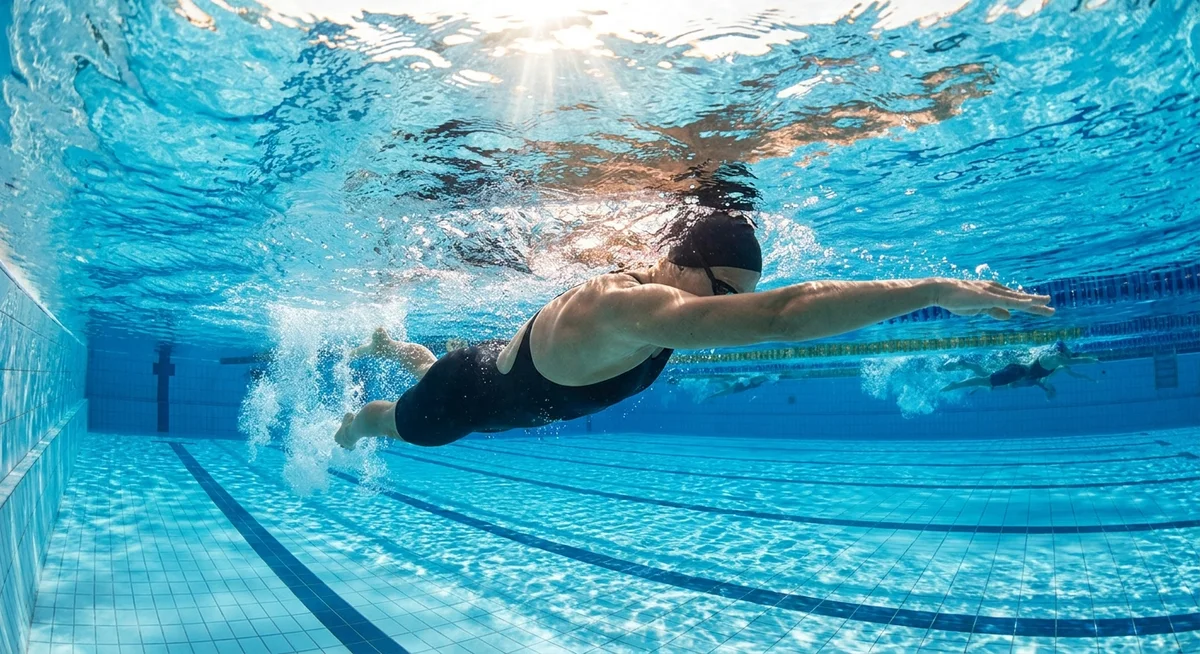
Swimmers are among the highest-energy-expenditure athletes on the planet, yet protein is rarely the first thing discussed at the pool deck. A hard one-hour session can burn 600 to 900 calories, and chlorine exposure, repetitive overhead loading, and high training volumes all drive muscle protein breakdown. Getting enough protein — and timing it well — makes a measurable difference to how quickly you recover and how much strength you carry into the next session.
Key takeaways
- Swimmers need 1.6 to 2.0 g of protein per kg of bodyweight daily, higher during double-session periods.
- The post-swim window (within 45 minutes of finishing) is the most important time to consume protein.
- Whey isolate digests fast enough to use immediately after training; casein suits the overnight recovery window.
- Stomach sensitivity is common with swimmers — pick a formula low in lactose and artificial sweeteners.
- Vanilla-flavoured powders blend cleanly into smoothies and recovery drinks without overpowering other ingredients.
How much protein do swimmers actually need?
Most general protein guidelines target sedentary adults at around 0.8 g per kg of bodyweight. Competitive swimmers sit well above that range. Current sports nutrition consensus places endurance and aquatic athletes at 1.6 to 2.0 g per kg, with the higher end applying during intensified blocks, altitude camps, or twice-daily training. A 70 kg swimmer doing two sessions per day should be targeting 112 to 140 g of protein across the day — a figure that is genuinely difficult to hit from whole food alone when appetite is suppressed after hard efforts.
If you want a solid starting point for calculating your individual number, our guide on how much protein you need per day walks through the calculation step by step.
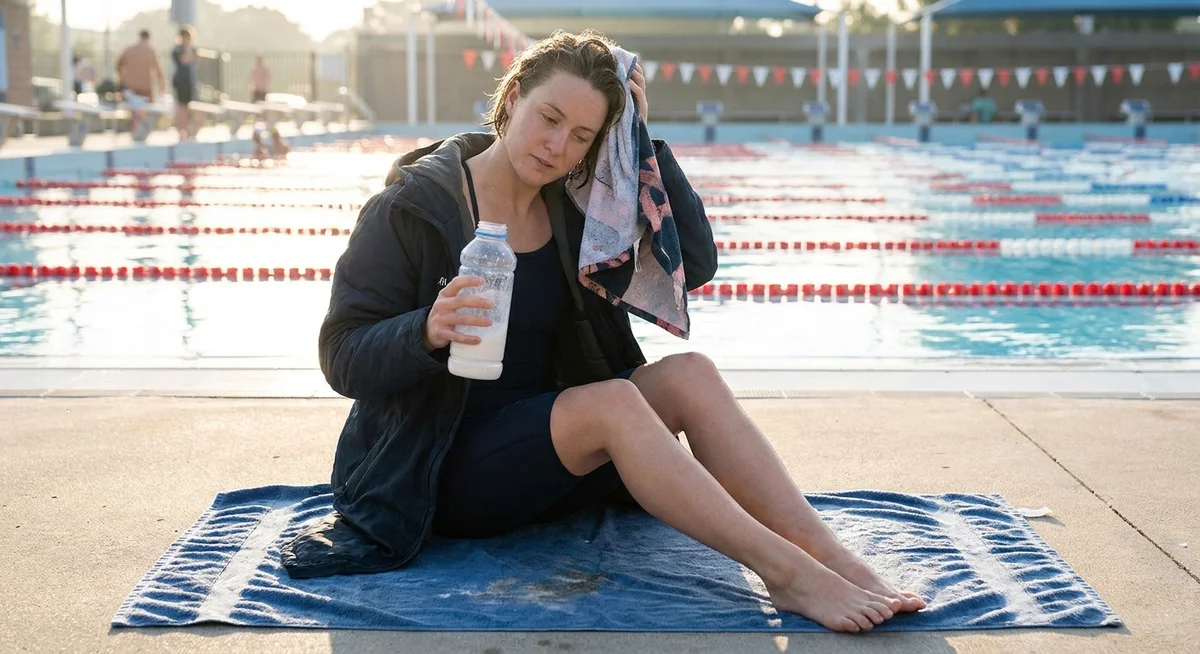
Which type of protein powder works best for swimming?
Not every protein powder suits the post-swim context. Swimmers often climb out of the water with a churning stomach, and a heavy, slow-digesting shake can make that worse. The table below compares the most common options.
| Type | Digestion speed | Lactose | Best use for swimmers |
|---|---|---|---|
| Whey Isolate | Fast (1-2 hrs) | Very low | Immediate post-session recovery |
| Whey Concentrate | Moderate (2-3 hrs) | Moderate | Post-session if no GI sensitivity |
| Casein | Slow (5-7 hrs) | Low | Pre-bed dose to support overnight repair |
| Pea / Rice Blend | Moderate | None | Lactose-intolerant swimmers, vegan athletes |
| Egg White | Moderate-fast | None | Dairy-free option with complete amino acid profile |
For most pool-based athletes, whey isolate is the default choice for post-training use. It absorbs quickly, sits lightly on a stressed stomach, and contains a high concentration of leucine — the amino acid that triggers muscle protein synthesis most directly. If you train twice a day, pair a whey isolate shake after your morning session with a casein shake before bed to keep muscle repair running through the night.
Our full protein powder buying guide covers how to compare formulas side by side, including what to look for on the label beyond just the protein number.
When should swimmers take protein powder?
Timing matters more for high-volume athletes than it does for recreational gym-goers. Chlorine exposure and mechanical stress from thousands of strokes per session create a meaningful breakdown signal. The faster you can deliver amino acids after finishing, the sooner repair begins.
Here is a simple daily framework for a swimmer training twice per day:
- Morning (post-AM session): 25-30 g whey isolate within 30 minutes
- Lunch: Whole food protein from chicken, fish, eggs, or legumes
- Afternoon (post-PM session): 25-30 g whey isolate or a protein-rich snack
- Dinner: Whole food protein, balanced with carbohydrates for glycogen reloading
- Pre-bed: 30-40 g casein to sustain overnight muscle protein synthesis
Do swimmers need to worry about bloating or GI issues?
Yes, more than most athletes. Swimming in the prone position stresses the lower oesophagus, and high chlorine environments can irritate the gut lining over time. Choose a powder that avoids the ingredients most likely to cause problems:
Lower risk ingredients
- Whey isolate (low lactose)
- Natural sweeteners like stevia or monk fruit
- Short ingredient lists
- No added gums (xanthan, guar) if sensitive
Higher risk ingredients
- Whey concentrate with lactose if you're intolerant
- Sugar alcohols (sorbitol, maltitol) in high doses
- Artificial sweetener blends (acesulfame K, sucralose)
- High-fibre blends taken immediately post-workout
If you are switching to a new product, introduce it at half the recommended serve for the first week. This gives your gut time to adapt without disrupting training.
Flavour and mixability: practical considerations for pool athletes
Swimmers often prefer a lighter flavour profile after training — a shake that tastes like dessert can turn the stomach when you are already warm and fatigued. A clean vanilla protein powder hits this well: mild enough to drink straight, but versatile enough to blend with banana, oats, or frozen fruit into a more substantial recovery smoothie when appetite allows. Avoid powders with an intensely sweet or artificial aftertaste; they become unpleasant fast when you are drinking them four or five times a week.
Frequently asked questions
Can I take protein powder before swimming?
Yes, but keep it small and allow at least 60 to 90 minutes before you get in the water. A 15-20 g dose in water digests quickly enough for most people. Avoid blending protein with high-fat ingredients (nut butter, full-fat milk) before a session — fat slows gastric emptying and increases the chance of cramping or nausea during effort.
Does protein powder help with the muscle soreness swimmers get in their shoulders?
Adequate protein reduces delayed onset muscle soreness (DOMS) by accelerating muscle repair, but it is not a direct pain reliever. Consistent intake at the 1.6-2.0 g per kg range, combined with proper warm-down and sleep, shortens the recovery window and makes subsequent sessions feel less punishing on the shoulder girdle.
Is whey protein safe for young competitive swimmers?
For teenagers who are already eating well and training seriously, a straightforward whey isolate with a short ingredient list is generally safe. The focus should be on meeting daily protein targets first; powders fill gaps, not replace meals. Our article on protein powder for teenagers covers the specific considerations for young athletes in more detail.
How many serves per day is reasonable for a swimmer?
One to two serves per day covers the gap for most swimmers who eat a balanced diet. Three or more serves per day usually means whole food intake is too low. Use shakes to supplement real meals, not to replace them. If you consistently need three or more serves to hit your targets, the more sustainable fix is increasing protein-dense foods across your main meals.
Find the right protein powder for your training Our buying guide compares every major type so you can choose with confidence.