Protein Powder for Teenagers: What Parents and Young Athletes Need to Know
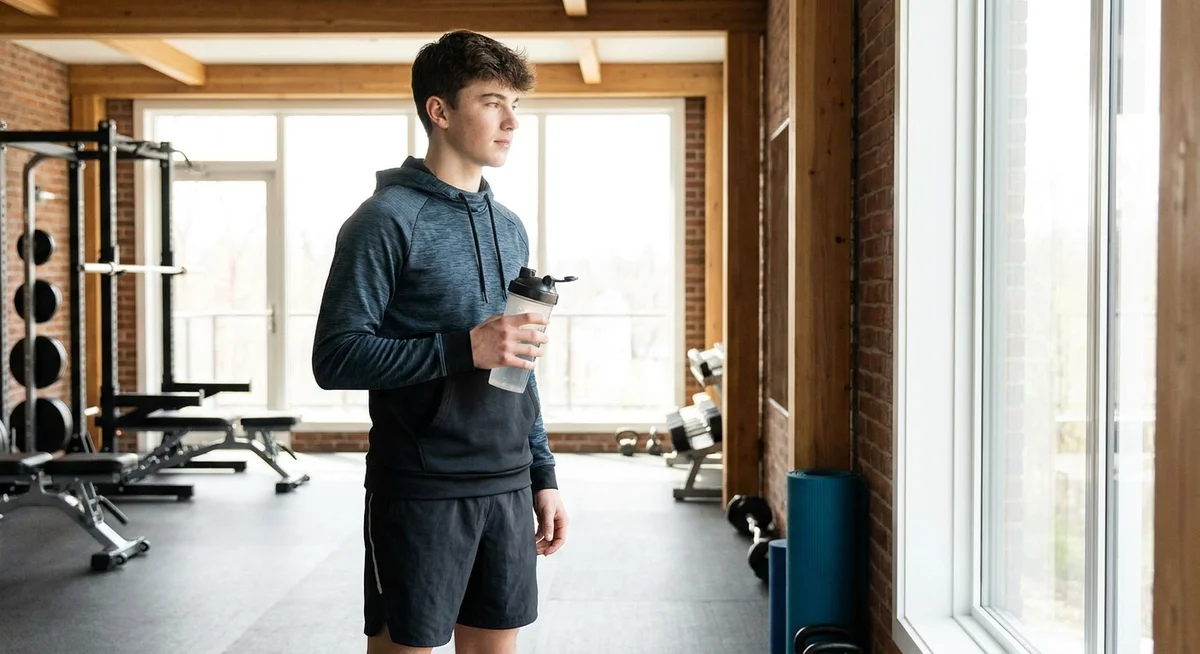
Protein powder is no longer just for bodybuilders. Teenagers who play competitive sport, lift weights, or simply struggle to eat enough protein from whole foods often ask whether a supplement makes sense. The short answer: for most active teens, it can be appropriate — but the type, dose, and timing matter more than most labels suggest.
Key takeaways
- Active teenagers need 1.2 to 1.7 g of protein per kg of bodyweight per day — more than the standard dietary recommendation.
- Protein powder is a food supplement, not a drug, and is generally safe for healthy teens when used to fill genuine gaps.
- Whole foods should always come first. Powder fills the gap when food alone falls short.
- Avoid products loaded with stimulants, creatine, or proprietary blends not designed for adolescents.
- A clean, single-ingredient whey or plant protein with a short ingredient list is the safest starting point.
How much protein do teenagers actually need?
The Australian Nutrient Reference Values set the recommended dietary intake for adolescent boys at around 65 g of protein per day and for adolescent girls at around 45 g. But these figures apply to average sedentary teens. Young athletes training four or more times per week have considerably higher requirements.
Sports dietitians typically recommend 1.2 to 1.7 g of protein per kg of bodyweight for adolescent athletes, which is consistent with adult sports nutrition guidelines. For a 60 kg teenage footballer, that translates to between 72 g and 102 g of protein daily — an amount that requires deliberate planning at every meal.
If a teen skips breakfast, eats a light school lunch, and trains after school, it is entirely possible to finish the day with a 30-40 g protein shortfall. That is where a well-chosen supplement earns its place.
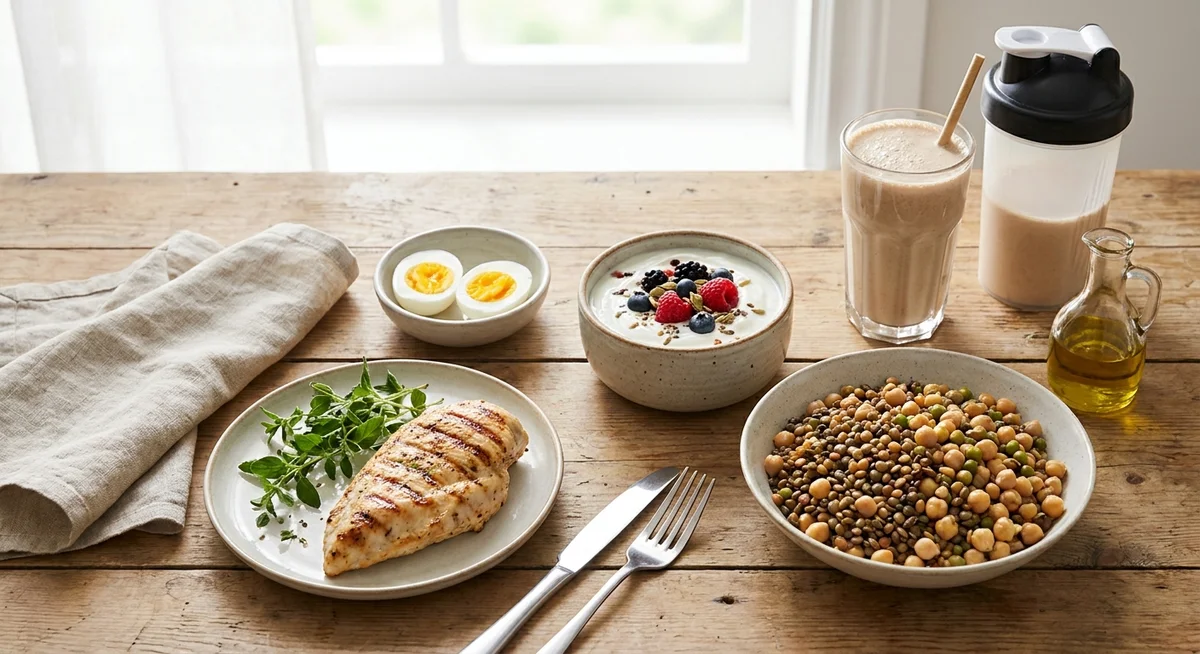
Is protein powder safe for teenagers?
Protein powder is not a controlled substance or a pharmaceutical. At its core, a quality product is simply concentrated food protein — the same protein that exists in milk, eggs, or legumes. For healthy teenagers without kidney disease or other metabolic conditions, consuming additional dietary protein through a supplement carries no established risk when intake stays within sensible ranges.
The concern parents and coaches most often raise is about artificial hormones. Standard whey, casein, pea, and rice protein powders do not contain added hormones. The caution worth taking seriously is around products that combine protein with performance additives: creatine, beta-alanine, caffeine, or weight-gain compounds. These multi-ingredient products are rarely tested on adolescent populations, and some stimulant-containing pre-workout or mass-gainer blends carry real risks for teenagers. Stick to plain protein, not stacks.
Whey vs plant protein: which is better for a teenager?
Both work. The best choice comes down to diet, digestion, and personal preference.
| Protein type | Best for | Leucine content | Digestibility | Worth noting |
|---|---|---|---|---|
| Whey isolate | Most active teens | High (~11%) | Excellent | Low lactose; fast absorbing |
| Whey concentrate | Budget-conscious families | High (~10%) | Good | Higher lactose; may cause bloating in some |
| Pea protein | Vegetarian or dairy-free teens | Moderate (~8%) | Good | Pairs well with rice protein for a complete amino acid profile |
| Blended plant protein | Vegan teens | Moderate | Good | Look for pea + rice or pea + hemp combinations |
Whey isolate has the edge for muscle protein synthesis thanks to its high leucine content and rapid digestion. But a quality plant blend is a completely valid choice, particularly for teens who are dairy-intolerant or following a plant-based diet. If you want to compare these options in more depth, the plant protein vs whey breakdown covers the key differences clearly.
How to use protein powder practically as a teenager
Timing is less critical than hitting total daily protein across all meals. That said, having a protein shake within 30-60 minutes of training is a convenient and effective habit — it requires no cooking and fits easily into a sports bag.
Practical uses for teenagers:
- Post-training shake: 20-25 g of whey or plant protein mixed with water or milk immediately after training.
- Breakfast booster: Add a scoop to oats, a smoothie, or Greek yogurt when time is short before school.
- After-school snack: A shake between school and training can prevent energy crashes and keep muscle protein synthesis ticking.
The target dose for most teenagers is 20-25 g of protein per serving. There is no benefit to taking 40+ g in one sitting — the body can only use so much protein at once for muscle building, and excess simply gets oxidised for energy or excreted. For a full picture of how to hit daily targets without overcomplicating it, the guide on how much protein you actually need per day is worth reading alongside this one.
What to look for on the label
Teenagers (and parents buying for them) should apply the same label-reading skills that apply to any supplement purchase. A short ingredient list is nearly always a good sign.
Green flags
- Protein source listed first (whey isolate, pea protein, etc.)
- 20-25 g protein per serve with minimal fillers
- No added stimulants or proprietary blends
- Third-party tested (Informed Sport or equivalent)
- Low added sugar (under 3 g per serve)
Red flags
- Pre-workout compounds mixed in (caffeine, beta-alanine)
- Mass gainer blends with 500+ calories per serve
- Amino spiking (glycine or taurine listed high on ingredients)
- Excessive added sweeteners or artificial colours
- Vague "muscle matrix" or proprietary blend labelling
A vanilla-flavoured whey isolate or a clean plant blend is often the simplest and most appropriate starting point. If you want a product designed with clean ingredients in mind, take a look at our vanilla protein powder — it checks the boxes that matter for younger athletes.
Frequently asked questions
At what age can a teenager start using protein powder?
There is no universally agreed minimum age, but most sports dietitians suggest that protein supplementation is most appropriate once a teenager is actively training and has a genuine dietary gap. For most young athletes, this becomes relevant from around 14-16 years old. Younger children should focus entirely on whole-food protein sources. Any teenager under 16 should ideally discuss it with a GP or dietitian first.
Can too much protein be harmful for a teenager?
For healthy teenagers with normal kidney function, consuming protein in the 1.2-2.0 g per kg range is not harmful and is well within ranges studied in adolescent athletes. Problems arise when intake is dramatically excessive (above 3.0 g per kg sustained over long periods) or when supplements contain compounds beyond protein. Staying within a single 20-25 g serve once or twice per day is well inside safe territory for most active teens.
Should teenagers use protein powder instead of eating more food?
No. Protein powder is a supplement to food, not a replacement for it. Whole foods provide fibre, micronutrients, and phytocompounds that no powder replicates. A teenager who eats three solid, protein-containing meals per day and uses one shake to close a post-training gap is using supplements correctly. A teenager replacing meals with shakes to cut calories or save time is not.
Does protein powder cause acne in teenagers?
The evidence is mixed but worth knowing. Some studies link high whey protein consumption to increased IGF-1 activity, which may worsen acne in those already prone to it. If a teenager notices worsening skin after starting whey, switching to a plant-based protein for 4-6 weeks is a straightforward test. Hydration and overall diet quality play a much larger role in skin health than protein supplements alone.
Find a clean protein powder worth starting withSimple ingredients, clear labelling, and no unnecessary additives.