Protein Powder and Skin Health: Does It Actually Make a Difference?
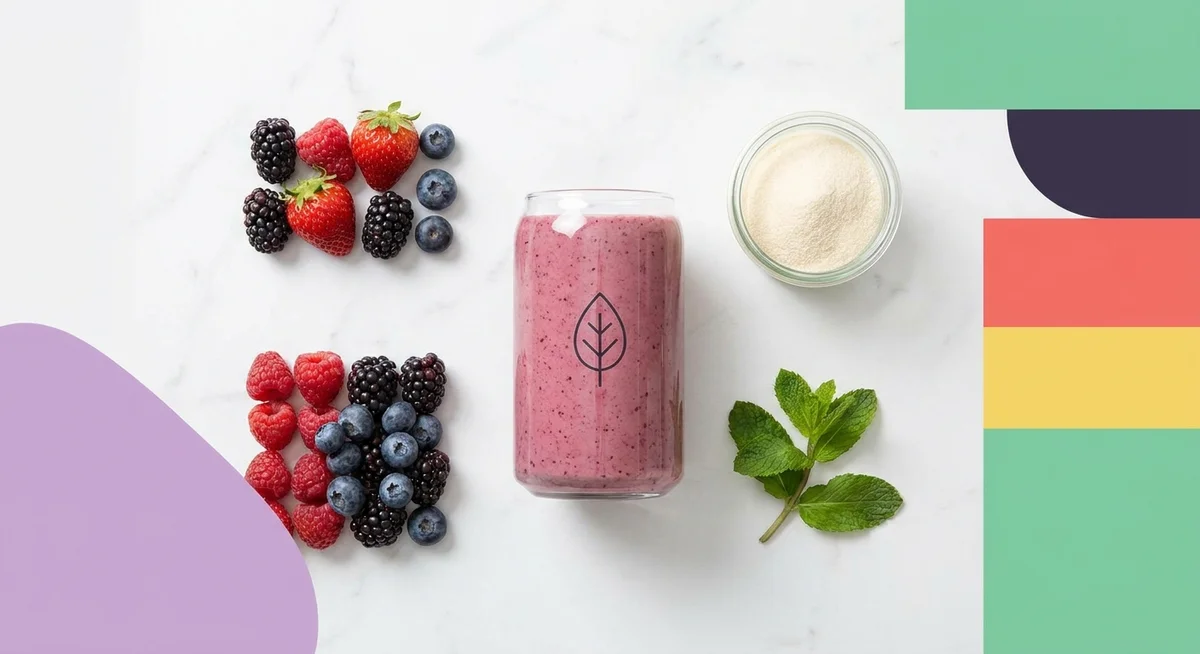
Your skin is roughly 70% collagen by dry weight, and collagen is a protein. That basic fact is why the link between protein intake and skin condition is real, not just marketing. Whether a protein supplement can meaningfully move the needle on your skin quality depends on which type you choose, how much you take, and what else is in your diet. Here is what the evidence actually says.
Key takeaways
- Protein deficiency visibly damages skin: dullness, slow wound healing, and collagen loss are all documented signs.
- Collagen peptide supplements have the strongest direct evidence for skin elasticity and hydration improvements.
- Standard whey or plant proteins support skin indirectly by keeping your overall protein status adequate.
- No protein powder fixes UV damage, poor sleep, or smoking. Think of it as one useful layer, not a cure.
- Dose matters: most skin-focused collagen trials use 2.5g to 10g of hydrolysed collagen peptides per day.
Why does protein matter for skin in the first place?
Skin is made of proteins: collagen gives it structure and firmness, elastin lets it spring back, and keratin forms the protective outer layer. All three require a steady supply of amino acids to be produced and repaired. When dietary protein drops too low, your body prioritises essential organs and pulls resources away from skin. The result is slower cell turnover, reduced collagen synthesis, and a complexion that looks flat and tired well before any other health marker shifts.
Beyond structure, certain amino acids play specific roles. Glycine and proline are the main building blocks of collagen. Arginine supports wound healing through nitric oxide pathways. Cysteine is a precursor to glutathione, the body's primary antioxidant. Getting enough total protein generally means getting enough of all of these, which is why hitting your daily target matters more than chasing any single "skin amino acid."
Does collagen powder actually work for skin?
This is where the evidence gets specific. Hydrolysed collagen peptides (collagen broken into short chains that absorb easily) have been tested in a number of randomised controlled trials. A 2019 systematic review in the Journal of Drugs in Dermatology analysed 11 trials and found consistent improvements in skin elasticity, hydration, and density after 8 to 12 weeks of daily supplementation at doses of 2.5g to 10g. A 2023 meta-analysis in the International Journal of Dermatology confirmed those findings, with elasticity improvements averaging around 7 to 12% versus placebo.
The mechanism appears to be twofold: the peptides are absorbed intact into the bloodstream and act as signals that stimulate fibroblasts (your skin's collagen-producing cells) to ramp up production. They also provide direct amino acid substrate for new collagen synthesis.
Collagen peptides: strengths
- Direct clinical evidence for skin elasticity and hydration
- Easy to add to coffee, smoothies, or water with no flavour change
- Typically 8-10g protein per serving
- Absorbed efficiently due to small peptide size
- Generally well tolerated, low allergen risk
Collagen peptides: limitations
- Animal-derived (not suitable for vegans)
- Lower leucine content than whey, so less useful for muscle building
- Results take 8 to 12 weeks to appear
- Not a complete protein on its own
- Cost per gram of protein is higher than whey or plant proteins
What about whey, casein, and plant proteins?
Standard protein powders support skin health indirectly. Their primary job is keeping your total daily protein intake adequate, which ensures your body has the raw materials to maintain all protein-based tissues, skin included. Whey is particularly rich in cysteine, which supports glutathione production and therefore your skin's antioxidant defence. Casein digests slowly, delivering a sustained amino acid supply overnight when much of the body's repair work happens.
Plant proteins such as pea, rice, and hemp can do the same job if dosed correctly. They tend to be lower in glycine and proline compared to collagen or animal proteins, but because they contribute to your overall amino acid pool, they still support skin protein turnover as part of a balanced diet. For a detailed breakdown of plant protein options, see our guide to pea, rice, hemp and soy protein.
| Protein type | Direct skin evidence | Key skin amino acids | Best used for |
|---|---|---|---|
| Collagen peptides | Strong (RCTs) | Glycine, proline, hydroxyproline | Elasticity, hydration, anti-ageing |
| Whey isolate/concentrate | Indirect | Cysteine, leucine, glutamine | Overall protein status, antioxidant support |
| Casein | Indirect | Glutamine, phenylalanine | Overnight repair and recovery |
| Pea / rice blend | Indirect | Arginine, lysine | Vegan protein adequacy, wound healing support |
What else affects how well protein works for your skin?
Protein quality and timing matter, but so do a few other factors. Zinc supports wound healing and skin cell renewal; it is found in reasonable amounts in animal-based protein foods and some fortified plant proteins. Adequate hydration keeps skin cells plump and helps nutrients reach the dermis. And the basics, consistent sun protection, enough sleep, and not smoking, have a larger individual impact on skin appearance than any supplement.
If you are unsure how much total protein you should be aiming for each day, our article on daily protein requirements breaks down the numbers by bodyweight and goal. For most adults, 1.2g to 1.6g per kilogram of bodyweight per day covers both muscle and skin protein synthesis comfortably.
How to add protein powder to a skin-focused routine
The simplest approach is to split your strategy in two. Use a collagen peptide powder daily (5g to 10g, with vitamin C) if skin elasticity and hydration are a specific goal. Keep using your regular whey or plant protein around training to hit your total daily target. The two products serve different purposes and work well together.
If budget is a concern and you prefer one product, a complete protein powder (whey, casein, or a quality plant blend) that keeps your overall intake adequate is the higher-leverage choice. Skin problems caused by low protein resolve when protein intake returns to normal. Skin improvements beyond baseline from collagen peptides are a worthwhile extra if the cost makes sense for you.
For guidance on reading product labels so you know exactly what you are buying, see our practical guide on how to read a protein powder nutrition label.
Frequently asked questions
How long before I see results from collagen powder on my skin?
Most clinical trials show measurable improvements in skin elasticity and hydration after 8 to 12 weeks of consistent daily use at doses of 2.5g to 10g. Skin cell turnover is slow, so patience is necessary. Results are more noticeable in people over 35, where natural collagen production has already started declining.
Can protein powder cause acne or skin breakouts?
There is some evidence that high doses of whey protein may aggravate acne in people who are already prone to it, likely through insulin and IGF-1 pathways. If you notice breakouts after starting whey, try switching to a plant-based protein or a hydrolysed whey isolate, which has lower hormonal signalling. Collagen peptides are not associated with acne.
Is marine collagen better than bovine collagen for skin?
Both contain similar collagen peptides (primarily Type I), and the clinical studies showing skin benefits have used both sources. Marine collagen is absorbed slightly faster due to smaller peptide size, but the practical difference in outcomes is modest. The choice often comes down to dietary preference: marine suits pescatarians; bovine is cheaper and more widely available.
Do plant-based protein powders have any collagen in them?
No. Collagen is only found in animal tissues. Some plant-based supplements are marketed as "collagen boosters" because they contain vitamin C, zinc, or amino acids that support the body's own collagen production, but they do not contain collagen itself. If you are vegan and want to support collagen synthesis, focus on getting adequate total protein, plenty of vitamin C, and zinc from your diet.
Find a quality protein powder that fits your goalsOur vanilla protein powder guide covers what to look for, how to compare labels, and which formats work best for different needs.