Protein Powder and Appetite Control: How It Keeps You Full

Protein is the most filling macronutrient, gram for gram, by a wide margin. When you add a quality protein powder to your diet, you are not just hitting a number on a nutrition label. You are directly influencing the hormones and signals that tell your brain whether you are hungry or satisfied. Understanding how that process works helps you use protein powder strategically, not just habitually.
Key takeaways
- Protein triggers a stronger satiety response than carbohydrates or fat, at the same calorie load.
- It works through three mechanisms: gut hormone release, slower gastric emptying, and reduced ghrelin (the hunger hormone).
- Casein and pea protein tend to keep you fuller for longer; whey produces a faster but shorter satiety spike.
- Timing your shake before a meal or at breakfast can cut total daily calories without conscious restriction.
- Hitting 1.6 to 2.2 g of protein per kg of bodyweight is the threshold where satiety effects become consistent across studies.
Why does protein make you feel fuller than other macronutrients?
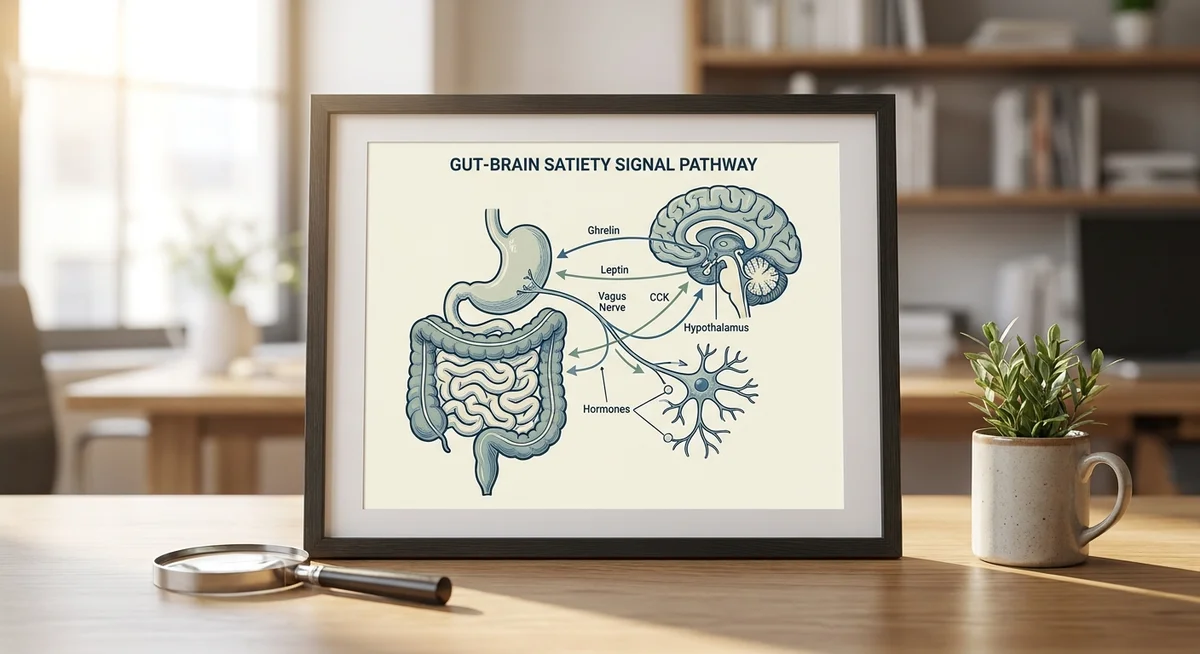
Protein keeps you fuller for longer because it triggers a more powerful hormonal response than either carbohydrates or fat. When protein reaches your gut, it stimulates the release of two key satiety hormones: GLP-1 (glucagon-like peptide-1) and PYY (peptide YY). Both of these signal the brain to reduce appetite. At the same time, protein suppresses ghrelin, the hormone your stomach releases when it wants food. Studies consistently show that a high-protein breakfast can keep ghrelin levels lower for three to four hours longer than a high-carbohydrate breakfast of identical calories.
Protein also costs more energy to digest. The thermic effect of protein is roughly 25 to 30% of its calorie content, compared to around 6 to 8% for carbohydrates and 2 to 3% for fat. That means a portion of every protein calorie you eat is spent on digestion itself, which contributes to the feeling of fullness without adding usable energy.
Which protein powder types are best for appetite control?
Not all protein powders produce the same satiety effect. The rate at which a protein is digested matters as much as the total amount.
| Protein Type | Digestion Speed | Satiety Duration | Best For |
|---|---|---|---|
| Casein | Slow (5 to 7 hours) | Long | Overnight hunger, meal replacement |
| Pea Protein | Moderate to slow | Long | Plant-based dieters, extended fullness |
| Whey Concentrate | Fast (1 to 2 hours) | Moderate | Post-workout, morning hunger spike |
| Whey Isolate | Very fast (<1 hour) | Short to moderate | Post-workout recovery |
| Soy Protein | Moderate | Moderate | All-day use, plant-based |
| Hemp Protein | Slow | Moderate to long | Plant-based, added fibre benefit |
Casein is the standout choice if your goal is staying full for several hours, particularly overnight or between meals. It forms a gel in the stomach and releases amino acids gradually, keeping satiety signals active well past what whey can manage. Pea protein behaves similarly in many people, partly because it is higher in arginine and slower to digest than most animal proteins.
If you want a deeper look at how whey types compare on digestion and absorption, the guide on whey isolate versus concentrate breaks down the structural differences clearly.
How should you time protein powder for maximum fullness?
When you take your shake matters almost as much as which protein you choose.
At breakfast. Starting the day with protein rather than refined carbohydrates sets a lower hunger baseline for the rest of the day. A shake at breakfast keeps ghrelin suppressed through the morning hours, which means fewer cravings before lunch.
Before meals. As noted above, a preload shake before lunch or dinner is one of the most practical applications of this research. You do not need to skip the meal; you just arrive at it less hungry.
As a snack replacement. Swapping an afternoon biscuit or handful of chips for a 20 g protein shake cuts processed calories and replaces them with something that actually contributes to satiety. This single swap, done consistently, makes a measurable difference over weeks.
Before bed (casein specifically). A casein shake taken 30 to 60 minutes before sleep keeps amino acid levels elevated overnight and reduces the hunger that some people feel first thing in the morning. It also supports muscle protein synthesis during sleep, which is covered in more detail in the article on protein powder and sleep recovery.
How much protein do you actually need for the satiety effect to kick in?
The research is fairly consistent: protein needs to make up at least 25 to 30% of your total daily calories for appetite suppression to become noticeable. Below that threshold, the effect is present but mild. In practical terms, for someone eating 2,000 calories per day, that is around 125 to 150 g of protein.
Most Australians eat well below this. The average daily intake sits closer to 80 to 100 g, which is enough to avoid deficiency but not enough to drive meaningful satiety. Adding one or two protein shakes per day is often all it takes to cross that threshold.
For a personalised breakdown of where your intake should sit based on your weight and training load, the guide on how much protein you need per day is a good starting point.
It is also worth noting that protein powder used for appetite control works best alongside, not instead of, real food. Whole-food protein sources bring fibre, micronutrients, and volume that shakes do not. The most effective approach is using protein powder to fill the gaps where food alone falls short, particularly at breakfast or as a snack.
If you are also managing calorie intake, the article on using protein powder in a calorie deficit explains how to structure your intake to protect muscle while losing fat.
Frequently asked questions
Does protein powder suppress appetite better than whole-food protein?
Not necessarily better, but often more convenient. Liquid protein digests quickly and triggers satiety hormones fast, which makes a preload shake practical in a way a chicken breast before lunch is not. Whole-food protein sources that are high in volume and fibre, like legumes or Greek yoghurt, may produce stronger total satiety, but shakes are a reliable and flexible tool when whole foods are not an option.
Will a protein shake before bed make me gain fat?
Not if it fits within your total daily calorie target. A 100 to 120 calorie casein shake before bed does not cause fat gain on its own. What matters is your total energy intake across the day. Pre-bed protein is often useful precisely because it reduces morning hunger, which can prevent overeating the next day.
How long does a protein shake keep you full?
It depends on the type. Whey shakes typically produce a satiety window of one to two hours. Casein and pea protein extend that to three to five hours in most people. Adding fat or fibre to your shake, such as blending with nut butter or oats, slows digestion further and extends fullness noticeably.
Can protein powder help with late-night snacking?
Yes, and this is one of its most underused applications. A small casein shake after dinner dramatically reduces the urge to snack in the hours before bed. It keeps blood amino acids elevated, which blunts the ghrelin surge that often kicks in two to three hours after the evening meal. If late-night snacking is a consistent problem, a 20 g casein shake after dinner is worth trialling for two weeks.
Find a protein powder that fits your goalsBrowse our vanilla protein powder, trusted by Australians focused on clean ingredients and real results.