Hemp Protein Powder: How to Pick the Right One
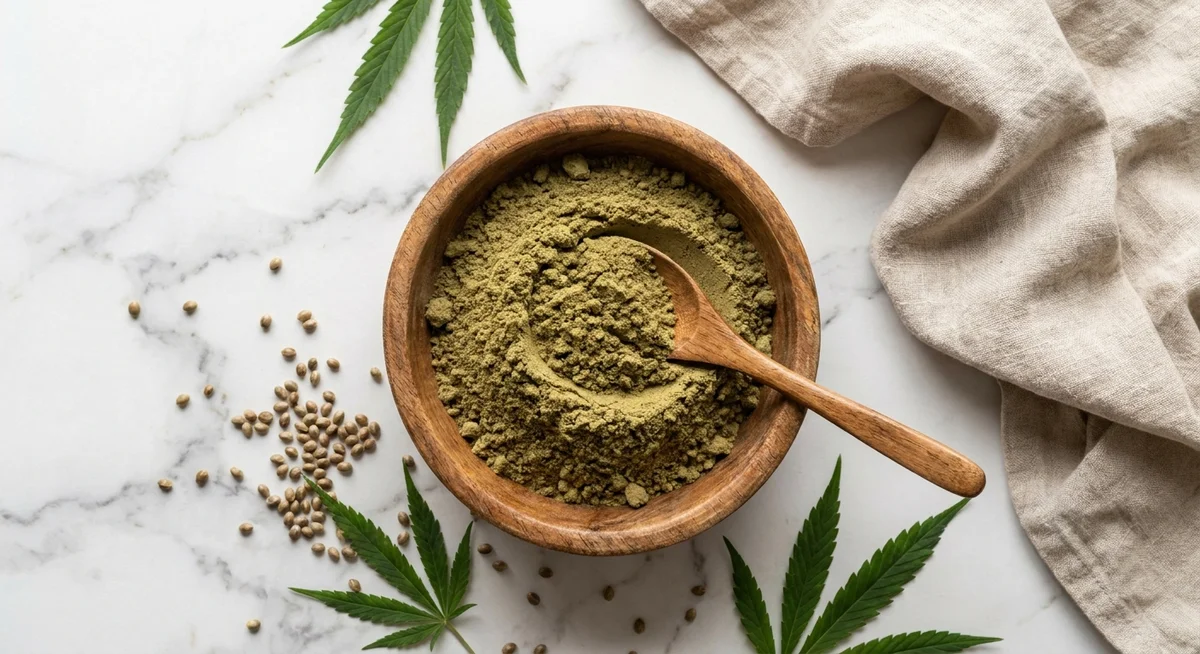
Hemp protein powder is made by cold-pressing hemp seeds into oil and then milling the leftover seed cake into a fine powder. It delivers a complete amino acid profile, meaningful fibre, and a useful dose of omega-3 and omega-6 fatty acids in every serve. The catch is that protein content per 30 g scoop can range from 12 g to 17 g depending on how well the oil was extracted, so reading the label carefully matters.
Key takeaways
- Look for at least 50% protein by weight (15 g per 30 g serving) to know the oil was well removed.
- Hemp is a complete protein, but leucine content is lower than whey, so doses of 30-40 g work better for muscle protein synthesis.
- Naturally high fibre (6-8 g per serve) is an advantage for gut health but can cause bloating if you jump straight to two scoops a day.
- Third-party testing for heavy metals matters more with hemp than most proteins because hemp plants absorb soil contaminants readily.
- Hemp is naturally free of lactose, gluten, and soy, making it one of the safest choices for people with multiple food sensitivities.
What makes hemp protein different from other plant proteins?
Unlike pea or rice protein, hemp protein is minimally processed. You are essentially eating ground seed cake, which is why the texture is earthier and the fibre count is far higher than most plant protein powders. That minimal processing also means no amino acid isolation steps, so the full range of nutrients in the seed survives into the powder.
Hemp contains all nine essential amino acids, which puts it in the same category as whey and egg when it comes to profile completeness. The practical difference is in leucine concentration. Whey delivers around 2.5 g of leucine per 25 g serve; hemp typically delivers 1.0-1.4 g per 30 g serve. Leucine is the amino acid that most directly triggers muscle protein synthesis, so hemp users generally need a larger serving or a strategically timed second dose to match the anabolic signal from whey.
How do you read a hemp protein label?
Three numbers tell you almost everything you need to know before buying.
| Label figure | What to look for | Why it matters |
|---|---|---|
| Protein per 30 g serve | 15 g or more (50%+) | Below 12 g usually means higher fat content from incomplete pressing |
| Fibre per serve | 5-8 g is normal and beneficial | Very low fibre (<3 g) may indicate over-processing or fillers |
| Fat per serve | 3-6 g, mostly polyunsaturated | Omega-3 and omega-6 in roughly 1:3 ratio is the hemp gold standard |
Beyond the macros, check the ingredient list. A quality hemp protein powder should list one ingredient: organic hemp protein or hemp seed protein. If you see maltodextrin, inulin, or multiple gum thickeners near the top, the manufacturer is bulking out a lower-quality base.
Is hemp protein powder right for your goals?
The answer depends mainly on what you are optimising for.
Hemp protein suits you if...
- You want a minimally processed, whole-food protein source
- You have lactose, gluten, or soy intolerances
- You want added fibre and healthy fats from a single supplement
- You follow a vegan or plant-based diet
- You prefer an earthy, nutty flavour over sweet, artificial tastes
- You are focused on general health as much as performance
Consider a different protein if...
- Your main goal is maximum muscle protein synthesis per gram of powder
- You need very high protein per calorie (hemp's fat and fibre reduce this)
- You are very sensitive to digestive changes (start slow either way)
- You dislike earthy or green-tasting foods
- You need a flavourless powder for baking (hemp has a distinct taste)
What about heavy metals and third-party testing?
Hemp is a bioaccumulator. It pulls minerals and contaminants from soil, which is why industrial hemp is sometimes planted to remediate polluted land. This is excellent for farmers but means hemp protein powder from poorly sourced crops can carry cadmium, lead, or arsenic at levels worth caring about.
The fix is simple: only buy brands that publish a Certificate of Analysis (COA) from an independent lab such as Eurofins, NSF, or Informed Sport. The COA should show heavy metals tested below the limits set by the TGA (Therapeutic Goods Administration) in Australia. If a brand cannot produce a COA on request, move on. This single step filters out the vast majority of poor-quality products on the market.
For a broader look at how hemp stacks up against pea, rice, and soy, the plant protein comparison guide runs through the full amino acid and digestibility numbers side by side. If you are managing a specific digestive condition alongside your protein choices, the protein powder and gut health guide covers which proteins are easiest on the digestive system and which additives to avoid.
How much hemp protein should you take each day?
Because hemp's leucine content is lower than whey, most research on plant proteins suggests aiming for 30-40 g per serve rather than the 20-25 g that whey users typically aim for. Two serves daily (one post-workout, one before bed or with a meal) covers most training scenarios. Total daily protein targets of 1.6-2.2 g per kg of bodyweight apply regardless of protein source, so use hemp as part of a varied diet rather than relying on it exclusively if your protein needs are high.
For people who are new to plant proteins or have sensitive digestion, start with one serve per day for the first week. The fibre content, while beneficial, is a genuine adjustment if your gut is used to whey or casein.
Compare top-rated protein powders in AustraliaSee detailed breakdowns of ingredients, protein per serve, and value across leading brands.Frequently asked questions
Does hemp protein powder contain THC?
No. Hemp seed protein is made from the seeds of the Cannabis sativa plant, which contain no psychoactive compounds. THC is found in the flowers and leaves, not the seeds. Reputable brands cold-press seeds specifically certified as industrial hemp, and any credible COA will confirm cannabinoid levels are non-detectable. You will not fail a drug test by using a properly tested hemp protein powder.
Is hemp protein a complete protein?
Yes. Hemp seeds contain all nine essential amino acids, including those the human body cannot produce on its own. The total protein digestibility score (PDCAAS) for hemp sits around 0.46-0.60, lower than whey (1.0) because of slightly lower digestibility and leucine content. This is why serving sizes of 30-40 g are recommended rather than the 20-25 g typical for whey.
Can you cook and bake with hemp protein powder?
Yes, within limits. Hemp protein holds up well in no-bake bliss balls, overnight oats, and smoothies. In baked goods, replace no more than 25% of the flour with hemp protein or the texture becomes dense and gummy. The earthy flavour pairs particularly well with cocoa, banana, and nut butter, so those combinations work well for protein balls and muffins.
How does hemp protein compare to pea protein for muscle building?
Pea protein has a higher leucine content and a PDCAAS closer to 0.89, making it slightly better matched to whey for muscle protein synthesis at equal serving sizes. Hemp's advantage is the additional fibre and omega fatty acids that pea protein does not provide. Many plant-based athletes blend the two: pea protein for the amino acid punch, hemp protein for the nutritional breadth. If you pick one, pea is the stronger choice for pure muscle-building goals; hemp wins on overall nutritional value.