Rice Protein Powder: How to Pick the Right One
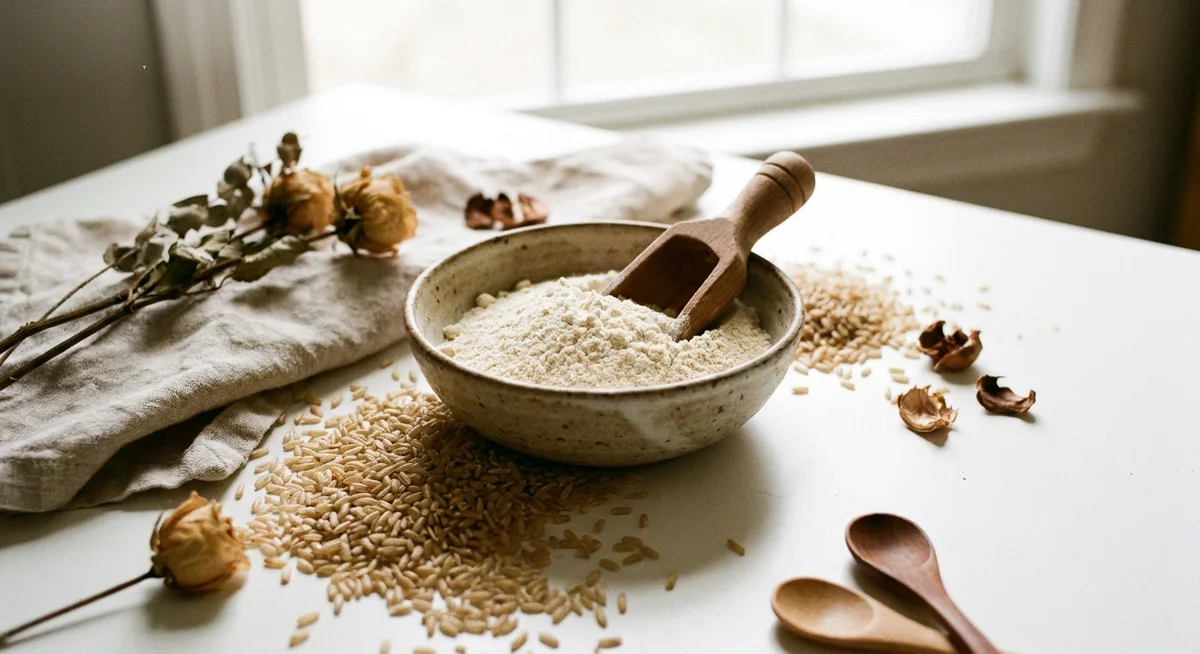
Rice protein powder is made by extracting protein from brown rice grains. It is 85–90% protein by weight, digests well for most people, and carries no dairy, gluten, soy, or egg. That makes it one of the few powders that works across nearly every dietary restriction. The catch is that it is lower in lysine than whey, so how you use it matters.
Key takeaways
- Look for at least 20g of protein per 30g serving and an 80%+ protein-by-weight ratio.
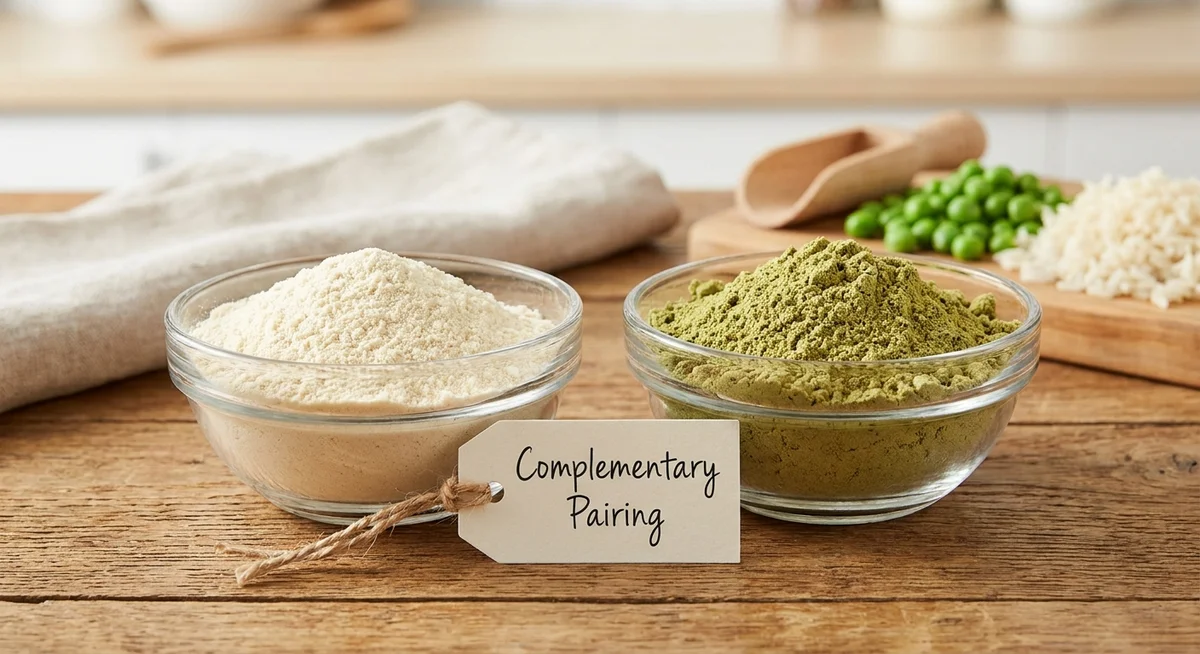
- Rice protein is low in lysine; pair it with pea or hemp protein for a complete amino acid profile.
- Cold-water processing and enzyme extraction preserve more amino acids than heat treatment.
- Independent third-party testing (Informed Sport, NSF) matters more with plant proteins, which can carry heavy metal residues.
- Texture is naturally gritty; blending with liquid for 30–60 seconds or adding to smoothies hides it well.
Is rice protein powder a complete protein?
Not on its own. Brown rice contains all nine essential amino acids, but lysine levels are low enough that it does not qualify as "complete" by the standard definition. For comparison, whey protein scores a PDCAAS (Protein Digestibility Corrected Amino Score) of 1.0; rice protein typically lands around 0.5–0.7. That sounds like a dealbreaker, but it is not if you eat a varied diet. Lysine shows up in legumes, lentils, quinoa, and most whole foods. If rice protein is your only protein source and your diet is limited, pairing it with a pea or hemp blend is the fix.
What should you check on the label?
| Label item | What to look for | Red flag |
|---|---|---|
| Protein per serving | 20g+ per 30g scoop | Under 18g suggests fillers or underdosing |
| Processing method | Enzyme extraction, cold-processed | Acid-treated versions denature more amino acids |
| Heavy metal testing | Informed Sport, NSF, or Labdoor certification | No certification and no published batch results |
| Added sugar | Under 3g per serving | Anything above 5g is practically a flavoured dessert mix |
| Additives | Short ingredient list, natural flavours only | Artificial sweeteners, thickeners, and anti-caking agents in the first five ingredients |
| Origin of rice | Non-GMO brown rice, ideally organically grown | No sourcing information at all |
How does rice protein compare to other plant proteins?
Reasons to choose rice protein
- Allergen-free across the most common categories (dairy, soy, gluten, egg)
- Very mild, slightly nutty flavour that does not overpower smoothies or baked goods
- High digestibility; rarely causes the bloating some people get with pea protein
- Widely available and generally cheaper per gram than premium blends
- Mixes into hot liquids and oats better than many plant proteins
Reasons to look elsewhere
- Incomplete amino acid profile without dietary pairing
- Gritty texture if mixed by hand or in too little liquid
- Natural arsenic risk demands more scrutiny of brand transparency
- Lower BCAA content than whey isolate or casein, which matters post-heavy lifting
- Fewer published long-term studies than whey protein
Who benefits most from rice protein?
Rice protein suits four groups particularly well. First, people with multiple food allergies who have run out of safe options. Second, vegans who find pea protein hard on their gut. Third, anyone who bakes with protein powder regularly, since rice protein's neutral flavour and fine texture work well in pancakes, muffins, and protein balls. Fourth, endurance athletes who need a light, fast-digesting protein that will not cause GI distress during or after long sessions. If you are focused primarily on maximising muscle protein synthesis after heavy resistance training, whey isolate still holds the edge on raw amino acid delivery. For everything else, rice protein does the job.
Dosing follows the same rules as any protein powder. Most adults need 1.6–2.2g of protein per kilogram of body weight per day across all food sources. A single 30g scoop of rice protein covering 20–24g of that total is a sensible contribution. You do not need to drink two scoops at once; spreading protein across meals works better for muscle protein synthesis. Check out how much protein you actually need per day if you want to calculate your personal target before shopping.
On taste and texture: rice protein will never be as creamy as a whey isolate shake. Accepting that upfront saves disappointment. The better brands improve the mouthfeel by milling to a very fine particle size. Blending with a frozen banana, nut butter, or oat milk for 45–60 seconds transforms a gritty drink into something genuinely pleasant. It also works exceptionally well stirred into warm oatmeal, where the grittiness disappears entirely.
For a broader comparison of plant-based options before you commit, the plant protein vs whey breakdown covers the research on how they stack up for muscle gain, weight management, and long-term health.
Frequently asked questions
Can rice protein build muscle as effectively as whey?
A 2013 study published in the Nutrition Journal found that rice protein produced similar gains in lean mass and strength to whey protein over eight weeks of resistance training when matched for total protein intake. The lysine gap matters less when your overall diet covers it. For most recreational gym-goers eating varied meals, rice protein is a practical muscle-building tool.
Is rice protein safe for people with coeliac disease?
Yes, provided the product is certified gluten-free and manufactured in a dedicated facility. Brown rice is naturally gluten-free, but cross-contamination during processing is a real risk. Check the label for a certified gluten-free logo rather than just a marketing claim. If you are coeliac or highly sensitive, contact the manufacturer directly about their facility practices.
How much rice protein powder should I take per day?
One to two scoops (20–48g of protein) per day is the typical range, depending on how much protein you get from food. There is no benefit to exceeding 40g in a single sitting as the body cannot use that much for muscle protein synthesis at once. Spread servings across the day for better absorption and use it to fill gaps in your diet rather than replace whole food sources.
Does rice protein powder taste bad?
Plain rice protein is mild and slightly earthy. It is far less chalky than some pea proteins and has no strong aftertaste. Flavoured versions vary widely by brand. The best ones use natural flavours and a small amount of monk fruit or stevia. Read reviews specifically about texture, not just taste, before committing to a large bag of a brand you have never tried.
Compare vanilla protein powder optionsSee what to look for in a flavoured protein powder before you buy.