Natural Chia Seeds: Nutrition, Benefits, and How to Use Them
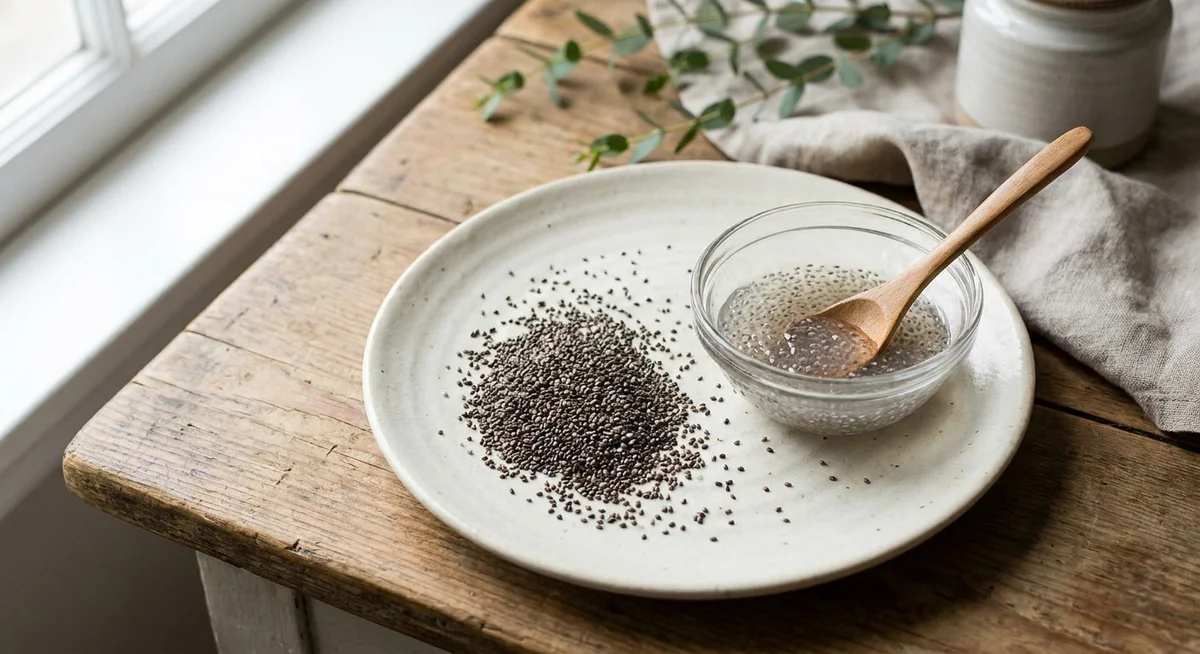
Chia seeds are one of the most nutrient-dense whole foods by weight. Two tablespoons (about 28 g) deliver 5 g of protein, 9 g of fat (mostly omega-3), and 10 g of fibre, all for roughly 140 calories. They have no strong flavour, absorb many times their weight in liquid, and require zero preparation beyond a brief soak. That combination is why they keep showing up in everything from overnight oats to high-protein smoothies.
Key takeaways
- A 28 g serve contains around 5 g of protein, 10 g of dietary fibre, and 5 g of omega-3 ALA.
- Chia seeds are one of the richest plant sources of alpha-linolenic acid (ALA), the short-chain omega-3 fatty acid.
- Soaking chia seeds before eating improves digestibility and speeds up nutrient absorption.
- They work as a natural egg replacer (1 tbsp chia + 3 tbsp water) in baking, useful for plant-based diets.
- Combined with a quality protein powder, chia seeds help hit both fibre and protein targets in a single meal.
What is the actual nutrition in chia seeds?
Chia seeds come from Salvia hispanica, a plant native to Mexico and Guatemala. The seeds are small, but the nutrient density is high for their size. The table below gives a practical breakdown of what you get per 28 g serve (roughly two level tablespoons), using USDA reference data.
NutrientPer 28 g (2 tbsp)Why it matters Calories138 kcalModerate energy for the nutrient yield Protein4.7 gComplete amino acid profile (unusual for a seed) Total fat8.7 gMostly unsaturated; omega-3 dominant Omega-3 ALA~5 gOne of the highest plant ALA sources available Dietary fibre9.8 gAround one-third of the daily recommended intake Calcium179 mg (18% DV)Meaningful contribution for dairy-free diets Magnesium95 mg (23% DV)Supports muscle function and energy metabolism Phosphorus244 mg (35% DV)Bone health and cellular energy (ATP) One number worth pausing on: chia seeds contain all nine essential amino acids, which is rare for a plant food. The amounts are not huge per serve, so chia is best treated as a protein complement rather than a standalone protein source. Pairing them with a natural protein powder brings the total protein per meal to a more substantial level.
 What are the proven benefits of eating chia seeds regularly?
Research on chia seeds is growing, and several benefits have consistent support across multiple studies.
Fibre and digestive health
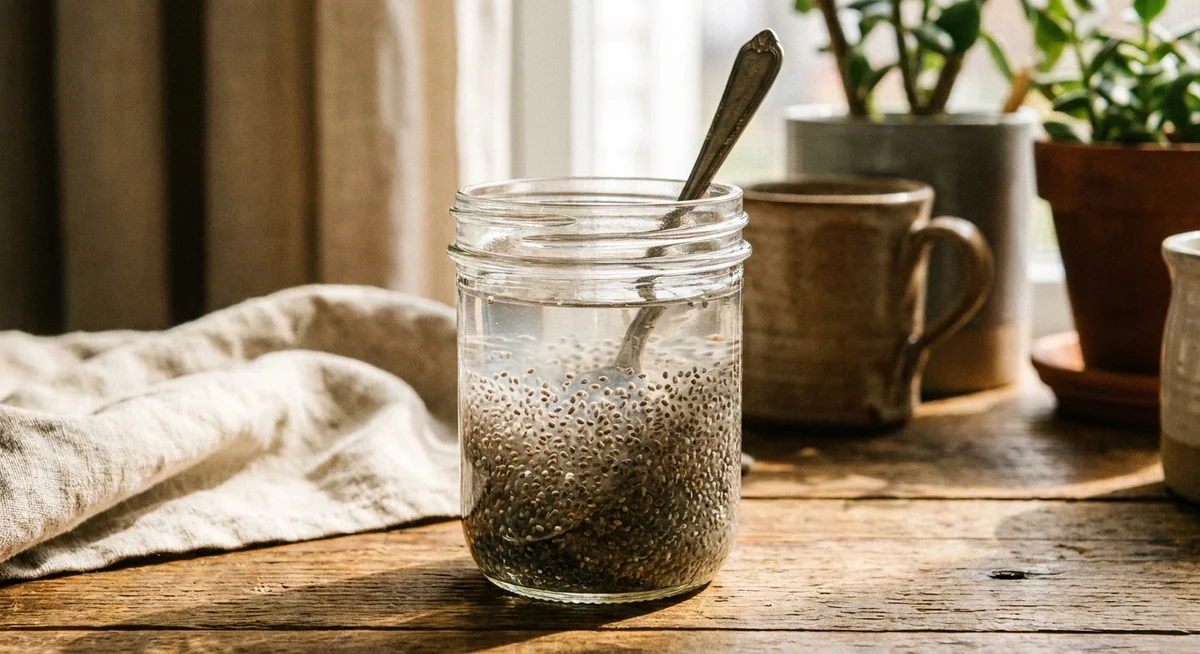
The soluble fibre in chia seeds forms a gel when mixed with water. That gel slows digestion, which helps stabilise blood sugar after meals and extends the feeling of fullness. Ten grams of fibre per serve is significant: most Australians consume less than half the recommended daily fibre intake, so chia seeds are a practical way to close that gap without overhauling an entire diet.
Omega-3 fatty acids and inflammation
Chia seeds are often cited as a plant-based omega-3 source, and the claim is accurate for ALA specifically. ALA (alpha-linolenic acid) is an essential fatty acid the body cannot produce itself. The conversion rate from ALA to the longer-chain EPA and DHA (found in fish oil) is low in humans, so chia seeds should not replace fish or algae-based omega-3 supplements for people with specific cardiovascular targets. That said, ALA itself has anti-inflammatory properties and contributes meaningfully to a whole-diet approach.
Bone-supporting minerals
Gram for gram, chia seeds contain more calcium than whole milk. A 28 g serve covers about 18% of the daily recommended calcium intake. Combined with phosphorus and magnesium (also present in meaningful amounts), chia seeds support bone mineral density, which matters particularly for people avoiding dairy.
Tip: If you are adding chia seeds to a smoothie or shake, stir them in and let the drink sit for five minutes before consuming. Even a short soak reduces the phytic acid content slightly and starts the gel formation, which improves both texture and digestibility.
How do chia seeds compare to other popular seeds?
Chia seeds stand out for
- Omega-3 ALA content (higher than flaxseed per serve)
- No grinding required (unlike flaxseed, chia nutrients are bioavailable whole)
- Neutral flavour that does not dominate recipes
- Gel-forming ability (useful in baking and as an egg replacer)
- Long shelf life (the antioxidants in the seed protect the fats)
Where other seeds do better
- Hemp seeds: higher protein per serve (about 10 g per 30 g)
- Pumpkin seeds: higher zinc and iron content
- Sunflower seeds: higher vitamin E content
- Sesame seeds: higher overall calcium per 100 g
- Flaxseed: comparable ALA but requires grinding for full absorption
How to use chia seeds every day
The simplest method is adding one to two tablespoons to whatever you already eat. Overnight oats, yoghurt, smoothies, and protein shakes all work well. For a chia pudding, combine 3 tablespoons of chia seeds with 250 ml of milk or plant milk, stir well, and refrigerate for at least two hours. The ratio matters: too few seeds and it stays liquid, too many and it sets too firm to eat easily.
As an egg replacer in baking, combine one tablespoon of chia seeds with three tablespoons of water and allow five minutes for the gel to form. Use in muffins, pancakes, and dense loaves where a light, airy crumb is not critical.
For people tracking protein intake, chia seeds pair well with a vanilla protein powder in a morning smoothie. The protein powder handles the bulk of the protein target while chia contributes fibre, omega-3s, and texture, making the meal more complete.
Find a natural protein powder to pair with chia seedsOur guide covers what "natural" actually means on a label and which products hold up to scrutiny.Frequently asked questions
Do chia seeds need to be soaked before eating?
No, but soaking improves the experience. Dry chia seeds can absorb liquid in the gut, which is uncomfortable for some people. Soaking them first speeds up that process, improves digestibility, and makes them easier to mix into foods. If you add dry chia seeds to a smoothie you drink quickly, drink a glass of water alongside it.
Are chia seeds a complete protein?
Yes, chia seeds contain all nine essential amino acids. However, the total protein per serve (around 5 g) is modest compared to a dedicated protein source. Chia seeds work best as a protein complement alongside eggs, legumes, dairy, or a protein powder, rather than as a primary protein source on their own.
How much chia should you eat per day?
One to two tablespoons (15 to 30 g) per day is the practical range most dietitians suggest. More than that can cause digestive discomfort for people not used to high-fibre diets. Introduce chia gradually if you currently eat a low-fibre diet, and keep fluid intake up throughout the day.
Do chia seeds help with weight management?
The fibre and gel-forming properties of chia seeds slow gastric emptying, which can extend satiety after meals. Evidence for direct fat loss is mixed, but using chia seeds to add bulk and fibre to lower-calorie meals is a well-supported practical strategy. They are not a shortcut, but they do make high-fibre eating easier.