Protein Powder for Women: What to Look For and What to Ignore
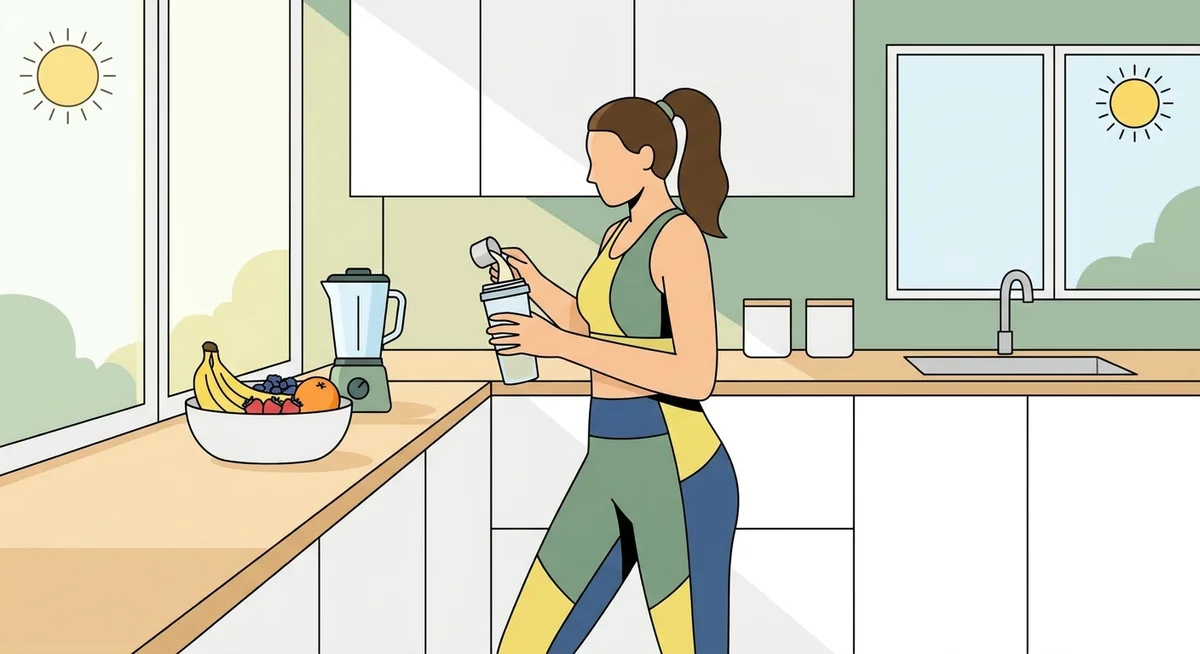
Walk down the supplement aisle and you will find protein powders marketed specifically at women: pastel tubs, smaller serving sizes, lower protein counts, and a higher price tag. The truth is that most of these products are identical to standard protein powders. What actually matters when choosing a protein powder as a woman has nothing to do with the colour of the packaging, and everything to do with a handful of real factors that apply to your goals, digestion, and diet.
Key takeaways
- There is no biological reason women need a different protein type than men. Whey, casein, and plant proteins work the same way regardless of sex.
- The main differences to account for are total daily protein targets, calorie budgets, and any dietary restrictions like lactose intolerance.
- Ingredients to avoid: excessive added sugars, proprietary blends that hide amino acid doses, and artificial sweeteners in amounts that cause digestive upset.
- A quality protein powder should list protein source, amino acid profile, and third-party testing clearly on the label.
- Most women need 1.4 to 1.8 grams of protein per kilogram of body weight daily when training regularly.
Do women actually need a different protein powder?
No. Protein metabolism works the same in men and women. The amino acids your muscles use to repair and grow after training do not change based on sex. What does change is the amount of protein you need, because protein targets scale to body weight, and women on average weigh less than men. A product labelled "for women" with 15g of protein per serve is not doing you any favours if your goal is muscle maintenance or recovery. You are simply paying more for less.
The two genuinely useful questions to ask when comparing powders are: how much protein does each serve deliver per calorie, and does the ingredient list suit your dietary needs?
Which protein type is best for women?
Protein type matters more for digestion and diet preferences than for any hormonal reason. Here is how the main options compare:
| Protein Type | Protein per 30g serve (approx.) | Best for | Watch out for |
|---|---|---|---|
| Whey Isolate | 25–27g | Post-workout recovery, high protein per calorie | Not suitable if lactose intolerant (though isolate has minimal lactose) |
| Whey Concentrate | 20–24g | Everyday use, budget-friendly | Higher lactose content can cause bloating for some |
| Casein | 22–24g | Slow-digesting, good before bed | Dairy-derived, thicker texture |
| Plant Blend (pea + rice) | 18–23g | Vegan, dairy-free, gut-friendly | Can be grittier in texture; check for complete amino acid profile |
| Collagen Peptides | 10–18g | Skin, joint, hair support | Incomplete amino acid profile; not a primary muscle-building protein |
If you have no dairy issues, whey isolate delivers the highest protein-per-calorie ratio and absorbs quickly after training. If you are dairy-free or find whey causes bloating, a pea and rice protein blend is a well-researched alternative that covers all essential amino acids when combined. For more detail on how these two categories stack up, the article on plant protein vs whey covers the comparison in depth.
What should women specifically look for on the label?
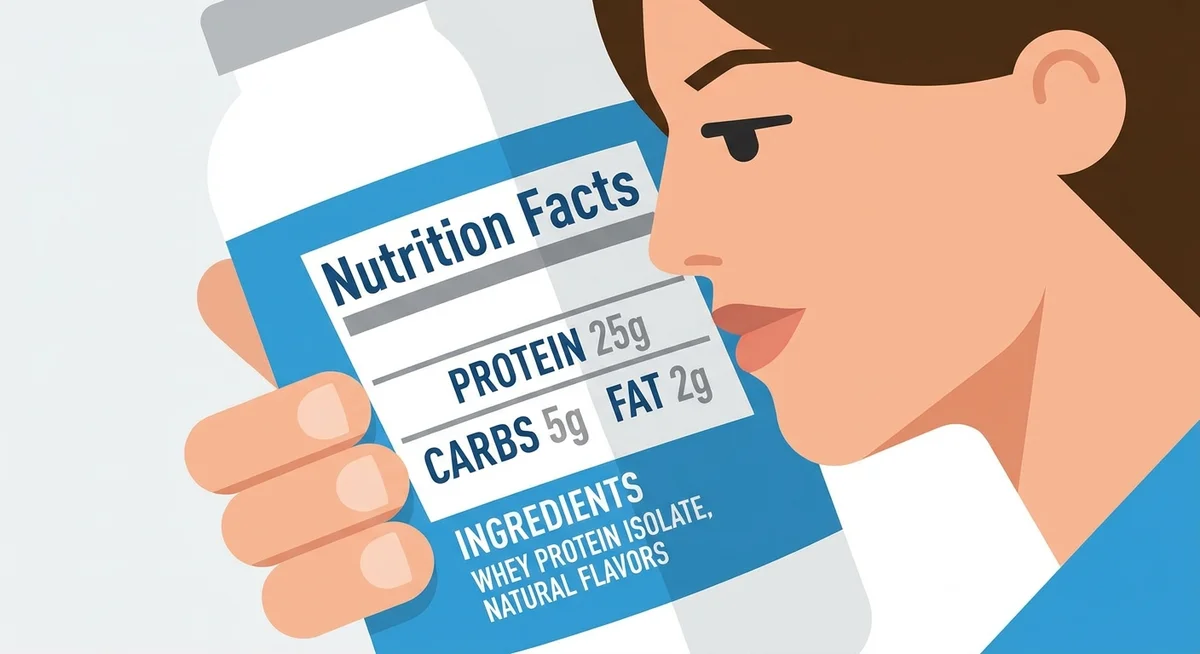
The protein powder nutrition label tells you most of what you need to know, if you know where to look. Here are the factors worth prioritising:
Protein content per serve
Aim for at least 20g of protein per 30g serving. Products that advertise "lean" or "toning" formulas often drop this to 12–15g and fill the rest with fibre or carbohydrates. That is not inherently bad, but it means you are paying for a meal replacement, not a protein supplement. Know what you are buying.
Calorie count relative to your goals
If fat loss is a priority, look for a powder under 150 calories per serve with minimal added sugars (under 3g). If you are in a building phase or need more total calories, concentrates and mass gainers make sense. Either way, the protein-to-calorie ratio matters more than the marketing category on the tub.
Sweetener load
Many "women's" proteins are heavily sweetened to make them more palatable, which is fine in small amounts. Where it becomes a problem is products that stack multiple artificial sweeteners together: sucralose, acesulfame potassium, and stevia in combination can cause digestive discomfort for sensitive people. If you have had issues with protein powders causing bloating, the sweeteners are often the culprit rather than the protein itself.
Third-party testing
Independent testing certification (Informed Sport, NSF Certified for Sport) matters for anyone who competes in sport, but it is also a useful quality signal for everyday buyers. It means the protein content listed on the label has actually been verified.
How much protein do women actually need?
The general recommendation for active women is 1.4 to 1.8 grams of protein per kilogram of body weight per day. For a 65kg woman training four times a week, that is roughly 91 to 117g of protein daily. Most people get 50–70g from whole food alone, which means a single 25g protein shake per day covers a meaningful gap without being excessive.
For women over 40, research increasingly supports the higher end of that range, around 1.6 to 2.0g/kg, to offset the natural reduction in muscle protein synthesis that comes with age. Resistance training combined with adequate protein is the most practical tool for maintaining lean mass as you age. For a full breakdown of how protein targets work, see the guide on how much protein you need per day.
Frequently asked questions
Will protein powder make women bulky?
No. Building significant muscle mass requires years of progressive resistance training, a calorie surplus, and a hormonal environment that most women do not naturally have. Protein powder supports recovery and helps maintain lean muscle, which typically makes the body look leaner and more defined, not larger. The "bulky" concern is one of the most persistent myths in women's fitness.
Can women take protein powder while pregnant or breastfeeding?
Protein needs do increase during pregnancy and breastfeeding, but supplementation should always be discussed with a GP or dietitian first. Some additives, artificial sweeteners, and herbal ingredients common in flavoured protein powders are not well-studied in pregnancy. Plain, unflavoured whey or plant protein with a clean ingredient list is the safest choice if supplementation is recommended.
Is plant protein or whey better for women with PCOS?
There is no clinical consensus specifically linking protein type to PCOS outcomes. Some women with PCOS find dairy aggravates inflammation or hormonal symptoms; others have no issues. If you suspect dairy is a factor, trialling a plant-based protein blend for 4–6 weeks and monitoring symptoms is a practical starting point. Blood sugar stability matters more: choose low-sugar options regardless of protein source.
How many protein shakes per day is too many for women?
One to two shakes daily is a reasonable ceiling for most women. Beyond that, you are likely crowding out whole foods that deliver micronutrients protein powder cannot replicate. Total daily protein matters far more than how many shakes you use to hit it. If three meals and one shake gets you to your target, that is a better pattern than three shakes and one meal.
Check out our Vanilla Protein PowderA clean-ingredient, high-protein option that works for everyday use and post-workout recovery.