Protein Powder for Pregnant and Breastfeeding Women: What's Safe and What to Avoid
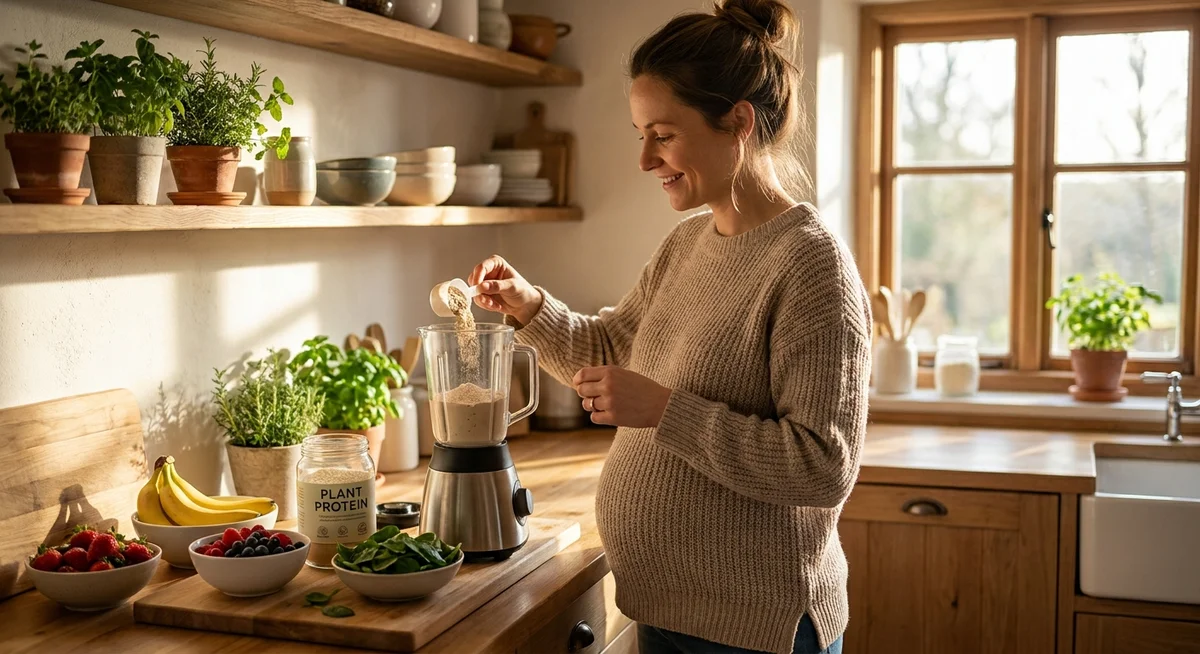
Protein needs increase by roughly 25 grams per day during pregnancy and stay elevated throughout breastfeeding, yet many women struggle to hit those targets through food alone. Protein powder can fill the gap, but the supplement aisle is full of products loaded with ingredients that are fine for a recreational gym-goer and genuinely risky during pregnancy. This guide tells you what to look for, what to avoid, and how to use protein powder safely at every stage.
Key takeaways
- Pregnant women need roughly 70-100 g of protein per day; breastfeeding women need a similar amount, sometimes more.
- Whey concentrate, whey isolate, and plain pea protein are the safest powder bases during pregnancy.
- Avoid powders with high-dose herbal blends, artificial sweeteners in large amounts, added caffeine, or proprietary "performance" blends.
- Always check with your obstetrician or midwife before adding any supplement to your routine.
- A powder with a short, readable ingredient list is almost always the safer choice.
How much protein do pregnant and breastfeeding women actually need?
The Australian Nutrient Reference Values recommend pregnant women consume at least 60 g of protein daily in the first trimester, rising to around 100 g by the third trimester as fetal tissue growth accelerates. Breastfeeding women need a similar daily target to support milk production. Most women eating a varied diet land somewhere around 60-70 g without trying, which means a daily shortfall of 20-30 g is common. One well-chosen protein shake can close that gap without requiring a complete dietary overhaul.
Which protein powder bases are safest during pregnancy?
The protein source matters more than the brand name. Here is how the common options compare for pregnant and breastfeeding women.
| Protein Source | Safety Profile | Key Consideration |
|---|---|---|
| Whey concentrate | Good | Contains lactose; may cause bloating in lactose-sensitive women |
| Whey isolate | Very good | Lower lactose, easily digested, complete amino acid profile |
| Casein | Good | Slow-digesting; useful before bed but heavier on the gut |
| Pea protein | Very good | Plant-based, allergen-friendly, low risk of contaminants |
| Soy protein | Moderate | Safe in food amounts; high-dose isolates may affect hormones |
| Hemp protein | Moderate | Lower protein per serve; contains beneficial fats but weaker amino profile |
| Collagen peptides | Good (as a supplement) | Does not replace a complete protein source; useful for skin and joints |
For most pregnant women, a plain whey isolate or a single-ingredient pea protein is the most straightforward choice. Both are well-studied, easy to find in Australia, and free of the herbal additions that make complex blends risky. You can read more about how these bases compare in our plant protein vs whey breakdown.
What ingredients should pregnant women avoid in protein powders?
The protein itself is rarely the problem. The additives are where things get complicated.
Ingredients to avoid
- Added caffeine or guarana — caffeine crosses the placenta; keep total daily intake under 200 mg
- High-dose herbal blends — ashwagandha, maca, fenugreek, and others have limited pregnancy safety data
- Artificial sweeteners in large amounts — sucralose and acesulfame-K are best minimised during pregnancy
- Creatine — no established safety data for pregnant women
- Fat burner additives — thermogenic compounds (green tea extract at high doses, synephrine) are not safe during pregnancy
- Proprietary blends — undisclosed ingredient quantities make it impossible to assess risk
Ingredients that are fine
- Natural sweeteners at low doses — stevia in small amounts is generally considered safe
- Digestive enzymes — often help with pregnancy-related bloating and are low risk
- Lecithin — a common emulsifier, safe at typical doses
- Vanilla or cacao flavouring — standard flavourings are fine; avoid anything with "energy blend"
- Added iron or folate — useful during pregnancy, though check against your prenatal supplement to avoid doubling up
When and how to use protein powder during pregnancy
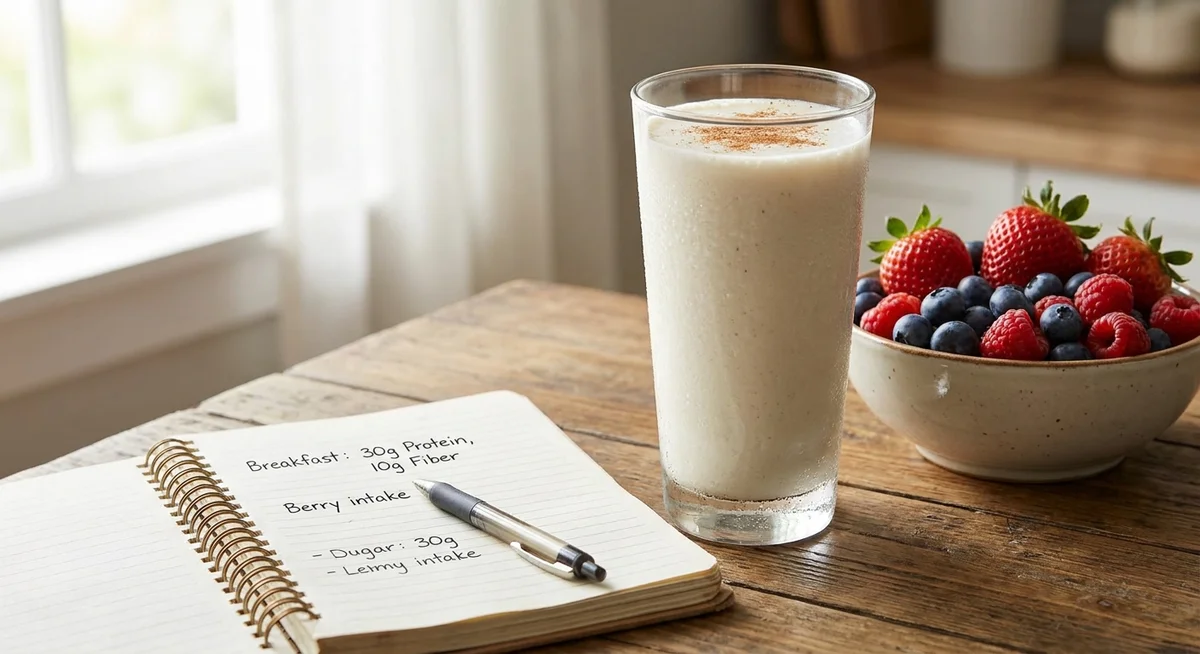
Timing matters less than it does for athletes. The priority is simply hitting your daily protein target. Most pregnant women find it easiest to add a shake to breakfast or as an afternoon snack, when food aversions (especially in the first trimester) make whole-food protein harder to stomach. Blending whey isolate with full-fat milk, frozen banana, and a handful of spinach gives you roughly 35-40 g of protein and a meaningful dose of calcium in one glass.
During breastfeeding, the window after nursing is a natural time to refuel. A quick shake takes less than two minutes, which matters when a newborn controls your schedule. Keep portion sizes at one scoop per serve. Two scoops of a high-dose powder is not twice as good and adds unnecessary ingredients to your body load.
Understanding how much total protein you actually need each day is the first step. Our guide on daily protein requirements covers the calculations clearly, including adjustments for pregnancy.
Heavy metals and third-party testing: why they matter more during pregnancy
A 2018 study by the Clean Label Project found measurable levels of heavy metals, including lead, arsenic, and cadmium, in a significant number of protein powders tested in the United States. Australian regulations are stricter, but the issue is real. During pregnancy, fetal exposure to heavy metals carries genuine developmental risk.
Look for powders that carry third-party certification from organisations like Informed Sport, NSF, or HASTA. These programs test finished batches for contaminants, not just label accuracy. If a brand cannot tell you how their product is tested for heavy metals, that is a gap worth taking seriously when you are pregnant.
If you want to understand the full picture of what goes into a quality powder, our protein powder label guide walks through every section of a nutrition panel and what each number actually means.
Frequently asked questions
Can I take protein powder in the first trimester when I have morning sickness?
Yes, with some adjustments. A plain, lightly flavoured whey isolate or pea protein blended with cold water and frozen fruit is often tolerated better than a heavy meal. Avoid anything sweet or artificially flavoured if your nausea is strong; plain or vanilla-flavoured options are usually the easiest to keep down. Always check with your midwife if symptoms are severe.
Is plant-based protein powder safe during pregnancy?
Single-ingredient plant proteins, especially pea protein, are a good choice during pregnancy. Be cautious with blended plant formulas that include herbal adaptogens. Soy protein is safe in food-equivalent amounts, though very high doses are not recommended. Check the full ingredient list, not just the protein source listed on the front of the pack.
Do I need protein powder if I already take a prenatal vitamin?
Prenatal vitamins cover micronutrients, not macronutrients. They do not contribute meaningfully to your protein target. If your diet already delivers 90-100 g of protein daily from whole foods, a powder is not necessary. If you are falling short, a simple, clean protein powder is a practical way to close the gap without overhauling your diet.
How much protein powder is too much during pregnancy?
One scoop per day (typically 20-30 g of protein) is a sensible upper limit from powder alone. You should be getting the majority of your protein from food, not supplements. More than two scoops daily from a single commercial product means you are also consuming a larger dose of every additive in that formula, which is worth avoiding when you are pregnant.
Find a clean, simple protein powderSee our vanilla protein powder guide: what to look for, what to avoid, and how to compare labels.