Protein Powder and Hydration: How Much Water You Actually Need
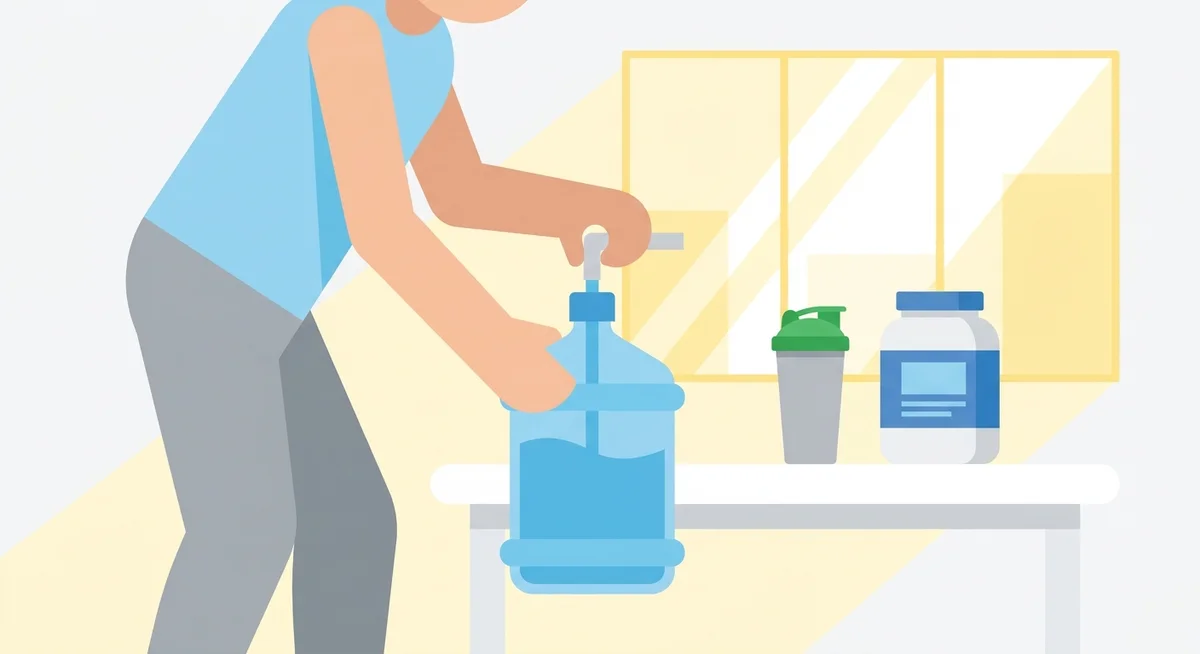
Protein powder and hydration are more connected than most people think. When you increase your protein intake, your kidneys need more water to flush out the nitrogen byproducts that come from breaking down amino acids. If you are already drinking just enough water, adding a couple of scoops of protein powder each day can quietly push you into a mild deficit that drags on recovery, energy, and even digestion.
Key takeaways
- High protein diets increase your kidneys' water demand to excrete urea and nitrogen waste.
- A general starting point is an extra 250-350 ml of water per 25-30 g of protein powder consumed.
- Dehydration blunts muscle protein synthesis and slows nutrient delivery to muscle tissue.
- Mixing your protein shake with water rather than milk is the easiest single habit change.
- Thirst is a lagging signal: by the time you feel it, you are likely already 1-2% dehydrated.
Why does protein increase your water requirements?
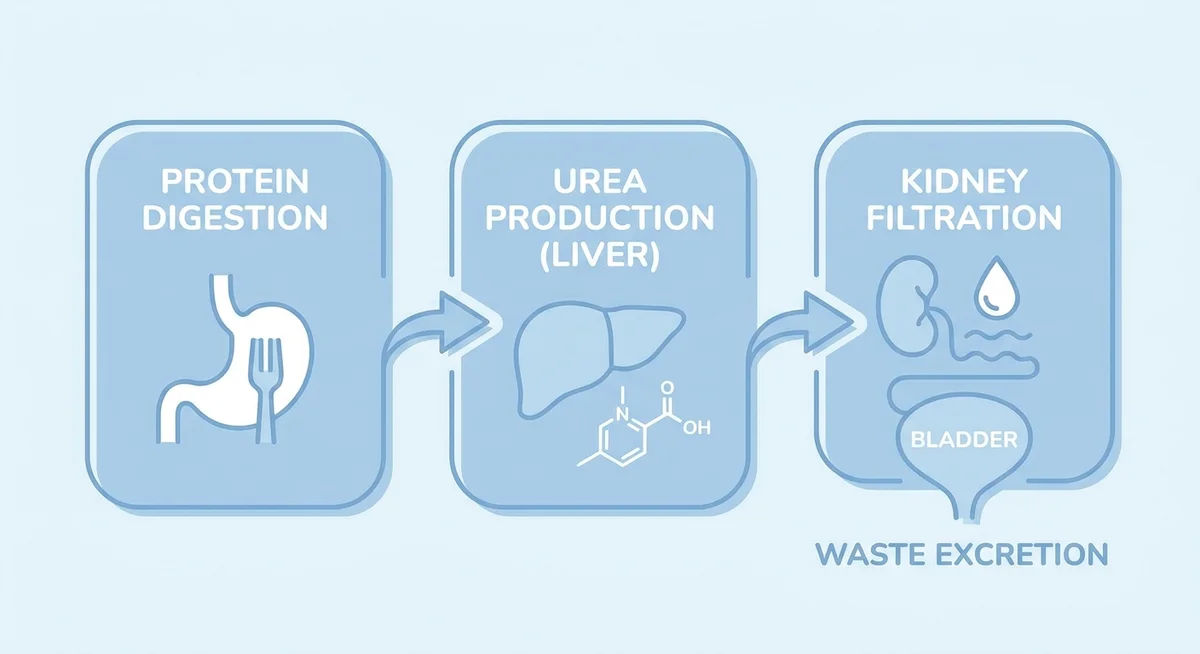
Protein metabolism produces ammonia as a byproduct. Your liver converts ammonia into urea, and your kidneys then filter urea out of the blood and excrete it in urine. Each step requires water. The more protein you eat, the more urea your body produces, and the more water your kidneys need to do their job without becoming concentrated or stressed.
Research published in the Journal of the International Society of Sports Nutrition found that athletes consuming high-protein diets (above 2 g per kilogram of body weight per day) showed measurably higher urine osmolality, a marker of concentrated urine that signals the body is working harder to excrete waste. This is not a warning sign on its own, but it does confirm that your kidneys are under greater load when protein intake rises.
There is also a digestive angle. Protein powder, especially concentrated or isolate forms, can slow gastric emptying slightly. If you are not drinking enough water alongside your shakes, this can contribute to the bloating and heaviness some people blame on the protein itself. Often the real culprit is insufficient fluid.
How much extra water do you actually need?
There is no single universal number because your starting hydration needs depend on body weight, activity level, climate, and sweat rate. That said, a practical working rule used by many sports dietitians is this: add approximately 250-350 ml of water for every 25-30 g of protein powder you consume, on top of your baseline daily target.
The Australian Nutrient Reference Values recommend roughly 2.6 litres of total fluid per day for adult men and 2.1 litres for adult women, including fluid from food. Active people training at moderate to high intensity need more, typically 3-4 litres depending on sweat losses.
| Daily protein powder intake | Extra water to add | Approximate daily fluid target (active adult) |
|---|---|---|
| 1 scoop (25-30 g protein) | 250-350 ml | ~3.0-3.5 L |
| 2 scoops (50-60 g protein) | 500-700 ml | ~3.5-4.0 L |
| 3 scoops (75-90 g protein) | 750 ml-1 L | ~4.0-4.5 L |
These figures are starting points, not prescriptions. The simplest check is urine colour: pale straw yellow means you are well hydrated. Dark amber means drink more.
Does dehydration actually hurt your gains?
Yes, and the effect is larger than most gym-goers realise. Even mild dehydration of around 1-2% of body weight reduces muscular endurance, slows reaction time, and impairs concentration during training. A 75 kg person only needs to lose around 750 ml to 1.5 litres of fluid, easily achievable during an intense session, to start feeling these effects.
The impact on muscle building is indirect but real. Muscle protein synthesis depends on blood flow delivering amino acids to muscle tissue. Dehydration reduces plasma volume, which means less blood reaches working muscles per minute. The protein you took is circulating, but it is not getting to where it needs to go as efficiently. Staying well hydrated is one of the cheapest performance inputs available.
For people also concerned about body composition, knowing how much protein you need per day is the first step, but pairing that with proper hydration is what lets those protein targets actually work.
Practical habits that actually make a difference
Knowing you need more water and actually drinking it are two different things. Here are four habits that work:
- Mix your shake with water, not milk. Milk adds protein and calories, which can be fine, but it does not count the same way as water for hydration purposes. If you are trying to increase fluid intake, water-based shakes are the easier win.
- Drink before you are thirsty. Thirst is a delayed signal. By the time it triggers, you have usually already lost 1-2% of body weight in fluid. Set a reminder or use a marked water bottle to track intake through the day.
- Front-load fluid in the morning. Overnight you lose water through respiration and sweat. Starting the day with 400-500 ml before coffee brings you back to a baseline before you have even had breakfast or a shake.
- Account for Australian heat. Australian summers can push sweat rates up dramatically even during moderate exercise. If you are training outdoors or in a non-air-conditioned gym, add another 500 ml to 1 litre on top of your usual target.
If you want to understand how your protein powder choices affect digestion as well as hydration, the guide on protein powder and gut health covers the full picture, including which protein types tend to cause fewer GI issues.
What about electrolytes?
Water alone is enough for most people doing standard gym sessions under 60-90 minutes. But if you are training for longer, sweating heavily, or combining a high-protein diet with a low-carbohydrate eating pattern, electrolyte balance matters. Sodium, potassium, and magnesium are all lost in sweat and all play a role in muscle contraction and nerve signalling.
You do not necessarily need a sports drink. A pinch of salt in your water bottle, a banana, or electrolyte tablets are lower-sugar options. Endurance athletes or anyone training in summer conditions should pay particular attention here. A deeper look at how to support performance nutrition around longer sessions is covered in the article on protein powder for endurance athletes.
Frequently asked questions
Can protein powder cause dehydration on its own?
Protein powder does not directly cause dehydration, but it does raise your kidneys' water demand. If you add protein powder to your diet without increasing your fluid intake, you may end up mildly dehydrated over time, particularly during training. The fix is straightforward: drink more water consistently through the day, not just around your shake.
Should I drink water with my protein shake or before and after?
All three approaches work. Mixing your shake in a large shaker with extra water is the easiest method, since you are consuming fluid and protein together. If you prefer a thicker shake with less water, drink a glass of water before or after. The timing relative to the shake matters less than your total daily fluid intake.
Does the type of protein powder change my hydration needs?
Not significantly. The hydration demand comes from the protein content itself, not the source. Whether you use whey, pea, or casein, the nitrogen load on your kidneys is similar per gram of protein. Casein digests more slowly, which may slightly reduce acute kidney demand, but the daily total is what matters most.
Is dark urine after a protein shake a sign of kidney damage?
Dark urine after a protein shake is almost always a hydration issue rather than a kidney problem. Your kidneys are concentrating urine because they do not have enough water to work with. Drink more water and recheck. If urine remains dark despite adequate fluid intake, or if there is blood in urine or pain, consult a doctor. For healthy adults using protein powder at normal doses, kidney complications from protein are not a typical concern.
Try a clean, easy-mixing protein powder Our vanilla protein powder mixes fully with water and delivers 25+ g of protein per serve, with no chalky residue.