Protein Powder and Gut Health: What to Know
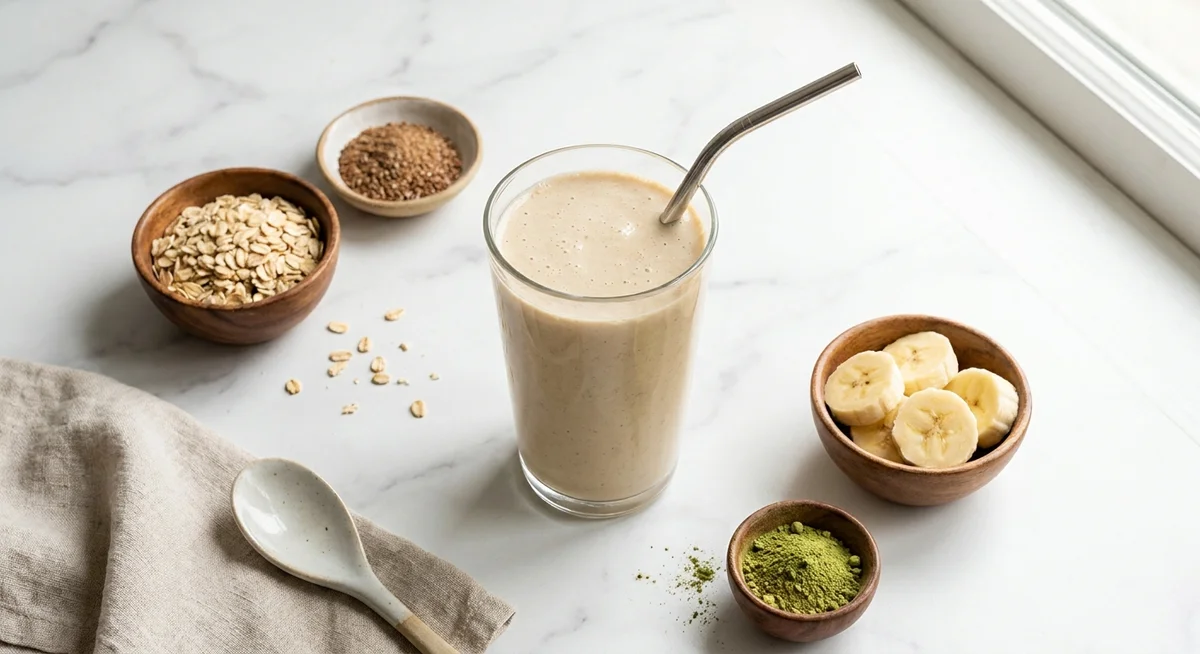
Protein powder can cause bloating, cramps, and an upset stomach, but the powder itself is rarely the whole problem. The culprit is usually a specific ingredient, a tolerance issue, or a dose that the gut simply is not ready for. Knowing what to look for lets you pick a protein that works for your body, not against it.
Key takeaways
- Lactose in whey concentrate is the most common trigger for digestive discomfort.
- Whey isolate and plant proteins are generally better tolerated by sensitive stomachs.
- Artificial sweeteners, particularly sugar alcohols, cause bloating in many people.
- Starting with a half-serve and building up slowly reduces most early gut reactions.
- Clean-label powders with short ingredient lists give you fewer variables to troubleshoot.
Why does protein powder upset some people's stomachs?
Digestive discomfort after a protein shake usually comes from one of three places: a dairy intolerance triggered by lactose in the powder, a sensitivity to specific additives, or simply adding too much protein too quickly to a gut that is not producing enough digestive enzymes to keep up. Understanding which category applies to you cuts the troubleshooting time significantly.
Lactose and dairy sensitivity
Whey protein is derived from milk. Whey concentrate retains more of the natural dairy components, including lactose, the sugar that many adults cannot digest efficiently. If you notice bloating or cramping within an hour of a shake, lactose is usually the first thing to rule out. Switching to whey isolate, which is filtered to remove most of the lactose, often resolves the issue without abandoning whey entirely.
Artificial sweeteners and sugar alcohols
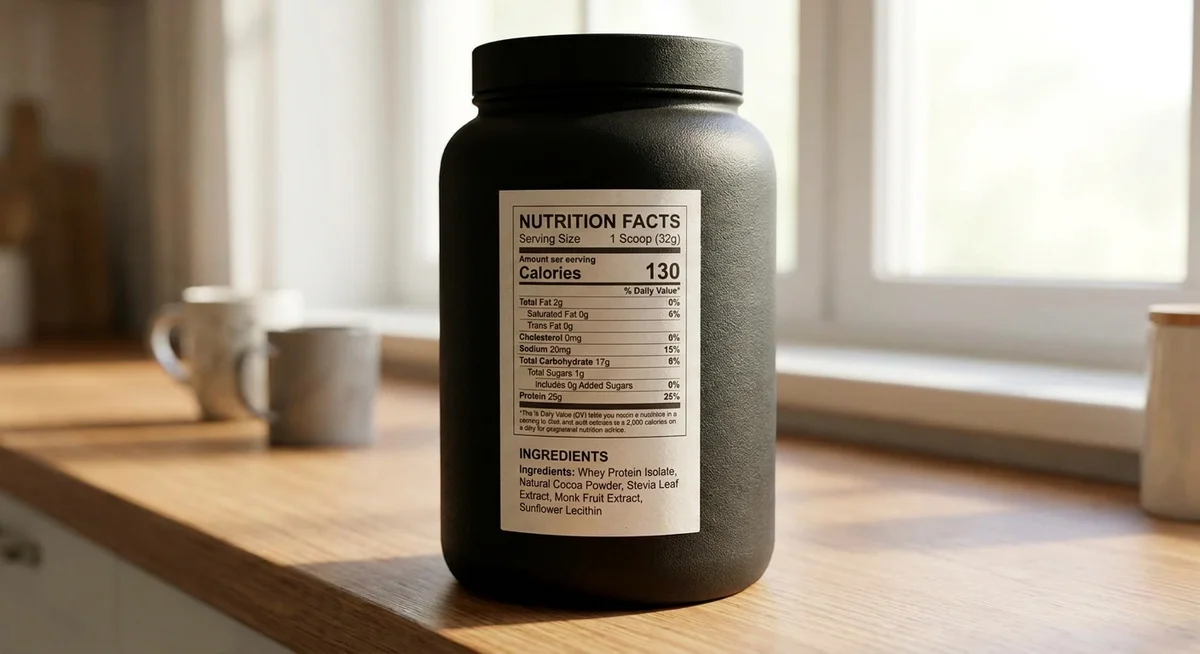
Many protein powders use sweeteners like sucralose, acesulfame potassium, sorbitol, or xylitol to hit a low-calorie, good-taste target. Sugar alcohols (sorbitol, xylitol, maltitol) are partially fermented by gut bacteria rather than absorbed, and that fermentation produces gas. If your shake leaves you gassy but not cramping, the sweetener is likely the issue. Checking the ingredient list for any ingredient ending in "-ol" is a fast way to confirm.
Protein load and enzyme capacity
Your body produces digestive enzymes to break down protein, but there is a ceiling. A 50g serve of protein in a single sitting is a lot to process, especially if your usual diet is not protein-heavy. Starting with 15-20g and increasing gradually over two to three weeks lets your digestive system adapt without the discomfort.
Which protein type is easiest on the gut?
The answer depends on your specific sensitivities, but the patterns below hold for most people.
| Protein Type | Lactose? | Gut Tolerance (general) | Best For |
|---|---|---|---|
| Whey Concentrate | Yes (moderate) | Low-moderate for lactose-sensitive individuals | People with no dairy issues |
| Whey Isolate | Trace only | Moderate-high | Mild lactose sensitivity |
| Pea Protein | None | High for most, some gas initially | Dairy-free, plant-based diets |
| Rice Protein | None | Very high, hypoallergenic | Multiple food sensitivities |
| Blended Plant Protein | None | High, with better amino acid profile than single-source | Plant-based athletes |
| Casein | Yes (low-moderate) | Low-moderate for lactose-sensitive individuals | Slow digestion, nighttime use |
For a deeper look at how plant and whey proteins compare beyond gut tolerance, see plant protein vs whey: which is better.
What ingredients should you avoid for better gut health?
Beyond the protein source itself, the additive list on a protein powder often carries more risk for the gut than the protein does. Here is what to watch for.
Ingredients to avoid
- Sugar alcohols: sorbitol, xylitol, maltitol, erythritol (gas and bloating)
- Inulin and chicory root (high-fermentation prebiotics that cause gas in sensitive guts)
- Guar gum in large amounts (thickener that slows digestion)
- Artificial colours and preservatives (gut microbiome disruption, though evidence is still emerging)
- High-dose magnesium oxide (a laxative in large amounts)
Ingredients that support tolerance
- Digestive enzymes: protease, lactase, bromelain (help break down protein and dairy)
- Probiotics: Lactobacillus or Bifidobacterium strains in clinically studied doses
- Short, readable ingredient lists (fewer variables to react to)
- Natural flavours from real food sources
- Stevia or monk fruit as sweetener alternatives to sugar alcohols
Practical tips to improve your tolerance
Even a protein powder that suits your gut can cause discomfort if you use it the wrong way. These habits make a real difference.
- Mix with water first, not milk. Adding cow's milk to a whey concentrate doubles the lactose load. Oat milk or water is a safer starting point.
- Do not take protein on a completely empty stomach. A small amount of food slows gastric emptying and gives enzymes more time to work.
- Space your protein across the day. Three 25g serves spread through the day are easier on the gut than one 75g post-workout shake. This also lines up with daily protein targets most people are actually aiming for.
- Stay hydrated. High protein intake without adequate water can slow digestion and cause constipation.
- Give it three to four weeks. Some initial bloating when you add any new protein source is normal as gut bacteria adjust. Persistent symptoms after a month are the real signal to change products.
Frequently asked questions
Can protein powder cause long-term gut damage?
For most healthy adults, no. High protein intake does shift gut bacteria composition, but the effects are reversible and vary by protein source. Plant proteins tend to feed a more diverse microbiome than animal proteins. If you have an existing gut condition like IBS or Crohn's disease, check with your doctor before adding a protein supplement, as individual responses differ significantly.
Is vanilla protein powder gentler than chocolate?
The flavour itself is not the variable. What matters is the sweetener used and the protein source. A natural vanilla protein powder made with whey isolate and stevia will typically cause less digestive discomfort than a chocolate powder sweetened with sorbitol and made from concentrate. Always read the full ingredient list, not just the flavour name.
Why does my stomach hurt after protein shakes but not after eating chicken?
Whole foods like chicken come packaged with connective tissue, fat, and other compounds that slow digestion and spread the protein absorption load over several hours. A protein shake delivers a concentrated dose very quickly, which can overwhelm digestive enzyme capacity. Eating your shake with food, or choosing a slower-digesting protein like casein, can close the gap.
How do I know if I am lactose intolerant versus just sensitive to whey?
Try a high-quality whey isolate (very low lactose) for two weeks. If symptoms resolve, lactose was the problem. If you still react to whey isolate, it is likely a sensitivity to whey protein itself, in which case a plant-based protein is the practical solution. A registered dietitian can also run a formal lactose tolerance test if you want a definitive answer.
Find a protein powder that agrees with your gutSee our natural vanilla protein powder, made with a short ingredient list and no sugar alcohols.