Protein Powder for Home Workouts: How to Build Muscle Without a Gym
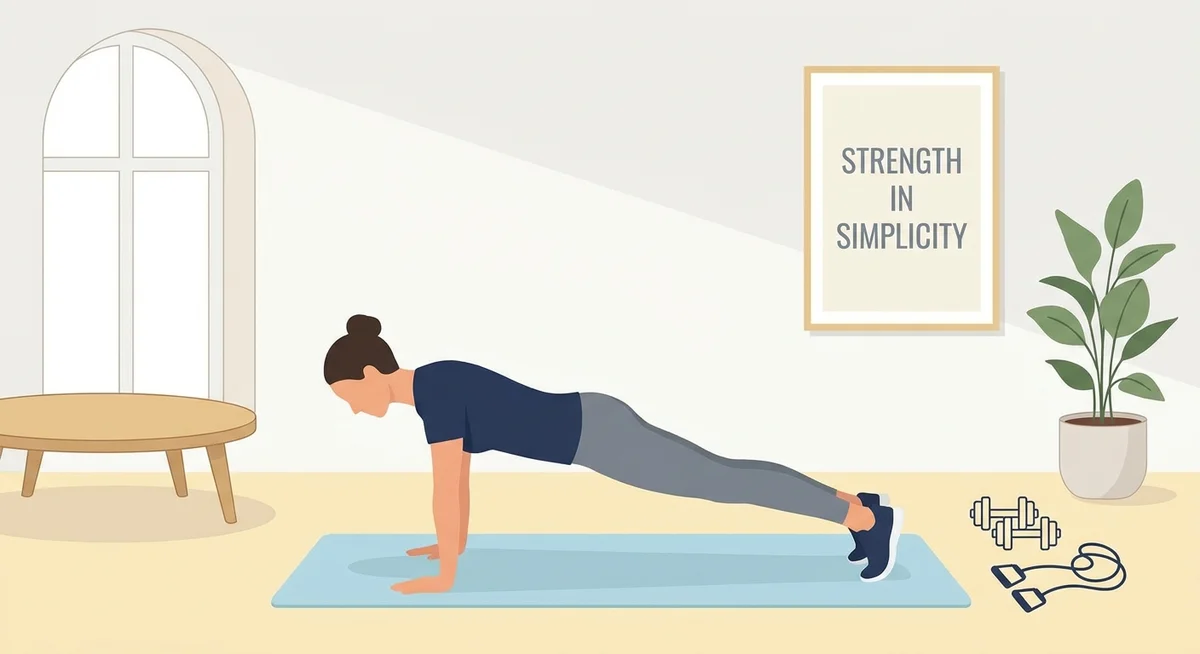
Home workouts work. Decades of research on bodyweight training, resistance bands, and light dumbbells show real, measurable muscle growth when volume and protein intake are high enough. The catch is that most people who train at home nail the program and miss the nutrition. Protein powder is one of the simplest ways to close that gap without overhauling your diet.
Key takeaways
- Home training produces the same muscle-building signal as gym training when volume (sets x reps) is matched.
- Most adults need 1.6 to 2.2 g of protein per kg of bodyweight per day to support muscle growth.
- Whey isolate works well post-workout; casein is a practical option before bed.
- A single daily shake is enough for most home trainers - more protein is not always better.
- Flavour and mixability matter more for home use because you're making shakes in your own kitchen, not at a gym bar.
Does training at home actually build muscle?
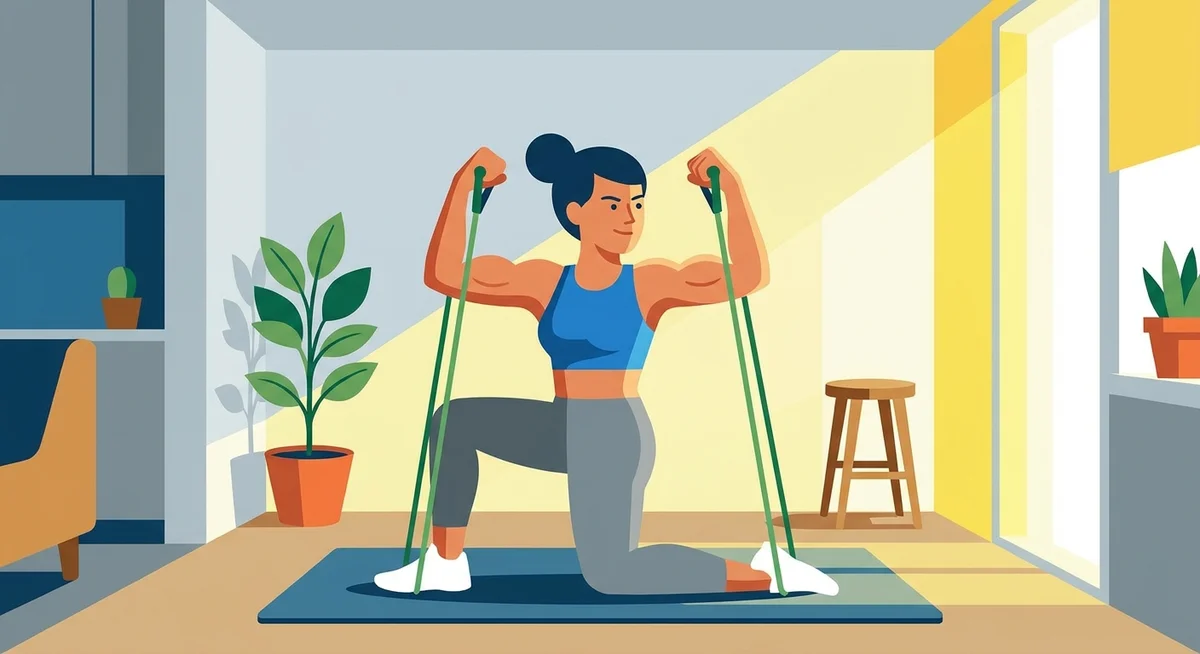
Yes, provided you push hard enough. Muscle grows in response to mechanical tension, not to the type of equipment creating it. A set of push-ups taken close to failure recruits the same chest and tricep motor units a bench press does. Studies comparing bodyweight-only programs to free-weight programs at matched volumes find similar hypertrophy outcomes over 8 to 12 weeks. The main practical difference is that home trainers often stop sets too early because there's no gym culture pushing them. Take most of your sets to within 2 to 3 reps of failure and the stimulus is there.
What that means for protein is simple: the same rules apply. Your muscles don't know you trained in your lounge room. They need the same amino acid supply to repair and grow. If your diet is already high in meat, fish, eggs, and dairy, you may not need a supplement at all. If you're falling short - which most active adults do - a protein powder fills the gap cleanly.
Which protein powder is best for home workouts?
The honest answer: the one you'll actually use consistently. That said, a few types suit the home-training context better than others.
| Type | Protein per serve | Best used | Home-training fit |
|---|---|---|---|
| Whey isolate | 25-28 g | Post-workout | Excellent - fast digesting, mixes easily with water |
| Whey concentrate | 22-25 g | Post-workout or any time | Good - slightly more lactose, lower cost |
| Casein | 24-27 g | Before bed | Good - slow release supports overnight recovery |
| Pea protein | 20-24 g | Any time | Good - plant-based, versatile in cooking and baking |
| Blended plant protein | 20-25 g | Any time | Excellent for vegans - complete amino acid profile |
For most home trainers doing bodyweight or light-resistance sessions, whey isolate is the practical first choice. It dissolves in a shaker or a glass of water in under 30 seconds, keeps calories modest, and delivers leucine (the amino acid most responsible for triggering muscle protein synthesis) fast. If you prefer to avoid dairy, a pea-rice blend gives you a comparable leucine hit with a complete amino acid profile.
How much protein do home trainers actually need?
The current evidence-based range for muscle growth is 1.6 to 2.2 g of protein per kilogram of bodyweight per day. For an 80 kg person that's 128 to 176 g. Here's what that looks like across a typical day:
- Breakfast: 3 scrambled eggs + Greek yoghurt = ~30 g
- Lunch: Chicken breast + salad = ~40 g
- Afternoon shake: One serve of protein powder = ~25 g
- Dinner: Salmon fillet + vegetables = ~35 g
- Total: ~130 g
That hits the low end of the range comfortably with just one shake per day. Most home trainers don't need two scoops per session or three shakes a day. Going well above 2.2 g per kg doesn't appear to produce extra muscle and just adds unnecessary calories. Keep it simple: one shake placed where your diet is weakest (often mid-afternoon or post-workout) is enough.
Practical tips for using protein powder at home
Training at home gives you something gym-goers don't always have: a full kitchen. That's an advantage. Beyond the standard shake, protein powder works in overnight oats, pancake batter, yoghurt bowls, and bliss balls. These formats make it easier to hit your daily target without feeling like you're forcing down another drink. Check the top-rated Australian protein powders for options with clean ingredient lists that work well in cooking without an artificial aftertaste.
What works well
- One shake per day placed around your workout window
- Casein stirred into yoghurt before bed
- Unflavoured pea protein blended into smoothies or soups
- Vanilla or chocolate whey in overnight oats
- Tracking intake for 2 to 3 weeks to find your baseline gap
What doesn't
- Relying on shakes instead of real food for most of your protein
- Buying a flavour you haven't sampled - taste fatigue is real
- Taking more than 2 serves per day unless a dietitian recommends it
- Ignoring calorie content if fat loss is also a goal
- Choosing a cheap powder with a poor amino acid profile to save money
If fat loss is part of your goal alongside muscle building, it helps to understand how protein powder supports weight loss - specifically, how it affects appetite and helps preserve lean mass in a calorie deficit.
Frequently asked questions
Can I build muscle doing only bodyweight exercises at home?
Yes. Push-ups, pull-ups, dips, squats, lunges, and planks cover all major muscle groups. The key is progressive overload: as exercises get easier, add reps, sets, slower tempos, or harder variations (archer push-ups, single-leg squats). Protein requirements are identical to those of gym-based strength training at the same volume.
When should I take my protein shake if I train at home?
Within 1 to 2 hours of your session is a practical target, but the total daily amount matters more than precise timing. If your session is first thing in the morning on an empty stomach, a shake straight after is a smart move. If you train after a big lunch, your afternoon meal timing matters less because you already have circulating amino acids.
Does protein powder help with soreness from bodyweight training?
Adequate protein intake reduces delayed-onset muscle soreness (DOMS) by supplying the raw material for muscle repair. A post-workout shake won't eliminate soreness entirely, especially in the early weeks of a new program, but consistent daily protein intake shortens recovery time compared to under-eating protein. Sleep and hydration matter equally here.
Is whey protein safe to use every day?
For healthy adults, yes. Whey is a dairy-derived food protein with an excellent safety record. Long-term daily use at one to two serves per day is not linked to kidney or liver problems in people with no pre-existing conditions. If you have any kidney concerns, check with your GP before increasing protein intake significantly from any source.
Find a clean protein powder that works in the kitchen and the shaker Read our full breakdown of what to look for before you buy.