Protein Powder for Hikers: How to Fuel Long Days on the Trail
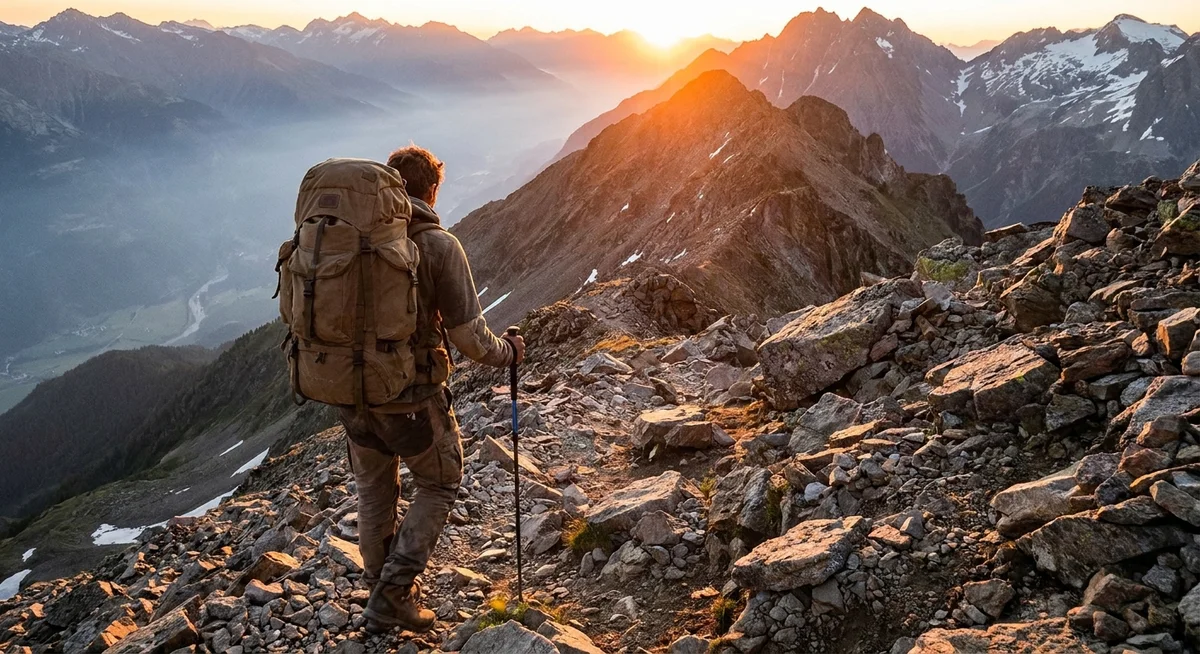
Hiking places far more demand on your body than most people realise. A full-day trail with elevation gain can burn 2,000 to 3,500 extra calories and put hours of eccentric load through your legs. Without enough protein in your kit, you lose muscle, slow your recovery, and arrive at the next day's trailhead already behind. Used strategically, protein powder is one of the lightest, most calorie-dense tools you can carry.
Key takeaways
- Long hikes with elevation can burn 600 to 900 calories per hour, making protein intake critical to prevent muscle breakdown.
- Aim for 1.6 to 2.2 g of protein per kilogram of bodyweight on heavy hiking days.
- Whey isolate dissolves quickly in cold water; plant-based blends work well for multi-day trips where dairy is impractical.
- Timing matters: consume protein within 45 minutes of finishing a long trail section to kickstart repair.
- Single-serve sachets cut pack weight versus carrying a full tub.
Why do hikers need more protein than they think?
Most hikers focus on carbohydrates for trail energy and overlook protein entirely. That's a mistake. When you walk downhill for hours, your quads absorb large braking forces through eccentric contractions. This tears muscle fibre in the same way a hard leg session at the gym does. Without adequate protein, those fibres don't repair properly before your next day on the trail. Studies on endurance athletes consistently show that protein intakes above 1.6 g per kilogram of bodyweight per day reduce muscle soreness and support faster tissue repair after prolonged exercise.
Weight also matters. Every gram you carry has to earn its place. Protein powder offers roughly 20 to 25 g of protein per 30 g serving. No other portable food comes close to that protein density for its weight.
Which type of protein powder works best for hiking?
The right choice depends on the length of your trip and how you plan to carry it.
| Protein Type | Best For | Pros | Cons |
|---|---|---|---|
| Whey Isolate | Day hikes and overnight trips | Fast absorbing, high leucine, mixes cleanly in cold water | Contains dairy, shorter shelf life once open |
| Casein | Before sleep on multi-day hikes | Slow release sustains overnight repair | Thick texture, harder to mix at camp |
| Pea + Rice Blend | Multi-day trips in warm climates | Dairy-free, stable in heat, complete amino profile | Earthier taste, slightly lower leucine |
| Egg White | Hikers avoiding dairy and soy | High biological value, neutral taste | More expensive per serve |
For most hikers, a whey isolate is the practical default: it dissolves in cold water within a few shakes, digests quickly, and delivers the leucine needed to trigger muscle protein synthesis. If you're out for more than two nights or hiking in summer heat, a pea-and-rice blend is more stable and just as effective when you hit the protein targets above.
How to time protein on the trail
Timing doesn't need to be obsessive, but three windows matter on hiking days.
Before you leave camp: Include protein in breakfast to slow the muscle breakdown that starts during fasted morning hiking. A scoop stirred into oats or porridge adds 20 to 25 g without extra pack weight.
Mid-trail (4+ hour days): After four hours of continuous effort, supplement your trail snacks with a small serving of protein. A single-serve sachet mixed in your water bottle at a rest stop keeps muscle protein synthesis ticking. You don't need a full shake; even 15 g helps.
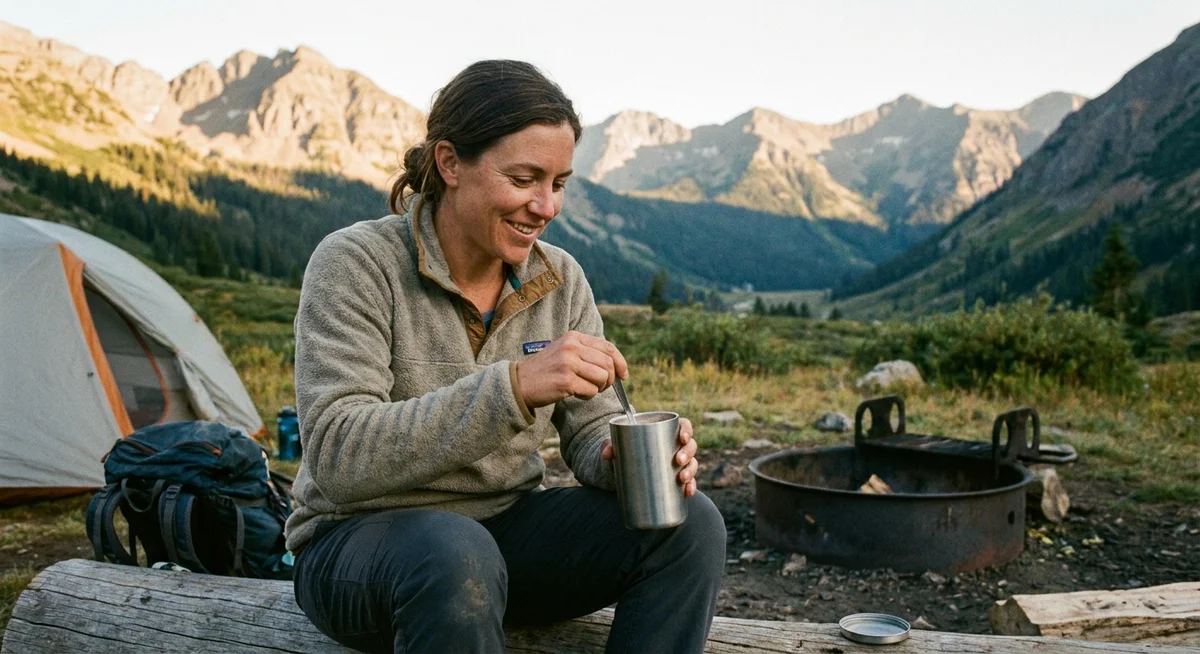
Within 45 minutes of finishing: This is the most important window. Your muscles are primed to absorb amino acids quickly. Mix a full serve (20 to 30 g) at camp or in the car park. This single habit makes a noticeable difference to how your legs feel the next morning.
What about protein on multi-day treks?
Multi-day hiking (think Overland Track, the Larapinta Trail, or a national park circuit) adds complexity. Your protein needs don't drop just because you're camping. If anything, consecutive days of heavy walking increase the cumulative demand for tissue repair.
For trips of three days or more, carry enough powder for at least two serves per day. Pea-and-rice blends tolerate heat better than whey and are lighter to carry in bulk. Pair your protein with calorie-dense foods like nut butter, cheese, or trail mix to make sure you're meeting total energy needs alongside your protein targets. Under-eating on calories forces the body to burn protein for fuel, which defeats the purpose entirely.
If you're planning a long multi-day trip, it's worth reading our guide on using protein powder as a meal replacement to understand where it fits alongside real food and where it falls short.
Practical tips for carrying protein powder on a hike
- Use a wide-mouth water bottle so you can shake the mix without a blender ball (or pack a small whisk ball).
- Choose unflavoured or lightly flavoured powders if you'll be mixing with other foods; overly sweet vanilla or chocolate can clash with savoury camp meals.
- Label your sachets by timing: "morning", "afternoon break", "camp" so there's no guesswork at the end of a long day.
- If weight is critical, calculate your exact serves and leave any excess at the car. Carrying a 1 kg tub to save money is false economy.
Understanding how much protein you actually need per day based on your bodyweight is the starting point. From there, your hiking-day targets will be clear, and you can plan pack quantities around that number rather than guessing.
Find the right protein powder for your goalsOur complete buying guide walks you through every type, every use case, and what to look for on the label.Frequently asked questions
Can I just eat regular food instead of protein powder on a hike?
Yes, whole food sources like jerky, canned fish, hard cheese, and legume-based meals all contribute protein. Powder is convenient and weight-efficient, not mandatory. The goal is hitting your daily target (1.6 to 2.2 g per kg of bodyweight). If real food gets you there within your pack weight budget, use it.
Will protein powder make me feel heavy or sluggish on the trail?
Not if you time it right. Avoid a large protein serving immediately before a steep ascent. A small mid-hike sachet during a rest stop is fine for most people. Save your bigger post-hike serve for when you've finished moving for the day.
Is plant-based protein as effective as whey for hiking recovery?
A quality pea-and-rice blend that delivers a complete amino acid profile performs comparably to whey for recovery when you hit the same total protein intake. The difference in leucine content is real but small enough that it rarely matters if daily protein targets are met. For hikers avoiding dairy, a plant blend is a fully practical option.
How much water do I need to mix protein powder properly on the trail?
Most powders mix well in 250 to 350 mL of water. Shake vigorously for 20 to 30 seconds. Cold water makes mixing slightly harder; carry a small whisk ball if clumping is an issue. Avoid mixing in flavoured electrolyte drinks unless you've tested the combination at home first, as some flavours clash badly.