Protein Powder and Caffeine: How to Combine Them Safely
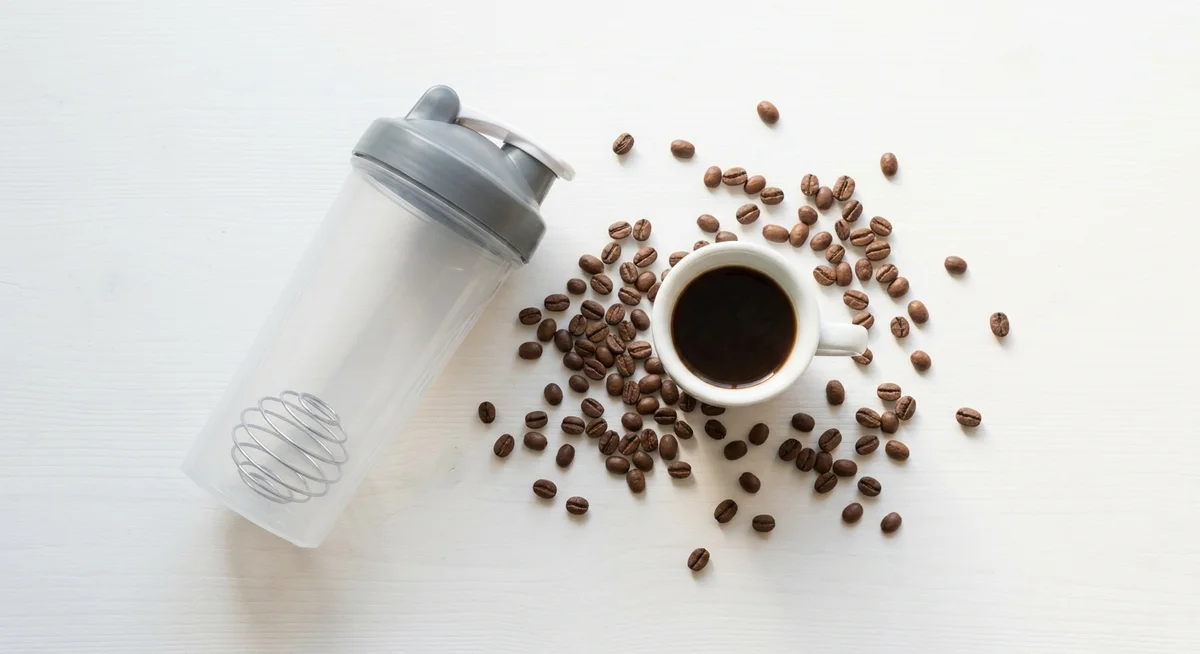
Protein powder and caffeine are two of the most widely used performance supplements in Australia, and most people use both. The question is whether combining them is smart, harmless, or quietly working against you. The short answer: it depends entirely on timing, total dose, and what your protein powder already contains.
Key takeaways
- Caffeine and protein powder can work well together when timed correctly, but pre-workout blends often hide large caffeine doses that add to your daily total.
- Consuming high caffeine within 6 hours of bed reduces sleep quality, which cuts protein synthesis overnight.
- Protein taken without caffeine before sleep (casein especially) supports recovery; caffeine at that time cancels the benefit.
- Most healthy adults tolerate up to 400mg caffeine per day, but pre-workout plus coffee plus caffeinated protein can push well past that.
- If you train in the evening, plain whey or casein with no added stimulants is the better choice.
Do protein powders actually contain caffeine?
Plain whey, casein, pea, and rice protein powders contain no caffeine. The issue is that many products marketed as "performance" or "pre-workout protein" blend the two together. A single scoop of some caffeinated protein blends carries 100 to 200mg of caffeine, roughly equivalent to two shots of espresso. If you are also drinking coffee or using a separate pre-workout, you can hit 500mg or more before midday without realising it.
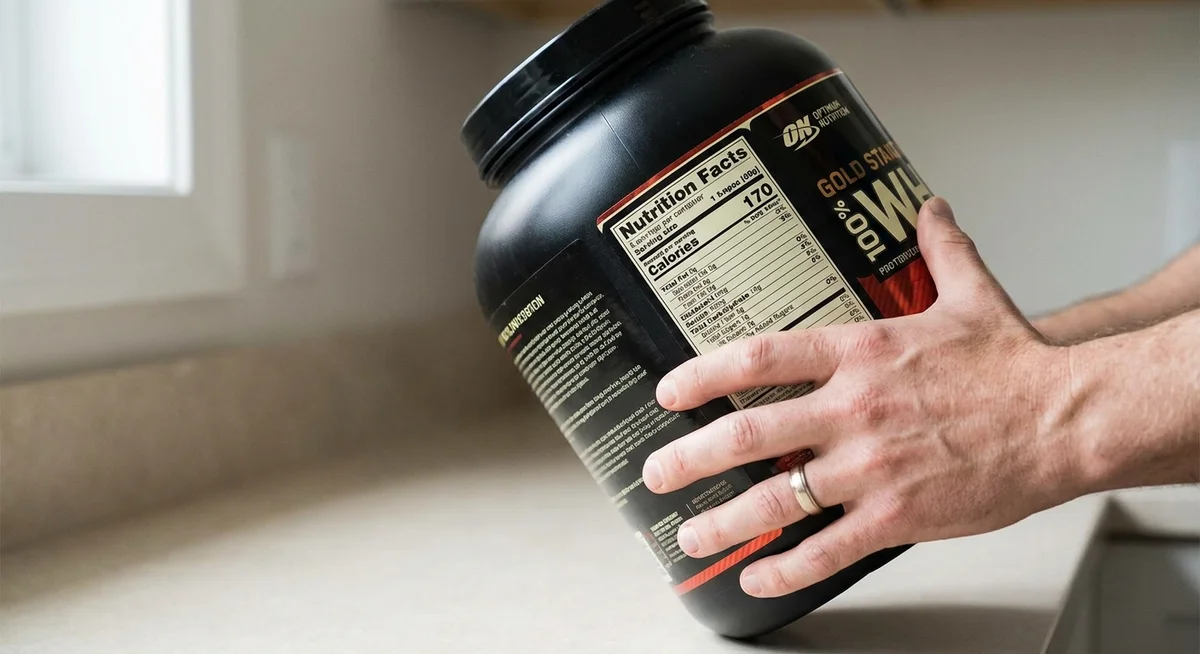
Always read the ingredient list. Caffeine appears as "caffeine anhydrous", "natural caffeine", or "green tea extract (standardised to X% caffeine)". If you see any of these, factor that dose into your total daily intake before reaching for your morning coffee.
Does caffeine affect how your body uses protein?
Caffeine does not block protein absorption. Once protein reaches your gut, digestion and amino acid uptake proceed normally regardless of whether you consumed caffeine alongside it. What caffeine does affect is the downstream context: mainly sleep.
This is the real risk of pairing caffeine with a post-evening-workout protein shake. The protein itself is fine. The caffeine attached to it, or consumed alongside it, chips away at the recovery window you are trying to protect.
How should you time protein and caffeine on a training day?
Caffeine peaks in the bloodstream 30 to 60 minutes after ingestion and has a half-life of around 5 to 6 hours in most adults. That means a 200mg dose at 3pm still has roughly 100mg active at 9pm. Plan your caffeine cut-off backwards from your intended bedtime, aiming to be under 50mg active in your system by the time you sleep.
| Training time | Caffeine strategy | Protein timing |
|---|---|---|
| Morning (6–9am) | Coffee or pre-workout before session is fine; no timing conflict | Whey or blend post-workout; casein before bed |
| Lunchtime (11am–1pm) | Caffeine before session; cut off by early afternoon | Whey post-workout; standard evening meal protein |
| Afternoon (3–5pm) | Keep caffeine dose low (under 100mg); avoid anything after 3pm if bedtime is 10pm | Whey post-workout; casein or plain whey before bed |
| Evening (6pm+) | Avoid caffeine entirely; use a stimulant-free pre-workout or skip it | Casein or whey isolate before bed; no caffeinated blends |
What about caffeinated pre-workouts taken with a protein shake?
This is the most common combination at gyms. A pre-workout before training, then a protein shake immediately after. As long as you are training in the morning or early afternoon, there is no meaningful problem. The protein in your post-workout shake arrives in your gut well after the caffeine has begun clearing your system.
The combination becomes problematic in two situations. First, if the pre-workout is taken late in the day (see the table above). Second, if the protein shake you are mixing is itself caffeinated, which doubles your dose in a short window and can cause jitteriness, elevated heart rate, or gut discomfort in people who are sensitive. If you use a high-stimulant pre-workout, choose a plain, unflavoured, or standard flavoured protein powder with no added caffeine.
Are there any benefits to taking caffeine with protein?
There is modest evidence that caffeine taken before resistance training increases training volume: more reps, more sets, marginally more total load. More training volume, over time, drives more muscle growth. In that indirect sense, caffeine supports the protein you consume by making the stimulus stronger. But this benefit is from caffeine before training, not mixed into the shake you drink afterwards.
When the combination works
- Morning or lunchtime training sessions
- Caffeine from a separate source before training, plain protein after
- Total daily caffeine kept under 400mg
- Bedtime is 6+ hours away from last caffeine dose
- You are not sensitive to stimulants
When it backfires
- Evening sessions with caffeinated pre-workouts or protein blends
- Stacking coffee plus pre-workout plus caffeinated protein
- Poor sleep quality already affecting recovery
- Gut sensitivity causing nausea or cramping at high doses
- Relying on caffeine to compensate for inadequate sleep
Which protein type works best if you want to avoid caffeine altogether?
The cleanest option is a plain, single-ingredient protein powder with no proprietary blends. Unflavoured whey isolate, vanilla whey, and casein powders from reputable brands carry no hidden stimulants. If you are comparing options, our guide to whey isolate vs concentrate covers the practical differences, and our protein powder buying guide helps match the right type to your training goal.
For evening use specifically, a slow-digesting protein with no additives is ideal. Our vanilla protein powder contains no caffeine and works well as a before-bed option for people who train in the afternoon or evening.
Frequently asked questions
Can I mix coffee directly into my protein shake?
Yes, and it tastes good with chocolate or vanilla protein. The caffeine from coffee and the protein from the powder do not interfere with each other chemically. The only consideration is timing: if you are drinking a coffee protein shake at 7pm, the caffeine will likely be active in your system until midnight or later, reducing sleep quality. Fine in the morning; poor idea in the evening.
Does caffeine increase how much protein I need?
Not directly. Caffeine is not catabolic (it does not break down muscle tissue on its own). However, if chronic caffeine use is disrupting your sleep, your recovery suffers and your body may struggle to make full use of your protein intake. The fix is better sleep habits, not more protein.
Are pre-workout proteins worth using?
They are convenient but come with trade-offs. You get protein and stimulants in one product, which means you cannot adjust one without the other. If your caffeine tolerance changes or you want to train later in the day, a combined product limits your flexibility. Keeping protein and caffeine as separate products gives you more control over both.
How do I know if my protein powder has caffeine in it?
Check the ingredient list, not just the front label. Marketing terms like "energising", "performance", "thermogenic", or "fat-burning" are strong signals. Look for caffeine anhydrous, green tea extract, guarana, or yerba mate in the ingredients. If none of those appear, the product is stimulant-free.
Try a clean vanilla protein with no added stimulantsA simple, unflavoured option that works any time of day, morning shake or before-bed recovery.