Protein Powder for Bulking: How to Gain Muscle Mass Without Piling On Fat
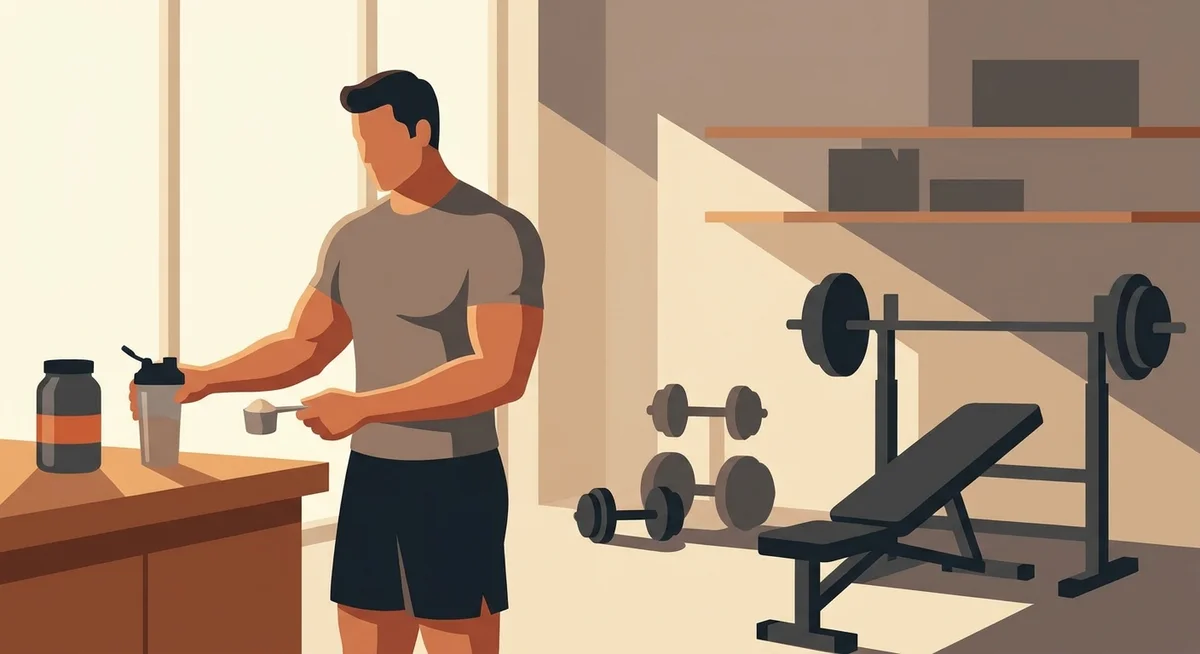
Protein powder for bulking works best when it fills a genuine gap in your diet, not when it replaces whole food. If you are trying to add muscle mass, your protein needs go up, your calorie targets go up, and the type of powder you choose starts to matter more. This guide covers what to eat, how much to take, and which products are worth your money when the goal is size.
Key takeaways
- Aim for 1.6 to 2.2 g of protein per kg of bodyweight per day when bulking.
- A calorie surplus of 200 to 300 kcal per day keeps fat gain minimal while allowing steady muscle growth.
- Whey concentrate is the most cost-effective option for most people; mass gainers suit those who genuinely struggle to eat enough.
- Spread protein across 3 to 5 meals or shakes, with at least 30 to 40 g per serving, to maximise muscle protein synthesis.
- Creatine taken alongside protein adds meaningful strength and mass gains for most people.
How much protein do you actually need when bulking?
The most reliable evidence puts optimal protein intake for muscle gain at 1.6 to 2.2 g per kg of bodyweight per day. A 80 kg male trying to add mass should be hitting 128 to 176 g of protein daily. Most people eating whole food fall short of that when they are also trying to add several hundred extra calories, which is where protein powder earns its place.
The ceiling matters too. Studies show that going above 2.2 g/kg produces no extra muscle. Extra protein just gets oxidised for energy or stored as fat like any other calorie surplus. If you are already eating plenty of meat, eggs, and dairy, an extra three scoops a day is probably overkill.
Which protein powder is best for gaining mass?
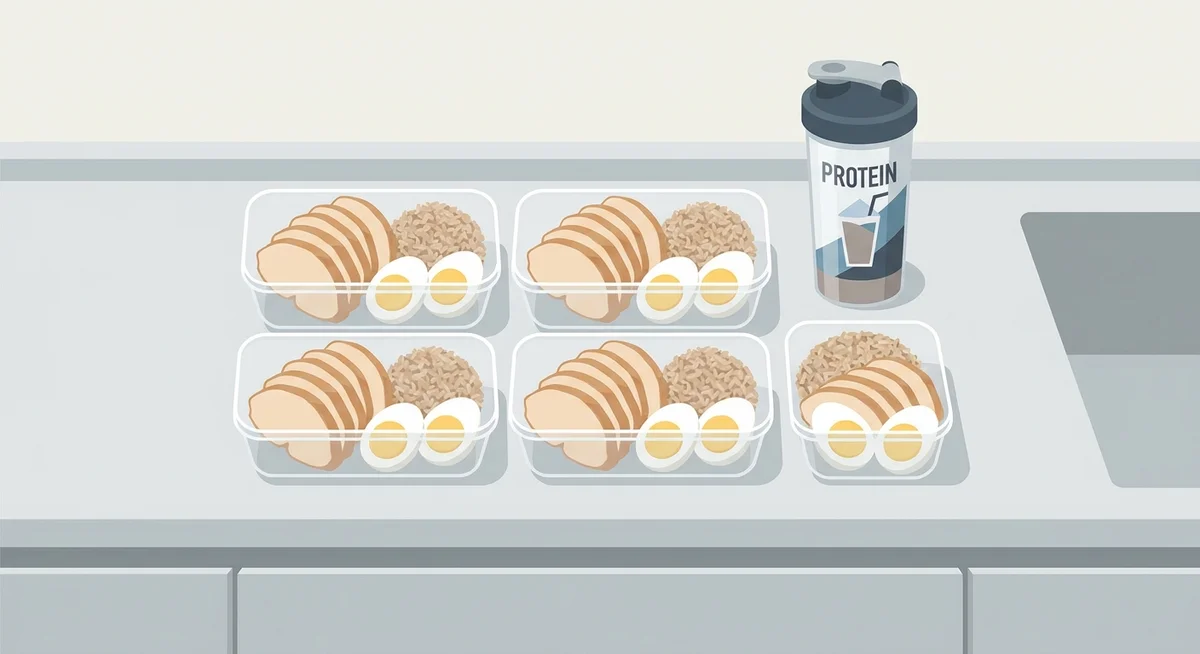
The honest answer is that the type matters less than the total protein and calorie intake. That said, different products suit different situations.
| Product Type | Protein per Serve | Calories per Serve | Best For |
|---|---|---|---|
| Whey Concentrate | 20–25 g | 120–150 kcal | Most people bulking on a budget |
| Whey Isolate | 25–28 g | 110–130 kcal | Lactose-sensitive bulkers who want low fat |
| Mass Gainer | 30–50 g | 500–1200 kcal | Hardgainers who genuinely cannot eat enough |
| Casein | 24–28 g | 120–140 kcal | Overnight protein coverage during a bulk |
| Pea / Rice Blend | 20–25 g | 120–140 kcal | Vegan bulkers needing complete amino acids |
For most people doing a standard bulk, whey concentrate is the straightforward choice. It is cheaper per gram of protein than isolate, digests quickly after training, and mixes easily into oats, smoothies, or milk to push calories up further. If you check out our guide to whey isolate vs concentrate, you will see the nutritional difference between the two is smaller than many supplement brands make it sound.
Are mass gainers worth it?
Mass gainers (sometimes called weight gainers) are protein powders bulked out with carbohydrates, usually maltodextrin, to deliver 500 to 1,200 calories per serve. They exist for one reason: some people burn so many calories, or find eating so difficult, that they cannot hit a calorie surplus through whole food alone.
Reasons to use a mass gainer
- You have a fast metabolism and consistently fall short of your calorie target
- Your appetite is low and drinking calories is easier than eating them
- You have a physically demanding job that burns through your food intake
- You are in a hard training block and cannot prep enough whole food
Reasons to skip a mass gainer
- You already gain fat easily - the extra carbs accelerate that
- The sugar content in cheap gainers causes gut discomfort for many people
- Whole food calories are cheaper and carry more micronutrients
- You could hit the same calories by adding oats, nut butter, or milk to a standard shake
When and how often should you take protein powder during a bulk?
Muscle protein synthesis responds best to evenly spaced protein doses across the day, not one giant hit. Research consistently shows that spreading your daily protein intake across 3 to 5 meals or shakes, with each serving delivering at least 30 to 40 g of protein, produces better results than front- or back-loading it.
A practical bulking schedule might look like this:
- Breakfast: Eggs, oats, and milk (30 g protein)
- Mid-morning: Greek yoghurt and nuts (20 g protein)
- Post-workout shake: Whey concentrate in milk (40 g protein)
- Dinner: Chicken thighs with rice and vegetables (45 g protein)
- Before bed: Casein shake or cottage cheese (30 g protein)
That structure delivers roughly 165 g of protein for an 80 kg person - right in the optimal range - without relying on protein powder for more than one or two of those windows. Our article on when to take protein powder for best results goes deeper on timing if you want to fine-tune your schedule.
What else should you add to your bulking stack?
Protein powder is the foundation, but two additions have genuinely strong evidence behind them for bulking specifically. Creatine monohydrate (3 to 5 g per day) increases strength output in the gym and drives extra water into muscle cells, which supports growth over time. It is one of the most studied supplements in sports nutrition and consistently shows meaningful results. The second is simply enough carbohydrates to fuel hard training - protein does not build muscle if your workouts are underpowered because you are under-fuelled on carbs.
Everything else - BCAAs, glutamine, testosterone boosters - has weak or inconsistent evidence for people eating adequate protein. Save the money for food or a better training programme.
Frequently asked questions
How many protein shakes per day should I have when bulking?
One or two shakes per day is enough for most people. More than that and you are replacing whole food, which carries vitamins, minerals, and fibre that shakes lack. Use shakes to cover the gaps - post-workout and before bed are the two most useful windows - and build the rest of your protein intake from meals.
Will protein powder make me fat during a bulk?
Protein powder itself does not cause fat gain. Eating more calories than you burn does. If you add two shakes per day without adjusting the rest of your diet, you may overshoot your calorie surplus and gain fat faster than planned. Keep your surplus at 200 to 300 kcal per day and track your weight weekly to stay on course. Check our guide to protein powder and body composition for how the same principles apply in reverse.
Can I build muscle without protein powder?
Yes. Protein powder is a convenience product, not a requirement. If you can hit 1.6 to 2.2 g per kg of bodyweight daily through whole food - meat, fish, eggs, dairy, legumes - you will build muscle at the same rate as someone using supplements. Powder simply makes it cheaper and faster to reach high protein targets when appetite or schedule makes whole food difficult.
How long before I see results from a bulk?
Natural muscle gain is slow. Expect 0.5 to 1 kg of lean mass per month under good training conditions - and that assumes consistent sleep, progressive overload in your sessions, and adequate protein every day. Visible changes in muscle size typically take 8 to 12 weeks of committed effort. Anyone promising faster results with a supplement is selling something.
Find the right protein powder for your bulkRead our detailed guide to vanilla protein powder - one of the most versatile options for mixing into high-calorie shakes and meals.